Lithium Battery Recycling and Disposal in South Africa
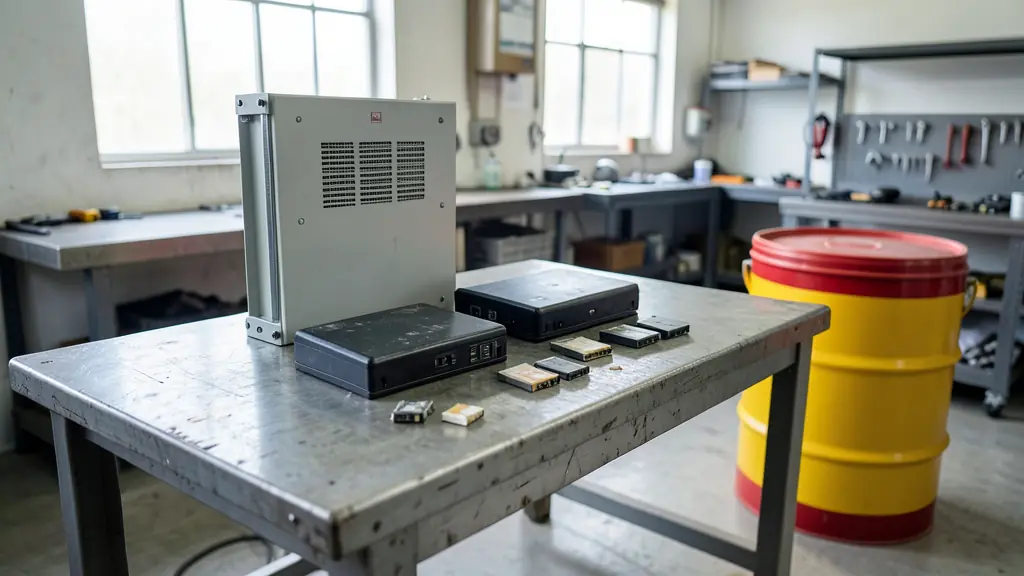
Lithium-ion batteries power everything from cellphones to home backup systems, and they need careful handling at the end of their life. Lithium battery recycling recovers metals such as lithium, cobalt, nickel and copper, and removes a real fire risk from homes and workplaces. Send us a quote request and we pass it to an independent recycler or e-waste collector near you who handles lithium batteries.
Lithium battery disposal and fire risk
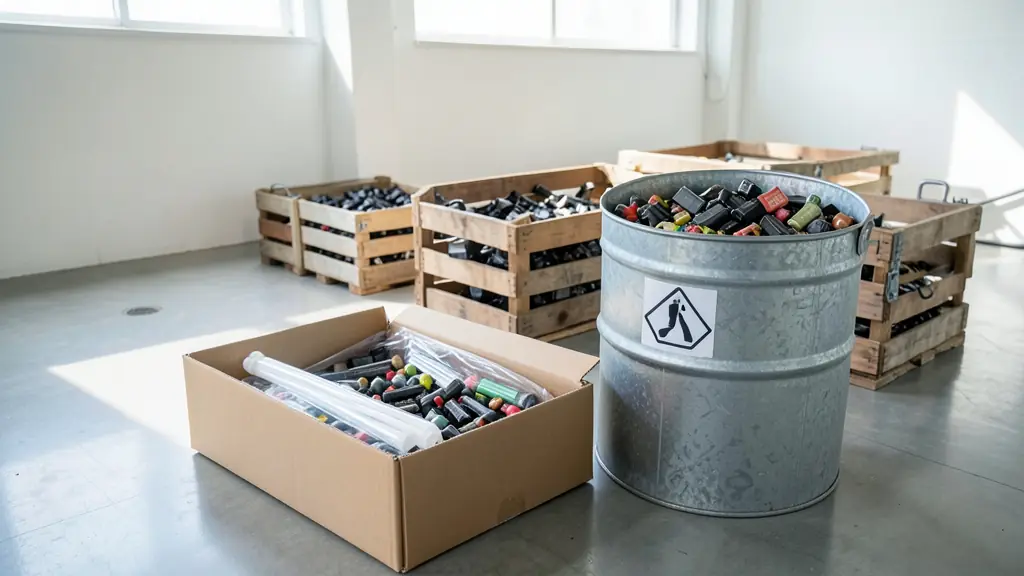
A damaged or short-circuited lithium battery can overheat and catch fire, which is why they cause fires in waste trucks and landfills. Safe lithium battery disposal starts before collection:
- Tape the terminals or place each battery in its own bag
- Store them in a cool, dry place away from flammable materials
- Keep swollen, dented or hot batteries separate, ideally in sand or a metal container, and tell the collector
- Never put lithium batteries in general waste or recycling bins
Solar, inverter and UPS battery disposal
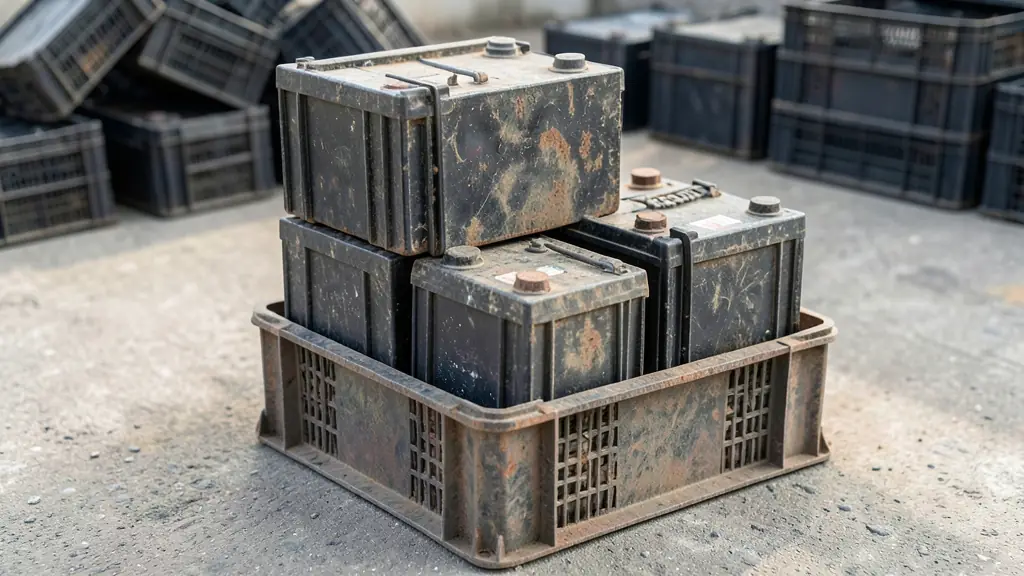
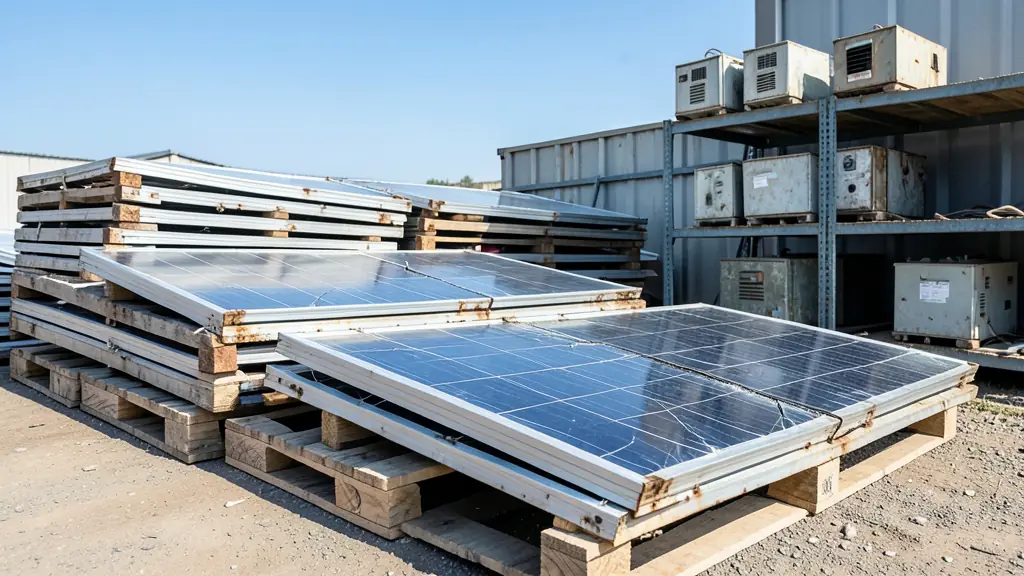
Load-shedding led many South African homes and businesses to install inverters with lithium iron phosphate batteries, and older systems with lead-acid batteries. As these reach the end of their life, solar and inverter battery disposal is becoming a common request. Large packs, UPS batteries, and EV and e-bike batteries are heavy and may need to be disconnected by a qualified person before collection.
Lithium battery recycling in South Africa: transport rules
Lithium batteries are classed as dangerous goods for transport, so collectors need suitable packaging, labelling and documentation, especially for damaged batteries. Batteries also fall under the broader Extended Producer Responsibility framework for electrical and electronic equipment under the Waste Act. When looking for lithium battery recycling in South Africa or lithium battery disposal near me, ask how the provider transports and where batteries are processed.
How to choose a recycler for lithium battery recycling
The lowest price is not always the best deal when it comes to e-waste. When you receive your quote, check:
- Compliance – ask whether the recycler is registered with a producer responsibility scheme, holds the waste licences its operations need, and can name ISO 14001 or similar certifications.
- Paperwork – make sure you will receive a certificate of recycling or safe disposal, and a certificate of data destruction listing serial numbers where data is involved.
- Downstream – find out where materials go after collection, and that nothing ends up in landfill or illegal export.
- Total cost or value – compare collection, handling and any rebate for items with value, not only the headline rate.
Our service matches your request with a recycler who serves your area, so you can check these points before you commit. It costs nothing and you are under no obligation to accept the quote.
Request a lithium battery recycling quote
To get an accurate quote quickly, include:
- The type of battery: inverter or solar pack, UPS, e-bike, EV, power tool or small devices
- Approximate number, size or weight, and whether packs are still installed
- Whether any batteries are swollen, damaged or have overheated
- Collection address and access details for heavy packs
Frequently asked questions
- Do you collect lithium batteries yourselves?
- No. We are a free quote service. Your request goes to an independent recycler or collector in your area, who quotes and arranges safe collection directly.
- What should I do with a swollen battery?
- Stop using it, do not charge it, and move it somewhere cool and away from anything flammable. Mention it in your request so the collector brings suitable packaging.
Lithium Battery Recycling by province
- Lithium Battery Recycling Gauteng
- Lithium Battery Recycling Western Cape
- Lithium Battery Recycling KwaZulu-Natal
- Lithium Battery Recycling Eastern Cape
- Lithium Battery Recycling Free State
- Lithium Battery Recycling Limpopo
- Lithium Battery Recycling Mpumalanga
- Lithium Battery Recycling North West
- Lithium Battery Recycling Northern Cape
Lithium Battery Recycling by city
- Lithium Battery Recycling in Johannesburg
- Lithium Battery Recycling in Pretoria
- Lithium Battery Recycling in Centurion
- Lithium Battery Recycling in Midrand
- Lithium Battery Recycling in Boksburg
- Lithium Battery Recycling in Kempton Park
- Lithium Battery Recycling in Germiston
- Lithium Battery Recycling in Benoni
- Lithium Battery Recycling in Krugersdorp
- Lithium Battery Recycling in Vereeniging
- Lithium Battery Recycling in Vanderbijlpark
- Lithium Battery Recycling in Cape Town
- Lithium Battery Recycling in George
- Lithium Battery Recycling in Durban
- Lithium Battery Recycling in Pinetown
- Lithium Battery Recycling in Pietermaritzburg
- Lithium Battery Recycling in Richards Bay
- Lithium Battery Recycling in Port Elizabeth (Gqeberha)
- Lithium Battery Recycling in East London
- Lithium Battery Recycling in Bloemfontein
- Lithium Battery Recycling in Welkom
- Lithium Battery Recycling in Polokwane
- Lithium Battery Recycling in Nelspruit (Mbombela)
- Lithium Battery Recycling in Witbank (eMalahleni)
- Lithium Battery Recycling in Middelburg
- Lithium Battery Recycling in Rustenburg
- Lithium Battery Recycling in Klerksdorp
- Lithium Battery Recycling in Potchefstroom
- Lithium Battery Recycling in Kimberley