Electronic Waste Disposal in South Africa
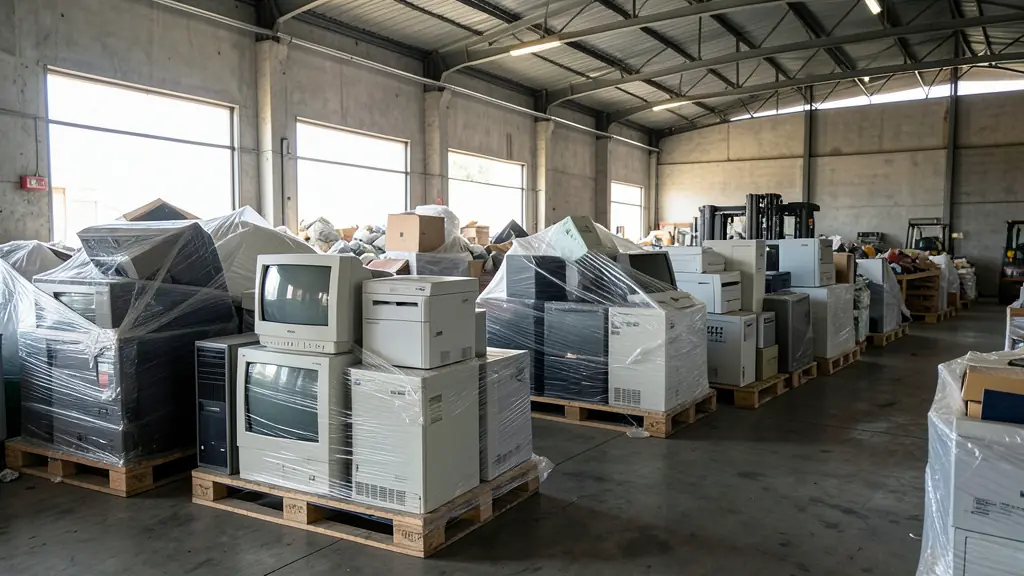
Electronic waste disposal has to be done properly. Old electronics contain lead, mercury, lithium batteries and other hazardous parts, and many devices still hold personal data. Throwing them in a skip or general waste bin can break the law and put information at risk. Send us one free request and we pass it to an independent e-waste disposal provider in your area, who quotes for safe, documented disposal.
Why disposal of electronic waste needs care
Several common items need specialised handling during the disposal of electronic waste:
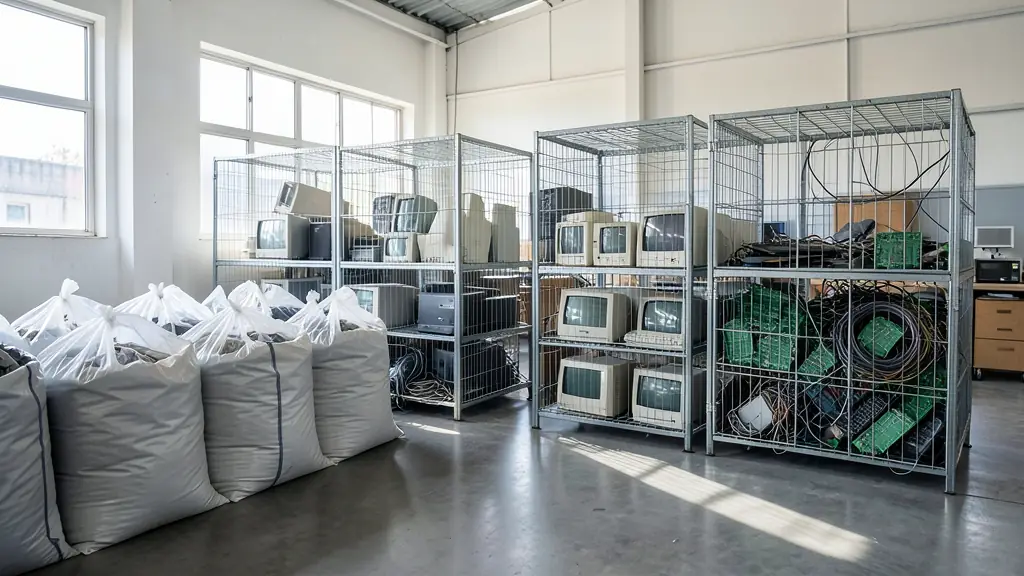
- CRT TVs and monitors, which have lead in the glass
- Fluorescent lamps and some older flat screens, which contain mercury
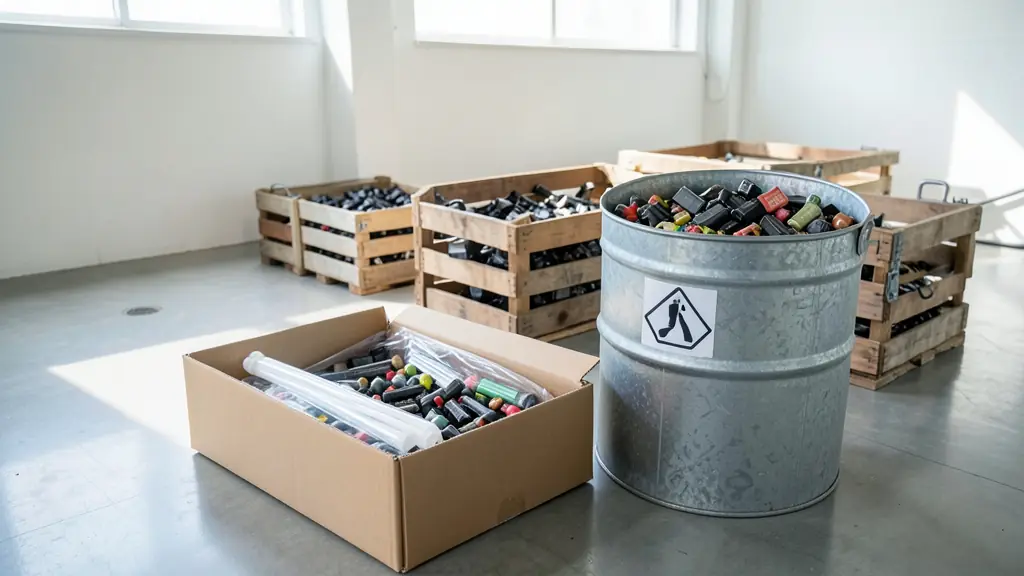
- Lithium batteries, which can catch fire if crushed or damaged
- Fridges and air conditioners, which contain refrigerant gases
A qualified provider separates these parts, sends them to licensed facilities and recycles what can be recovered.
Legal e-waste disposal and the landfill restrictions
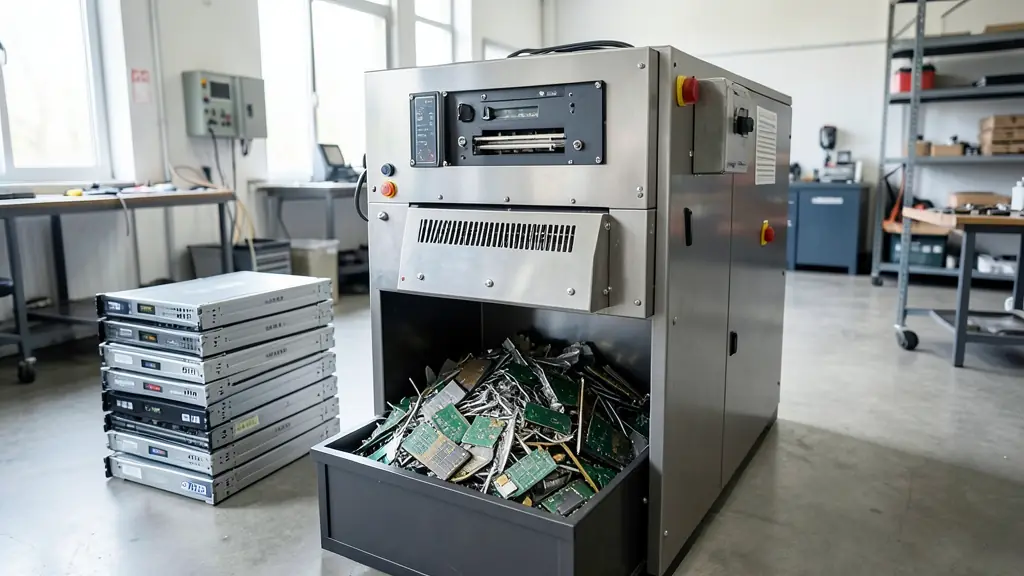
The National Environmental Management: Waste Act (59 of 2008) requires waste to be handled in a way that does not harm people or the environment. National norms and standards restrict e-waste going to landfill, and Extended Producer Responsibility (EPR) regulations under section 18 of the Act require producers of electrical and electronic equipment to take part in producer responsibility schemes. If devices hold personal information, POPIA means you must make sure it is destroyed. Ask for a safe disposal certificate or certificate of recycling, plus a certificate of data destruction where relevant.
Disposing e-waste: how to get a quote
Tell us what you need to dispose of, how much there is, whether any of it is damaged or hazardous, and where it is. We pass the request to an e-waste disposal provider in your province, who contacts you directly. There is no charge for our service and no obligation. Requests range from a household with a few broken appliances to businesses clearing a full storeroom.
How to choose a recycler for e-waste disposal
The lowest price is not always the best deal when it comes to e-waste. When you receive your quote, check:
- Compliance – ask whether the recycler is registered with a producer responsibility scheme, holds the waste licences its operations need, and can name ISO 14001 or similar certifications.
- Paperwork – make sure you will receive a certificate of recycling or safe disposal, and a certificate of data destruction listing serial numbers where data is involved.
- Downstream – find out where materials go after collection, and that nothing ends up in landfill or illegal export.
- Total cost or value – compare collection, handling and any rebate for items with value, not only the headline rate.
Our service matches your request with a recycler who serves your area, so you can check these points before you commit. It costs nothing and you are under no obligation to accept the quote.
Request a e-waste disposal quote
To get an accurate quote quickly, include:
- A list of items, noting anything damaged, leaking or swollen
- Whether there are CRT screens, lamps, batteries or fridges in the load
- Whether any devices hold data that must be destroyed
- The certificates you need after disposal
Frequently asked questions
- Can I put old electronics in my normal rubbish bin?
- It is best not to. National norms and standards restrict e-waste going to landfill, and items such as batteries and CRT screens are hazardous. Use a recycler or a dedicated drop-off point instead.
- What paperwork should I get after disposal?
- Ask for a certificate of recycling or safe disposal listing what was collected. If devices held data, ask for a certificate of data destruction as well.
E-Waste Disposal by province
- E-Waste Disposal Gauteng
- E-Waste Disposal Western Cape
- E-Waste Disposal KwaZulu-Natal
- E-Waste Disposal Eastern Cape
- E-Waste Disposal Free State
- E-Waste Disposal Limpopo
- E-Waste Disposal Mpumalanga
- E-Waste Disposal North West
- E-Waste Disposal Northern Cape
E-Waste Disposal by city
- E-Waste Disposal in Johannesburg
- E-Waste Disposal in Pretoria
- E-Waste Disposal in Centurion
- E-Waste Disposal in Midrand
- E-Waste Disposal in Boksburg
- E-Waste Disposal in Kempton Park
- E-Waste Disposal in Germiston
- E-Waste Disposal in Benoni
- E-Waste Disposal in Krugersdorp
- E-Waste Disposal in Vereeniging
- E-Waste Disposal in Vanderbijlpark
- E-Waste Disposal in Cape Town
- E-Waste Disposal in George
- E-Waste Disposal in Durban
- E-Waste Disposal in Pinetown
- E-Waste Disposal in Pietermaritzburg
- E-Waste Disposal in Richards Bay
- E-Waste Disposal in Port Elizabeth (Gqeberha)
- E-Waste Disposal in East London
- E-Waste Disposal in Bloemfontein
- E-Waste Disposal in Welkom
- E-Waste Disposal in Polokwane
- E-Waste Disposal in Nelspruit (Mbombela)
- E-Waste Disposal in Witbank (eMalahleni)
- E-Waste Disposal in Middelburg
- E-Waste Disposal in Rustenburg
- E-Waste Disposal in Klerksdorp
- E-Waste Disposal in Potchefstroom
- E-Waste Disposal in Kimberley