Hazardous E-Waste and Hazardous Waste Disposal
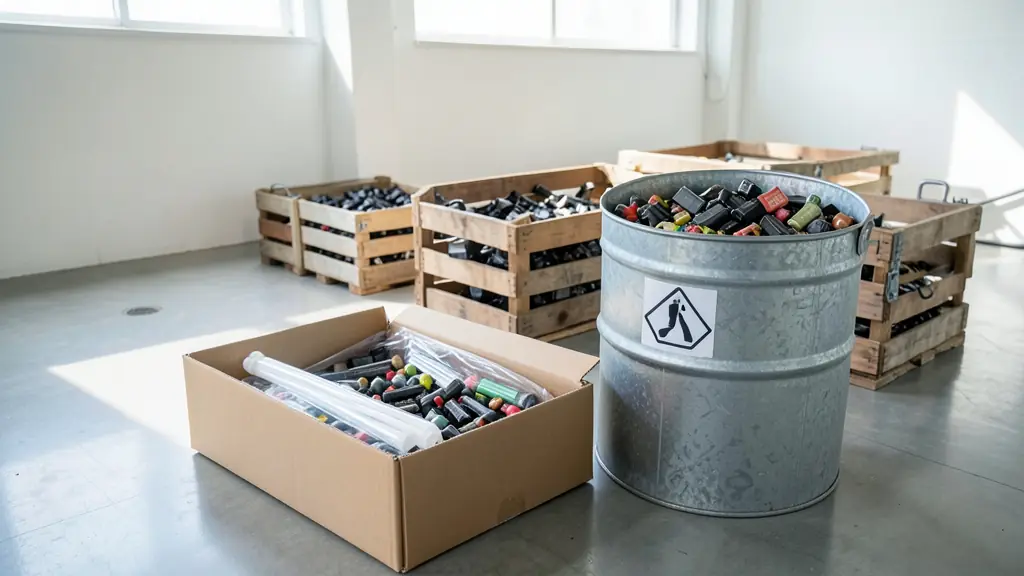
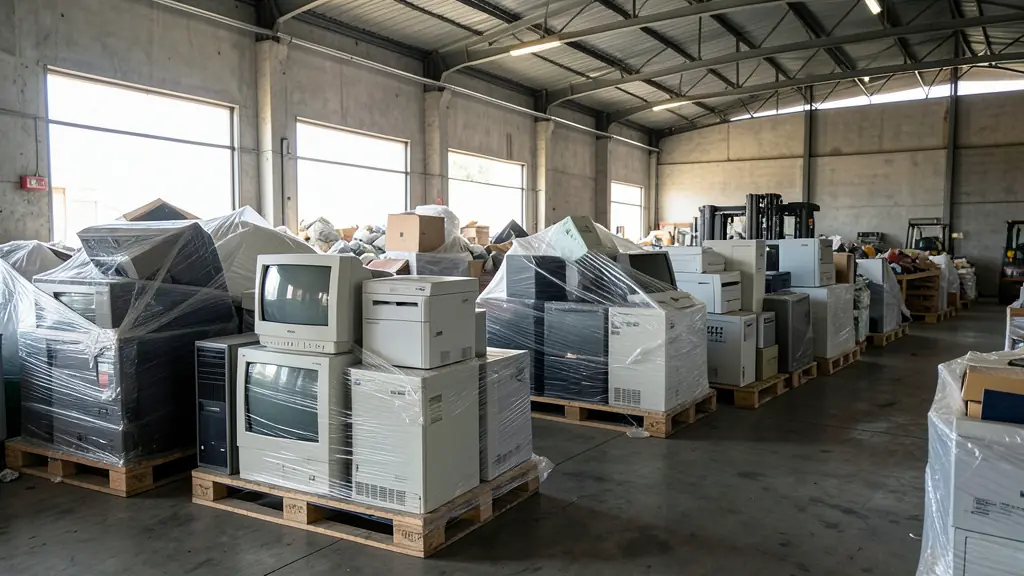
Some parts of the e-waste stream are hazardous and need more than ordinary recycling. Send one request for hazardous waste disposal and an independent recycler or licensed handler in your area will quote to collect fluorescent tubes, batteries, CRT glass, toner, capacitors and other hazardous electronic waste, with the paperwork to prove it was handled properly.
Hazardous e-waste we can get quotes for
- Fluorescent tubes and CFL lamps, which contain mercury
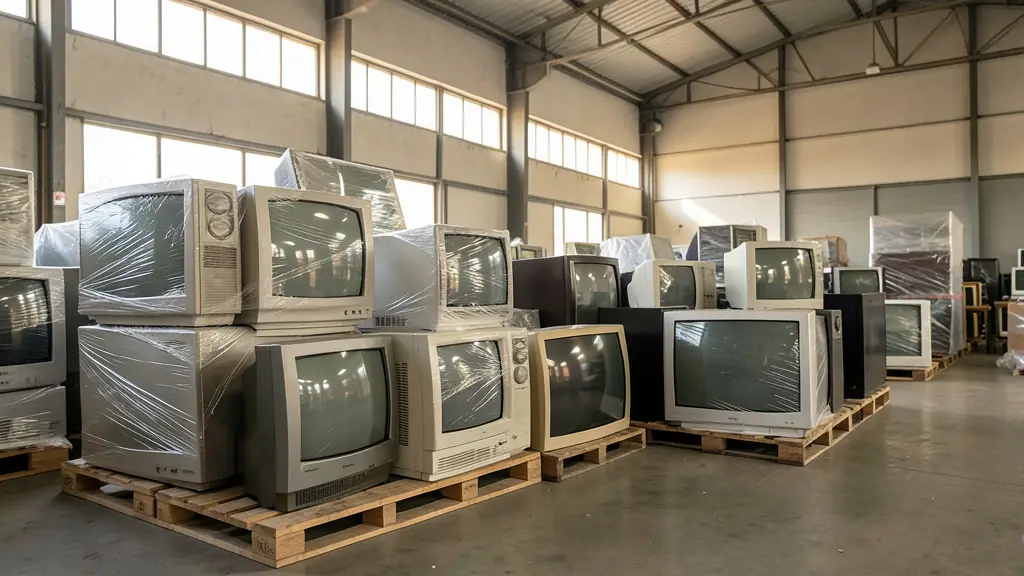
- CRT glass from old TVs and monitors, which contains lead
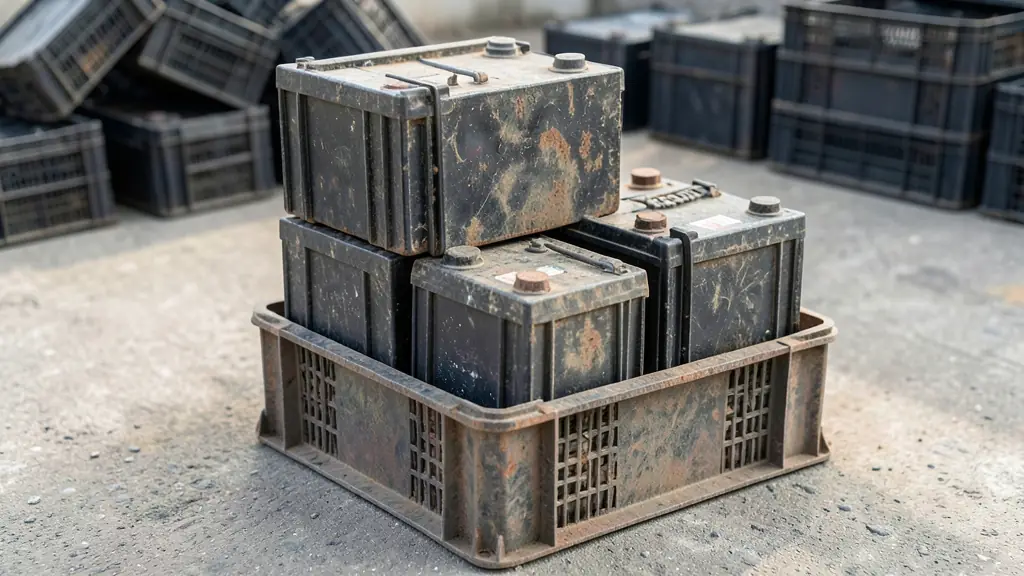
- Batteries of all types, including lithium and lead-acid
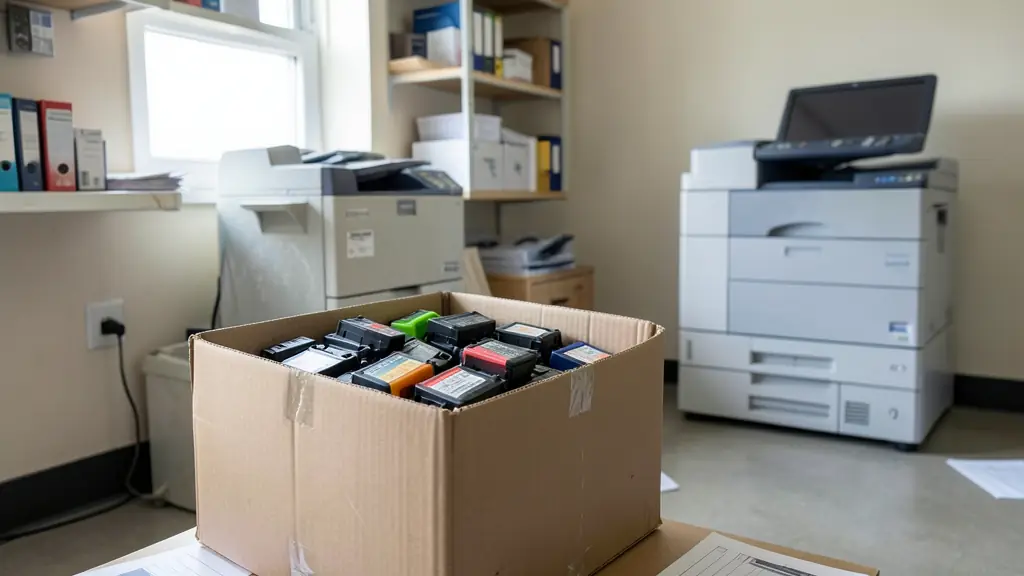
- Toner and ink cartridges
- Capacitors, and old transformers or capacitors that may contain PCBs
- Refrigerant gas in fridges and air conditioners
Hazardous waste is restricted from landfill and must be stored, transported and treated by people and facilities licensed for it.
Waste manifests and a hazardous waste disposal certificate
Under the National Environmental Management: Waste Act (59 of 2008), the business that generates hazardous waste remains responsible for it until it is safely treated or disposed of. That is why a hazardous waste disposal certificate matters. Ask the collector for a waste manifest or tracking document for each load, confirmation that the transporter and receiving facility are licensed, and a safe disposal or recycling certificate at the end. Keep these for audits and ISO 14001 records.
Hazardous waste disposal near me
Whether you search for hazardous waste disposal near me in Johannesburg, Cape Town, Durban or a smaller town, a local handler saves on transport. Describe the items, quantities and how they are packed. Store tubes intact in their original boxes or a tube container, keep batteries dry with terminals taped, and do not open old capacitors and transformers. If you suspect PCBs in old electrical equipment, say so, as it needs specialist handling.
How to choose a recycler for hazardous e-waste disposal
The lowest price is not always the best deal when it comes to e-waste. When you receive your quote, check:
- Compliance – ask whether the recycler is registered with a producer responsibility scheme, holds the waste licences its operations need, and can name ISO 14001 or similar certifications.
- Paperwork – make sure you will receive a certificate of recycling or safe disposal, and a certificate of data destruction listing serial numbers where data is involved.
- Downstream – find out where materials go after collection, and that nothing ends up in landfill or illegal export.
- Total cost or value – compare collection, handling and any rebate for items with value, not only the headline rate.
Our service matches your request with a recycler who serves your area, so you can check these points before you commit. It costs nothing and you are under no obligation to accept the quote.
Request a hazardous e-waste disposal quote
To get an accurate quote quickly, include:
- Types and approximate quantities of each hazardous item
- How items are packed and whether any are broken
- Any old transformers or capacitors that may contain PCBs
- Whether you need waste manifests and safe disposal certificates
Frequently asked questions
- Do I really need a disposal certificate?
- It is strongly recommended. The certificate and waste manifest show that your hazardous waste went to a licensed facility, which protects you in audits and if questions arise later.
- Can I throw fluorescent tubes in the general bin?
- No. They contain mercury and should go to a collector or drop-off point that handles hazardous lamps.
Hazardous E-Waste Disposal by province
- Hazardous E-Waste Disposal Gauteng
- Hazardous E-Waste Disposal Western Cape
- Hazardous E-Waste Disposal KwaZulu-Natal
- Hazardous E-Waste Disposal Eastern Cape
- Hazardous E-Waste Disposal Free State
- Hazardous E-Waste Disposal Limpopo
- Hazardous E-Waste Disposal Mpumalanga
- Hazardous E-Waste Disposal North West
- Hazardous E-Waste Disposal Northern Cape
Hazardous E-Waste Disposal by city
- Hazardous E-Waste Disposal in Johannesburg
- Hazardous E-Waste Disposal in Pretoria
- Hazardous E-Waste Disposal in Centurion
- Hazardous E-Waste Disposal in Midrand
- Hazardous E-Waste Disposal in Boksburg
- Hazardous E-Waste Disposal in Kempton Park
- Hazardous E-Waste Disposal in Germiston
- Hazardous E-Waste Disposal in Benoni
- Hazardous E-Waste Disposal in Krugersdorp
- Hazardous E-Waste Disposal in Vereeniging
- Hazardous E-Waste Disposal in Vanderbijlpark
- Hazardous E-Waste Disposal in Cape Town
- Hazardous E-Waste Disposal in George
- Hazardous E-Waste Disposal in Durban
- Hazardous E-Waste Disposal in Pinetown
- Hazardous E-Waste Disposal in Pietermaritzburg
- Hazardous E-Waste Disposal in Richards Bay
- Hazardous E-Waste Disposal in Port Elizabeth (Gqeberha)
- Hazardous E-Waste Disposal in East London
- Hazardous E-Waste Disposal in Bloemfontein
- Hazardous E-Waste Disposal in Welkom
- Hazardous E-Waste Disposal in Polokwane
- Hazardous E-Waste Disposal in Nelspruit (Mbombela)
- Hazardous E-Waste Disposal in Witbank (eMalahleni)
- Hazardous E-Waste Disposal in Middelburg
- Hazardous E-Waste Disposal in Rustenburg
- Hazardous E-Waste Disposal in Klerksdorp
- Hazardous E-Waste Disposal in Potchefstroom
- Hazardous E-Waste Disposal in Kimberley