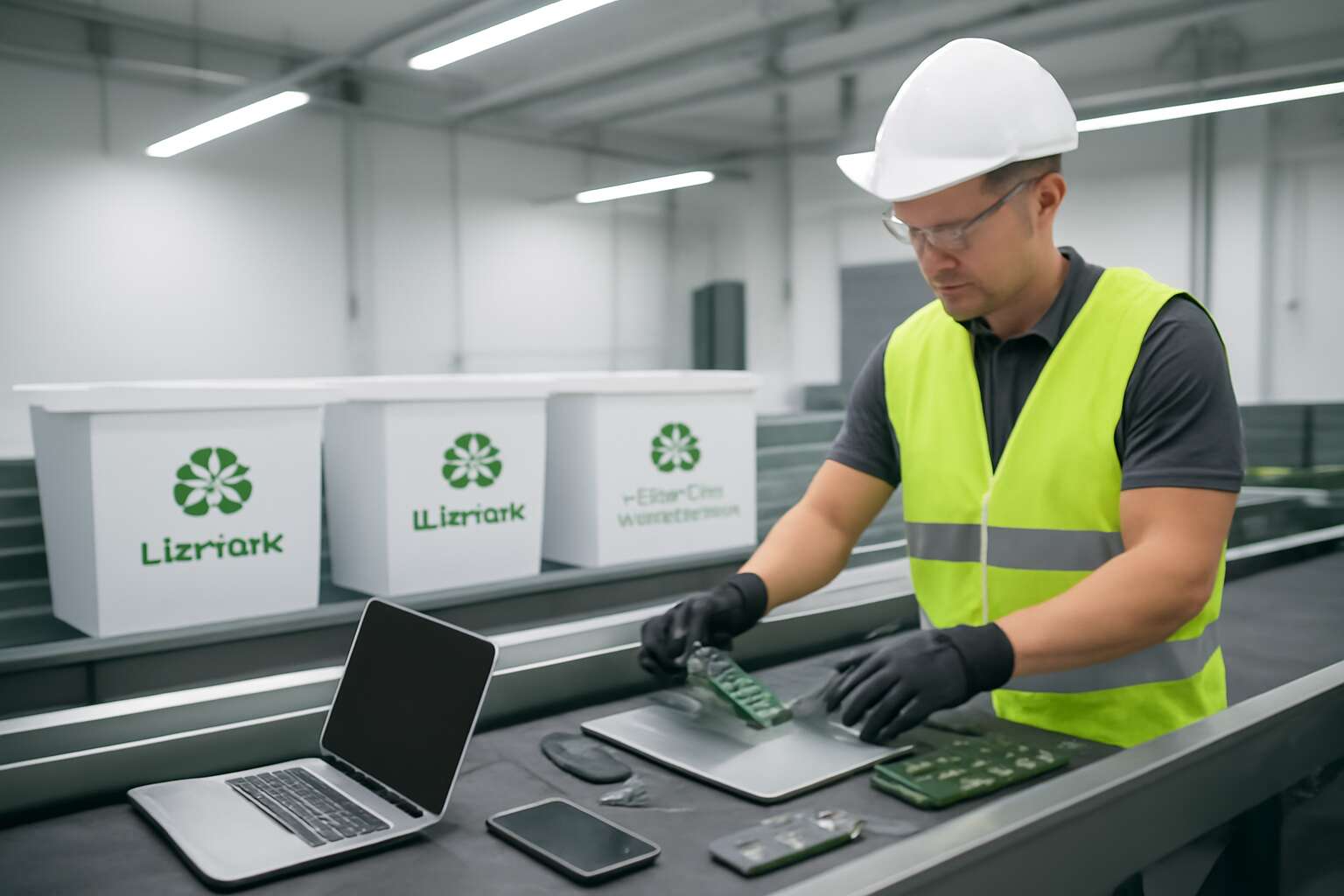
Understanding E-Waste Management
What constitutes e-waste and why it matters
Across South Africa, smartphones and laptops vanish from view as quickly as they appear, and global e-waste is projected to reach 74 million metric tons by 2030. That staggering trajectory tells a story about how we live with technology and what we discard when it wears out. When I walk through busy markets or office parks, the mountains of outdated devices feel like a mirror of our digital appetite.
So, what is e waste management? It is the system that governs how we collect, sort, and treat old electronics so value is recovered and danger is kept at bay. The basics include:
- Collection and safe handling
- Sorting and material separation
- Refurbishment, recycling, and final disposition
These ideas support a circular economy in South Africa, protecting communities and ecosystems while keeping precious resources in circulation. Every device contains minerals worth reclaiming, if we treat them with care and keep faith with responsible practice!
Key stakeholders in e-waste management
Global e-waste is projected to reach 74 million metric tons by 2030, a cliffhanger that gnaws at every device we abandon. In South Africa, the story hinges on who handles that waste and how it is transformed, not merely discarded. Understanding the landscape begins with the people who move e-waste from curb to circuit.
The main stakeholders include:
- Government and regulators shaping policy and enforcement
- Producers and importers designing responsible take-back schemes
- Recyclers and refurbishers turning waste into resources
- Informal workers and communities who often collect and sort
- Consumers and NGOs driving awareness and accountability
So, what is e waste management? It is a living framework where policy, business, and civil society co-author a safer, more circular future. When aligned, the system breathes, securing resources and protecting communities from the shadows of discarded tech.
Global trends in e-waste generation and disposal
Global e-waste is projected to reach 74 million metric tons by 2030, a mountain of devices that outlives its owners and hums with possibility. The pace of turnover—phones, laptops, and appliances—outstrips our ability to reuse and recycle. So, what is e waste management? It is a living framework where policy, business, and civil society co-author a safer, more circular future.
In South Africa, the arc bends around who handles that waste and how it transforms it rather than simply discards it! Understanding this landscape means following the people who move e-waste from curb to circuit, from informal collectors to certified recyclers.
- Policy shifts encouraging responsible take-back and resource recovery
- Innovations in materials recovery and refurbishing
- Public awareness and responsible consumption driving safer disposal
Core Components of an E-Waste Program
Inventory and asset tagging for electronics
Across busy offices, device turnover runs hot—millions of gadgets retire each year. So, what is e waste management? It begins with a precise inventory and tagging system that traces every asset from cradle to grave.
Core components focus on building a trusted backbone: a live asset inventory, a standardized tagging scheme, and clear lifecycle status. Together they enable accountability and accurate reporting across South Africa’s e-waste landscape.
- Comprehensive inventory of devices and peripherals
- Consistent tagging system (barcodes, QR codes, or RFID)
- Centralized lifecycle tracking and location management
- Data sanitization and secure decommissioning records
- Regulatory compliance, audits, and reporting trails
For South African enterprises, aligning these components with national waste regulations strengthens trust, protects data, and lifts sustainability from policy into practice.
Safe collection, transport, and intake processing
In the rhythm of a busy South African office, the core of an e-waste program beats through safe collection, transport, and intake processing. The journey begins with clearly marked drop-off points, where devices enter a controlled path toward secure processing. This triad—collection, transport, intake—ensures that every asset is accounted for and every data-bearing component is handled with care.
To keep the chain intact, consider these pillars:
- Tracked collection points with secure bins
- Transport with chain-of-custody documentation
- Intake processing that logs condition, serials, and data sanitization status
That answer to what is e waste management unfolds as records are created, decommissioned devices are disposed of responsibly, and regulatory trails are kept intact. By aligning these steps with South Africa’s waste regulations, enterprises build trust and safeguard data while turning waste into value.
Reuse, refurbishment, and material recovery streams
In the shimmer of a boardroom, the core components of an e-waste program reveal themselves as streams that extend a device’s life: reuse, refurbishment, and material recovery. To understand what is e waste management in practice, one watches these channels harmonize—preventing waste, protecting data, and revealing value in what others deem discarded.
- Reuse and life extension—placing devices in new hands or departments to delay retirement
- Refurbishment—testing, repairing, and certifying equipment for resale or donation
- Material recovery—dismantling for plastics, metals, and circuits that can re-enter the supply chain
These streams are choreographed with care in South Africa, balancing regulatory duty with the elegance of purposeful design. When goods find second chances, the workplace feels lighter, yet the impact on the environment remains impressively measured.
Data security and device sanitization
In a world where digital footprints outlive devices, data haunts a retired gadget more than the hardware itself. “Data is the stubborn residue,” a line that underpins every e-waste program.
The core rests on data security and device sanitization. The question of what is e waste management becomes clearer when certified data wiping, verifiable deletion, and audited chain-of-custody shield sensitive information in South Africa.
- Data wiping to certified standards with verifiable proof of deletion
- Device sanitization: physical and logical methods matched to type
- Chain-of-custody, tamper-evident labeling, and auditable trails
- Third-party certification to align with local regulations
When these streams align, the workplace breathes easier—data stays protected, value endures, and stewardship threads through the device lifecycle.
Regulations, Compliance, and Certifications
International guidelines and national regulations
Global e-waste streams are marching into the tens of millions of metric tons each year, and the pace shows no sign of slowing. The question, what is e waste management, becomes clear when you see how guidelines and rules keep electronics out of landfills and in the loop of value recovery.
International guidelines set the frame: Basel Convention controls cross-border shipments; WEEE Directive and RoHS govern design and recycling; ISO 14001 anchors environmental management. The field is reinforced by certifications that signal trust and accountability, including:
- Basel Convention on hazardous wastes
- WEEE/RoHS compliance
- ISO 14001 environmental management
- R2 and e-Stewards certifications
In South Africa, the National Environmental Management: Waste Act provides the umbrella for e-waste, with licences for collection, storage and disposal facilities; compliance means traceability and proper licensing.
Extended Producer Responsibility and take-back schemes
Global e-waste hovers around 50 million metric tons annually, and South Africa is not immune to the overflow. Understanding what is e waste management, and how governance keeps electronics out of landfills, becomes clearer when compliance and certification enter the frame. It’s a dance of policy and practice, with the tempo set by regulation and the artistry by responsible actors.
Regulations translate into robust compliance ecosystems: licensing for collection, storage, and disposal facilities; traceability that follows a device from cradle to grave; and certifications that signal trust and accountability. Extended Producer Responsibility and take-back schemes push responsibility upstream, ensuring manufacturers—not merely consumers—bear the stewardship burden. Standards such as ISO 14001, R2, and e-Stewards anchor the effort.
- Clear EPR obligations for manufacturers and importers
- Accessible take-back channels for consumers
- Auditable licensing and traceability records
- Third-party certifications that attest to responsible processing
Licensing, reporting, and audit requirements
Regulations steer every step of the e-waste journey, turning risk into reliability. In South Africa, licensing for collection, storage, and disposal facilities, plus cradle-to-grave traceability, creates a transparent chain. Compliance isn’t a nuisance; it’s the backbone that keeps electronics out of landfills and into responsible processing streams.
- Licensing for core handling sites including storage and intake
- Reporting on material streams, transfers, and disposal actions
- Audits and independent certifications that prove responsible processing
So, what is e waste management in practice? It is the governance layer that binds producers, recyclers, and regulators into a single accountable system. Certifications anchored to standards such as ISO 14001, R2, and e-Stewards validate the journey from device to final material recovery.
Hazardous materials handling and worker safety
what is e waste management? It’s the governance layer that binds producers, recyclers, and regulators into a single, accountable system. Hazardous materials handling sits at the core, from battery cells to fluorescent lamps; safe, compliant practices protect workers and communities alike.
Regulations shape every action, and certifications certify intent. Compliance isn’t paperwork; it’s risk management realized through training, safe storage, and clear incident reporting.
- Hazardous materials handling and containment
- Worker safety training and PPE compliance
- Incident reporting and corrective action tracking
Certified programs—ISO 14001 for environmental management and ISO 45001 for worker safety, alongside sector schemes like R2 or e-Stewards—provide independent proof of responsible processing.
Certification programs and industry standards
Regulations shape action in the e-waste landscape. what is e waste management? It’s the governance layer that binds producers, recyclers, and regulators into a single, accountable system. In South Africa, laws steer material tracking, safe storage, and responsible disposal—protecting communities and ecosystems.
Compliance isn’t a one-off checkbox; it’s ongoing risk management. It shows up as audits, rigorous record-keeping, and clear incident trails that never vanish into a spreadsheet. With proper oversight, training routines, and defined accountability, the entire chain stays aligned with the law—and with common sense.
Certification programs and industry standards provide independent proof of responsible processing; they’re the certificate you can hang on the wall that actually matters. ISO 14001 and ISO 45001 sit alongside sector schemes like R2 and e-Stewards, signaling commitment to best practices.
- ISO 14001 (environmental management)
- ISO 45001 (occupational health and safety)
- R2 (Responsible Recycling)
- e-Stewards
Technologies and Best Practices in E-Waste Recycling
Dismantling, separation, and sorting technologies
Global e-waste totals hover around 50 million tonnes each year, and understanding what is e waste management becomes essential for turning clutter into capital. In South Africa, smart dismantling and sorting cut pollution and recover valuable materials long before anything lands in a landfill.
Technologies and best practices in e-waste recycling hinge on precise dismantling, clean separation, and accurate sorting. Automated and semi-automated lines minimize human error, while rigorous safety protocols protect workers and keep processes flowing. The goal is high-purity streams of plastics, metals, and components to maximize reuse.
- Modular dismantling lines that adapt to devices of varying complexity
- Magnetic and eddy-current separators for ferrous and non-ferrous metals
- Near-infrared optical sorters to distinguish plastics and composites
- Integrated quality control and traceability sensors to maintain material purity
These approaches fit a South Africa-ready, circular-economy mindset, pairing modern tech with practical operations to safeguard people and the planet.
Hazardous materials management and environmental controls
Fifty million tonnes of e-waste are generated worldwide each year, and the clock is ticking for South Africa. So, what is e waste management? It’s the disciplined orchestration of hazardous materials handling and environmental safeguards that keeps communities safe and materials circulating.
In practice, hazardous materials management means rigorous battery and chemical containment, trained response to leaks, and transparent inventory controls that prevent cross-contamination. Environmental controls cover air emissions, solvent and coolant management, wastewater treatment, and leachate containment, all backed by regular monitoring and emergency drills.
- Spill containment and secondary storage that guards soils and water
- Proactive air and effluent controls to protect workers and neighbours
- Rigorous record-keeping and third‑party verification for traceability
Materials recovery and recovery stream optimization
Fifty million tonnes of e-waste are generated worldwide each year, and the clock is ticking for South Africa. In the lexicon of what is e waste management, recovery streams are the living arteries of a circular economy. They fuse science with stewardship, turning discarded devices into copper, rare earths, and plastics while whispering promises of a cleaner future.
Technologies and best practices in e-waste recycling are reshaping what’s possible in materials recovery and recovery stream optimization. Real-time analytics, AI-driven feedstock identification, and closed-loop solvent systems extract value with minimal waste.
- Real-time analytics and AI-driven identification of feedstock
- Hydrometallurgical approaches that recover metals with reduced emissions
- Modular, mobile recovery units that shorten value chains and bring processes closer to source
These innovations support safer extraction, lower energy footprints, and transparent traceability, allowing South Africa to close the loop with dignity and potency.
Sustainable end-of-life options: reuse, refurbish, recycle


0 Comments