Your Guide to Responsible E-Waste Disposal
Mastering E-Waste Recycling: A Comprehensive Guide
Discover essential tips and regulations to ensure your electronic waste is recycled safely and efficiently, benefiting both the environment and your community.
Understanding E-Waste Recycling

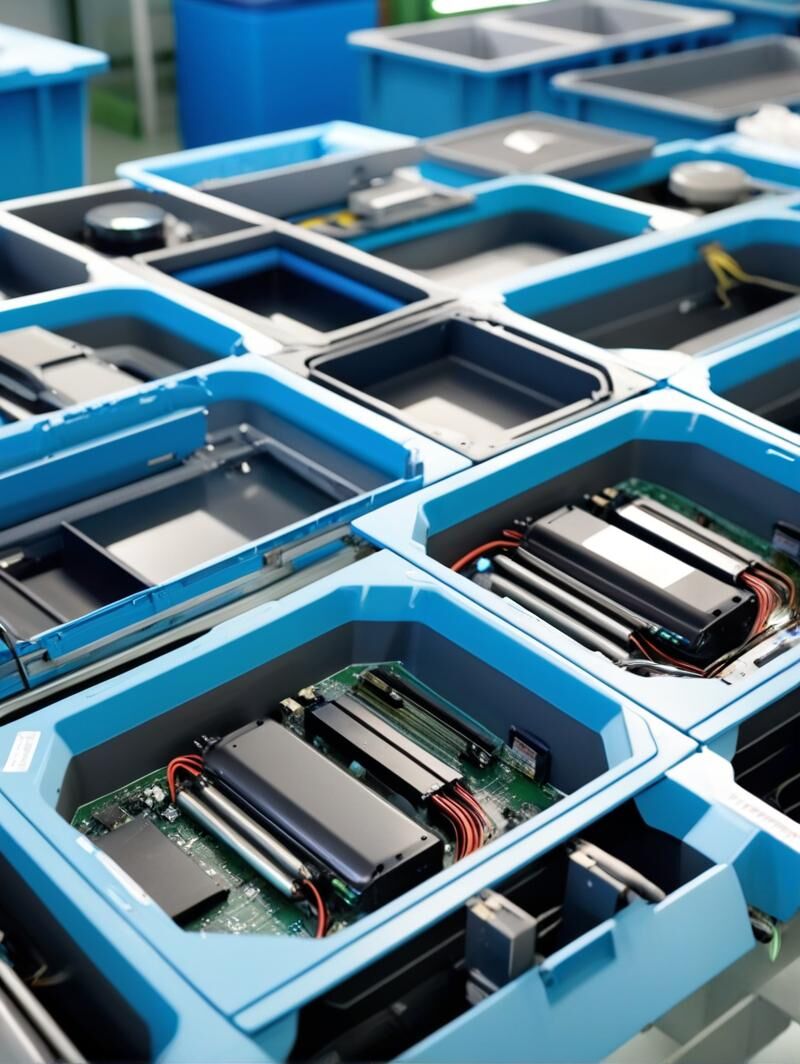
Effective E-Waste Recycling Tips
Practical Steps for E-Waste Management
For individuals: Start by sorting your e-waste and identifying local recycling centers. Ensure devices are wiped of personal data before disposal. For businesses: Implement a company-wide e-waste policy, partner with certified recyclers, and educate employees on the importance of responsible e-waste management. Both individuals and businesses should stay informed about local regulations and participate in community recycling events.
E-waste Recycling FAQs
Discover answers to common questions about e-waste recycling and how you can contribute to a cleaner environment.
What is e-waste?
E-waste refers to discarded electronic appliances such as computers, TVs, and mobile phones that are no longer in use.
Why is e-waste recycling important?
Recycling e-waste prevents hazardous materials from harming the environment and allows valuable materials to be reused.
How can I recycle my old electronics?
You can recycle your electronics by taking them to certified e-waste recycling centers or participating in community collection events.
What items are considered e-waste?
Items like computers, televisions, mobile phones, and other electronic devices are considered e-waste.
Are there any fees for recycling e-waste?
Some recycling centers may charge a small fee, but many offer free recycling services for certain items.
Can e-waste be thrown in the regular trash?
No, e-waste should not be disposed of in regular trash due to the hazardous materials it contains.
Best Practices for E-waste Recycling
Implement these best practices to ensure effective and responsible e-waste recycling.
Separate e-waste from regular waste
Always keep electronic waste separate from your regular trash to prevent contamination and ensure proper recycling.
Use certified recycling centers
Ensure your e-waste is handled by certified recycling centers to guarantee safe and environmentally friendly processing.
Data wiping before recycling
Protect your personal information by wiping all data from devices before recycling them.
Participate in community programs
Engage in local e-waste collection events to support community efforts and promote awareness.
E-waste Recycling Resources
Helpful Organizations
- eWASA — a national Producer Responsibility Organisation (PRO) for electrical & electronic equipment, lighting, batteries, packaging and more. Their site covers compliance, waste-stream standards, and links to recyclers.
- ERA NPC (E-Waste Recycling Authority) — a non-profit company coordinating WEEE (waste electrical and electronic equipment) recycling efforts across South Africa. Their site provides reports, and info for producers, recyclers and the public.
- WEEE are SA — South Africa’s dedicated e-waste knowledge hub, offering education, awareness, and resources on integrated e-waste management and recycling.
- WasteAid — an international NGO active in South Africa, promoting e-waste repair and reuse through community-based programmes to support circular-economy growth.
- African Reclaimers Organisation (ARO) — a grassroots organisation representing reclaimers in South African townships and landfills; they collect, sort and sell recyclables (including electronic waste).
Educational Resources
- “Circular opportunities for e-waste repair and reuse … in South Africa” (WasteAid article) — an insightful piece about repair, reuse and circular-economy initiatives for e-waste, especially within township communities.
- “Processing of e-waste in South Africa” (academic/industry report, 2019) — detailed analysis of the state of e-waste management in the country, outlining challenges and opportunities for recycling, resource recovery, and social / economic impact.
- SRI South Africa Programme page on e-waste (via “WEEE are SA” / Sustainable-Recycling) — provides status updates on national WEEE policy, norms and standards, and resources to support a circular economy for electronic waste.
- “E-Waste Plastics in South Africa” (2025 research report) — explores local challenges around recycling plastics from WEEE, contamination risks, and prospects for recycling plastics such as ABS, PP and PC — useful for those seeking deeper technical insight.
- “Gauteng e-waste management strategy 2021” (Government-collaborative strategy PDF) — offers a regional overview of e-waste trends, management strategy, waste-stream classification, and policy context — valuable for understanding structural/regulatory aspects.
Join the E-Waste Revolution
Take a stand for the environment by recycling your e-waste responsibly. Discover local services that make it easy to dispose of your electronics safely and sustainably. Together, we can reduce waste and protect our planet.