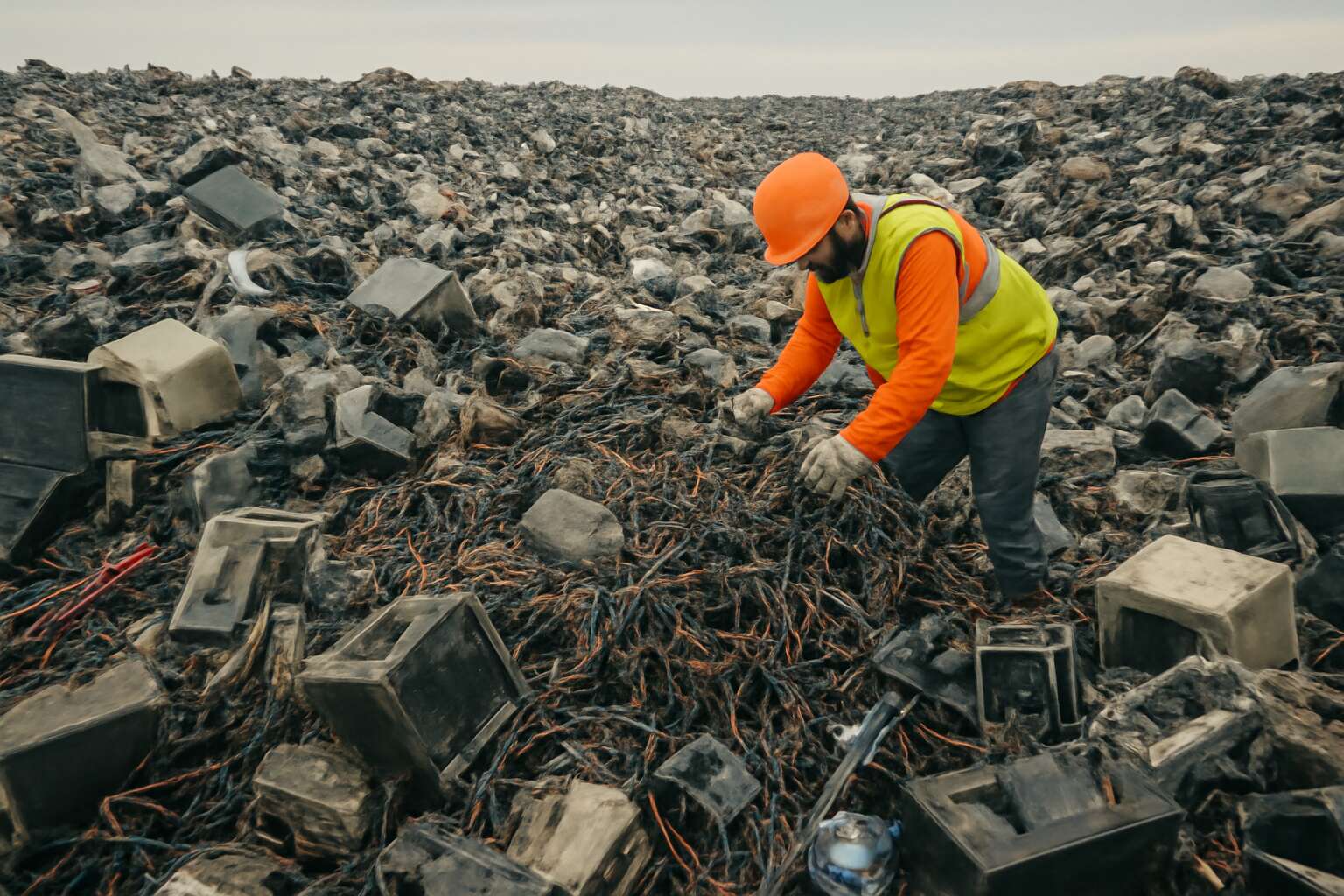
Main Outline for E-waste in landfills
Section A
South Africa’s waste narrative is evolving, and the landfill with e waste stands as a quiet testimony to modern excess. E-waste is the fastest growing waste stream, and a single discarded device can harbor lead, cadmium, and flame retardants that outpace expectations!
- Hazard profile: toxins, metals, and persistent pollutants
- Leachate risks and groundwater safeguards
- Health impacts of informal e-waste recycling
- Regulatory frameworks guiding SA’s e-waste fate
These pillars anchor Section A, shaping policy debates and guiding responsible choices for businesses and communities.
Section B
From a strategic vantage, Section B maps the subtle choreography of managing e-waste as it travels from consumer to final resting place within a landfill with e waste. In South Africa, e-waste is expanding at a pace two to three times faster than general waste, and the stakes rise with every discarded device. The outline for E-waste in landfills concentrates on safe containment, clear data-handling paths, and transparent monitoring that keeps communities resilient.
- Containment systems and liner integrity to curb leachate and gas release
- Data-handling pathways, device dismantling, and secure destruction at point of disposal
- Ongoing environmental monitoring, audits, and community reporting
As a result, businesses and municipalities in SA can align their waste governance with practical, field-ready measures that respect ecosystems and public health. The outline emphasizes co-ordination across waste handlers, recyclers, and regulators, crafting a narrative where waste becomes a controlled stage rather than a spectacle of neglect.
Section C
Section C drills into the heartbeat of a landfill with e waste—the moment after disposal when risk management stops being a buzzword and starts saving ecosystems. A landfill with e waste isn’t a dumping ground; it’s a controlled stage where containment, data integrity, and transparent reporting keep hazards on a short leash. In South Africa, this phase hinges on practical governance, clear accountability, and a narrative communities can trust. It’s about turning fear into a well-documented, auditable system that behaves itself.
- Post-closure stewardship and long-term containment integrity
- Data sanitization audits and traceability across the disposal chain
- Community-facing reporting and regulator-aligned transparency
When those elements synchronize, the landfill with e waste becomes a robust, auditable partner in the circular economy—less drama, more durable futures.
Section D
Here, Section D sketches the backbone of E-waste management in landfills—the point where policy becomes practice. A decision today can ripple through communities for decades, shaping safety, jobs, and trust. It’s where design, funding, and oversight align to keep hazards contained and futures intact.
The main outline for e-waste in landfills rests on four pillars:
- Clear governance roles and accountable leadership across operators
- End-to-end lifecycle tracing from intake to final containment
- Transparent reporting that invites community and regulator engagement
- Resilience through financial safeguards and ongoing maintenance plans
Viewed from a South African perspective, this framework turns concern into concrete practice. A landfill with e waste becomes a steady partner in the circular economy.


0 Comments