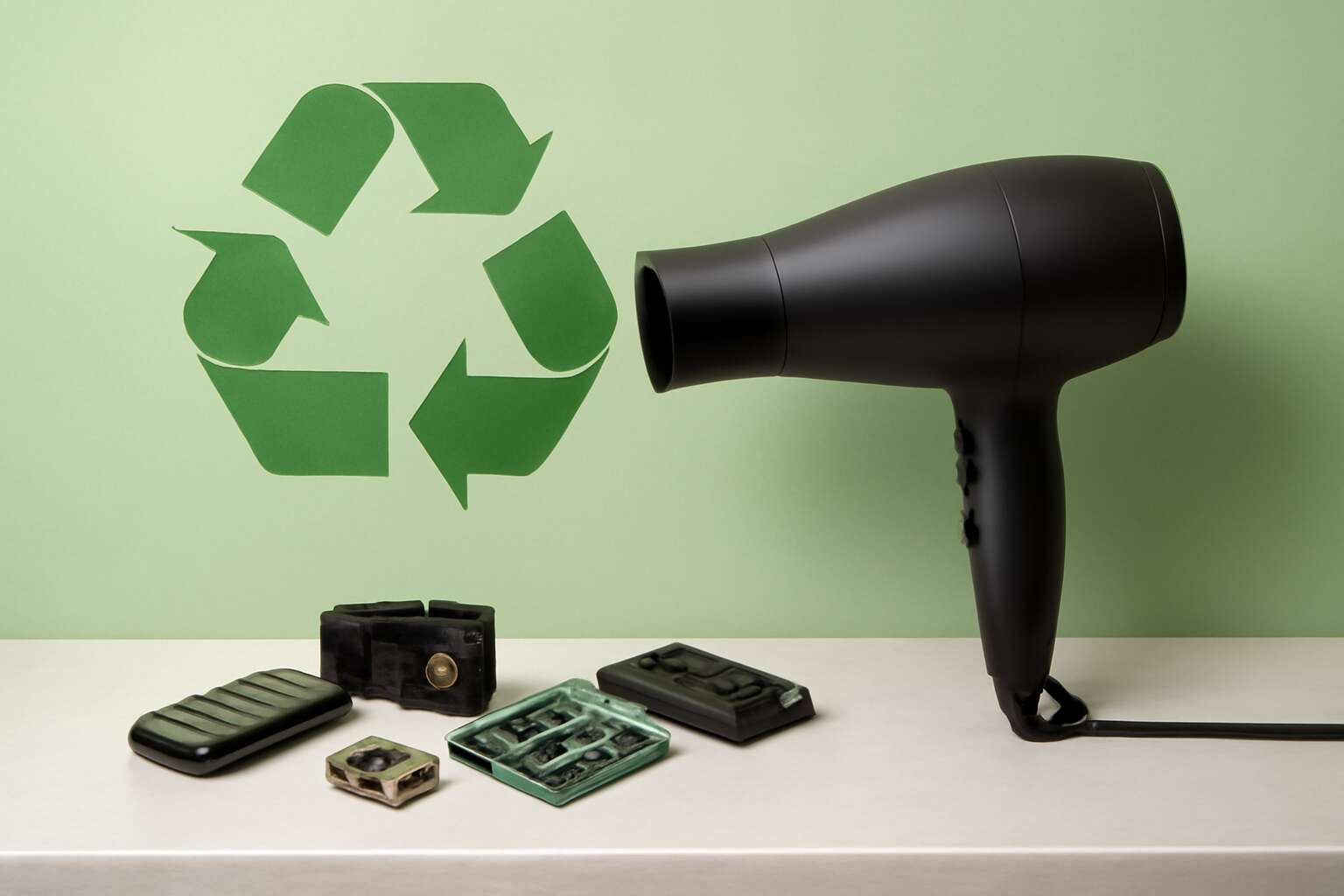
Comprehensive guide to hair dryer e-waste and responsible disposal
Environmental impact of hair dryer disposal
In South Africa, every home keeps a small, stubborn reminder of modern grooming—a hair dryer that outlived its novelty. The question of are hair dryers e waste isn’t academic; it’s about what happens when the cord finally cools and the casing softens in a sunlit cupboard. These machines shimmer with promise, yet their internal mixes of plastics, nickel, and rare earths can become a burden if not handled thoughtfully.
Environmental impact of disposal is not a distant worry but a local concern: improper disposal can seep toxins into soil and water; energy spent on manufacturing new units multiplies when old ones vanish into clutter. In many South African communities, e-waste streams are under-resourced, leaving valuable materials stranded and difficult to reclaim.
- Recycled through certified e-waste channels
- Repurposed or upcycled by local artisans
- End up in landfills where plastics persist
Ultimately, the fate of a discarded hair dryer speaks to broader choices—about consumer culture, supply chains, and the dignity of waste. A small device carrying a heavy footprint becomes a catalyst for conversation, a reminder that responsible disposal reshapes landscapes beyond the mirror.
Lifecycle and components of hair dryers
That shiny hair dryer hiding in a sunlit cupboard isn’t vanity’s trophy; it’s a compact archive of modern production—plastic shells, copper windings, a tiny motor, and a heating coil all humming along. In South Africa, these devices accumulate faster than salon gossip, quietly begging for a cleaner exit.
Lifecycle and components: From the moment the box is opened, the device cycles through assembly, everyday use, and eventual retirement. Its parts span a motor, heating element, plastics, magnets, copper wires, and a small circuit board; the question are hair dryers e waste surfaces as a reminder that materials can be reclaimed rather than discarded.
End-of-life pathways aren’t mere trivia; in practice, they pull in certified e-waste channels, repurposing by local artisans, or options that end up in landfills. The lifecycle question isn’t about guilt so much as infrastructure—what we enable, not just what we throw away.
Responsible disposal and recycling options
Behind every sunlit shelf, a small furnace of modern logistics hums away. The cupboard’s gleam hides a lifecycle: a hair dryer that ships in, serves daily routines, and eventually retires. are hair dryers e waste? The truth lies in how we manage materials and the footprint left behind.
A comprehensive guide to hair dryer e-waste and responsible disposal helps map the journey from living room to reuse, recycling, or a more considered retirement. In South Africa, local facilities and certified channels are the chessboard on which that future is played—without flinching from the ethics of production.
- Certified e-waste channels that handle small appliances
- Community repair and repurposing initiatives
- Recycling facilities that responsibly separate metals, plastics, and circuits
These pathways remind us that disposal carries social consequences—and that the unseen workers who process these outputs matter as much as the devices themselves.
Reducing e-waste from hair dryers
In South Africa, e-waste is one of the fastest-growing waste streams, and every home hides a culprit: a hair dryer that hummed through daily routines and now sits idle. This raises a simple question: are hair dryers e waste? The answer hinges on how we manage materials and the footprint we leave behind.
We map that journey every day. A comprehensive guide helps navigate the path from living room to reuse, recycling, or a more considered retirement. In South Africa, certified channels and local facilities are the chessboard on which that future is played—without flinching from the ethics of production.
These pathways remind us that disposal carries social consequences—and that the unseen workers who process these outputs matter as much as the devices themselves.
Policy, awareness, and consumer action
Across South Africa, e-waste rewrites everyday choices, and a familiar ally hides in every drawer—a hair dryer that once powered mornings now prompts questions about responsibility. Are hair dryers e waste? The answer rests on how we treat materials, extend lifespans, and close the loop with care.
A comprehensive guide to hair dryer e-waste and responsible disposal maps the path from living room to reuse, recycling, or a quieter retirement. It foregrounds policy coherence, public information, and industry accountability.
- Policy coherence
- Public information
- Industry accountability
Within South Africa, certified channels and local facilities sit as the chessboard on which this future is played. These pathways remind us disposal carries social consequences and that unseen workers matter as much as the devices.
Such a guide invites quiet reflection on how convenience and stewardship intersect, and asks whether are hair dryers e waste captures the ethical weight we carry through our choices.


0 Comments