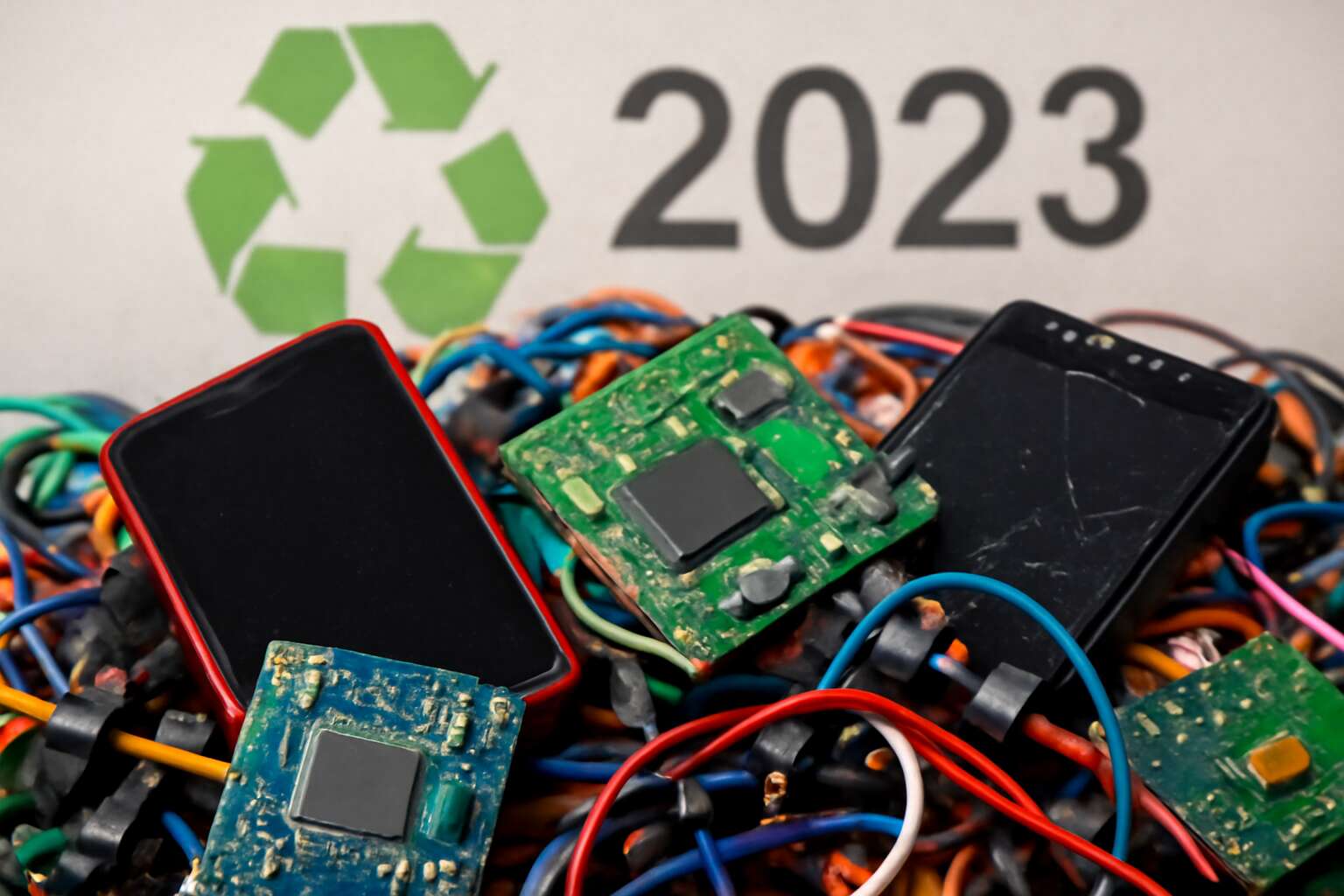
Global trends in electronic waste in 2023
Global e-waste generation statistics in 2023
Global e waste in 2023 topped an astonishing milestone, exceeding 57 million tonnes and imagining a future where every device’s dust-to-digital memory is counted. The steep rise isn’t just about more gadgets; it’s about the speed of replacement and the digital appetite of households worldwide. Across continents, volumes grew even as recycling capacity lagged, leaving a persistent challenge for policymakers, businesses, and households alike.
The data for e waste in 2023 show a stubborn acceleration by volume, with estimates near 57 million tonnes globally and a recycling rate around 20%. In many regions, collection gaps persist. Key trends include:
- Higher smartphone and device turnover driving volume
- Urban-rural disparities in collection and recycling
- Hazardous substances requiring careful handling and safe recovery
Such dynamics illuminate the global narrative and the South African context, where data and recovery debates ripple through policy and industry.
Key drivers behind rising e-waste in 2023
The clock of consumption ticks louder than recycling drums. “We turn over devices faster than we repair them,” a policy analyst once said, and the line lingers. In 2023, the global appetite for new tech outpaced the quiet work of recovery, nudging waste streams higher and faster than ever. The era of e waste in 2023 reveals how quickly devices are discarded.
Key drivers behind rising volumes are clear:
- Rapid turnover of smartphones and devices as new models appear yearly
- Growing urban demand and expanding middle class with more gadgets per household
- Gaps in formal collection networks and safe handling of hazardous components
In SA, these forces collide with informal recycling niches and policy shifts, shaping debates on collection, processing, and responsible recovery.
Top countries producing e-waste in 2023
Global currents swirl as devices age out in ever-larger numbers; e waste in 2023 rose into the tens of millions of tonnes, a tide that refuses to be tamed. A policy analyst once said, “We turn over devices faster than we repair them,” and the line lingers like a spell. The era reveals how swiftly discarded gear reshapes waste streams as households chase the next upgrade.
Top producers in 2023 include a handful of nations driving the volume across continents:
- China
- United States
- India
- Japan
- Germany
For South Africa, these currents collide with informal recycling niches and evolving policy. Here at home, e waste in 2023 echoes in warehouses and workshops, inviting readers to watch the hidden economies that cradle recovery and the responsibilities that travel with every gadget.
Product lifecycles and obsolescence trends in 2023
Global e waste in 2023 rose to tens of millions of tonnes, a tidal surge reshaping recycling yards and landfills alike. Devices reach end-of-life faster than ever, with households craving the latest features and higher performance. The pace of change feels almost prophetic!
Product lifecycles and obsolescence trends in 2023 show a rapid squeeze of usable life across smartphones, laptops, and wearables. Obsolescence is engineered into design, nudging upgrades. Key drivers include:
- Shorter product lifespans due to fast feature cycles
- Reduced repairability and modular components
- Thriving refurbishing and resale markets
South Africa is not insulated from this global drumbeat. Here, informal recycling niches and evolving policy collide as e waste in 2023 moves through warehouses and shadow workshops, revealing a hidden economy of recovery and risk.
These currents shape every gadget’s afterlife, reminding communities that what is discarded today becomes the raw material for tomorrow’s possibilities.
Policy and governance shaping electronic waste management in 2023
Policy and regulatory landscape impacting e-waste in 2023
Policy and governance in 2023 didn’t just nudge the needle; they rewired the map for e-waste stewardship in South Africa. Regulators tightened import controls, expanded producer responsibility, and sharpened recycling targets, turning discarded gadgets into a governance issue rather than a footnote. The phrase “e waste in 2023” has moved from buzzword to boardroom imperative.
Across Africa, policy makers leaned on a few durable levers to shape outcomes:
- Expanded Extended Producer Responsibility programs funding collection and recycling.
- Tighter import/export controls to curb illicit e-waste movements.
- Clear national targets and transparent recycling reporting.
- Regulations that nurture local repair hubs and safe data handling.
The governance landscape remains dynamic, with audits, licenses, and collaborations turning formal e-waste chains into the default.
Extended producer responsibility reforms in 2023
Policy moved from margins to mains in 2023, turning e waste into a governance matter rather than a footnote. In South Africa, regulators, industry bodies, and municipalities began mapping end-of-life responsibility with real teeth, and, as one regulator put it, ‘end-of-life is governance, not garbage.’ The shift arrived like weather—a quiet buildup that culminates in coordinated action.
- Expanded Extended Producer Responsibility programs funding collection and recycling.
- Tighter import/export controls to curb illicit e-waste movements.
- Clear national targets and transparent recycling reporting.
- Regulations that nurture local repair hubs and safe data handling.
Extended Producer Responsibility reforms in 2023 redirected funding toward collection and recycling, embedding stewardship into product design and supply chains. This shift places e waste in 2023 on the map; audits, licenses, and cross-sector collaborations are knitting formal e-waste chains into the default.
Trade and cross-border movements of e-waste in 2023
Policy and governance shaping electronic waste management in 2023 arrived like a quiet storm, turning e waste in 2023 from a footnote into policy with teeth. In South Africa, regulators, industry bodies, and municipalities began mapping end-of-life stewardship, realizing governance can be the difference between clutter and care.
- Enhanced traceability across shipments from factory floor to certified recyclers.
- Licensing and regular audits of e-waste handlers to ensure safe, compliant operations.
- Regulation that nurtures local repair hubs and enforces safe data handling and destruction.
Trade and cross-border movements of e-waste in 2023 tightened as regulators pressed for harmonised controls, tighter permit regimes, and shared data platforms. South Africa’s neighbors and customs agencies began sharing risk signals, transforming shipments into monitored flows rather than opaque freight.
Audits, licensing, and cross-sector coordination are turning e-waste governance into a visible, auditable chain, where end-of-life obligations migrate from margins to mains.
Funding and investment in e-waste infrastructure in 2023
Policy that bites, governance as backbone: e waste in 2023 became the ledger of accountability. In South Africa, authorities and industry watched a new order take shape, where care for discarded devices translates into policy with teeth. The romance of reform rests on auditable trails and steady hands.
Across regulators, municipalities, and industry bodies, end-of-life stewardship moved from rhetoric to routine. A web of licensing, audits, and safe data handling stitched the value chain into something transparent and trustworthy. Local repair hubs blossomed, turning detritus into resource and renewal.
Funding and investment in e-waste infrastructure in 2023 finally turned intention into infrastructure. In South Africa, three channels emerged:
- Grants and municipal budgets supporting repair and refurb hubs
- Public-private partnerships to scale certified recycling facilities
- Climate finance and green bonds directed at e-waste processing yards
The glow of these commitments is not glitter but infrastructure—quiet, enduring, and essential.
Recycling innovations and sector dynamics in 2023
Recycling technologies and recovery rates in 2023
Recycling innovations are reshaping the e-waste ecosystem in 2023, and South Africa sits at a turning point. Automated sorters, AI-assisted robotics, and modular disassembly lines turn mountains of devices into clean feedstocks. The narrative of e waste in 2023 unfolds as formal and informal networks merge, raising recovery potential while maintaining worker safety.
- AI-driven sorters boost plastics and metals
- Urban mining and modular disassembly
- EPR-backed plants expand processing capacity
Recycling technologies and recovery rates in 2023 advanced through better separation, cleaner refining, and cross-border collaboration. New pilot facilities show plastics, copper, and rare-earth components can be recovered with lower energy and emissions. For South Africa, the momentum hinges on integrated collection-to-refinement corridors that keep valuable materials in the economy.
Formal vs informal sector roles in e-waste management in 2023
In e waste in 2023, South Africa is witnessing a turning point as machines and people align to reshape the journey from discarded devices to usable feedstocks. AI-assisted sorters and modular disassembly lines turn mountains of devices into clean feedstocks, lifting recovery rates while protecting workers. Pilot facilities show plastics, copper, and rare-earth components can be recovered with lower energy and emissions, and cross-border collaboration is nudging cleaner refining.
- Formal sector investments in licensed plants and clear standards drive reliability
- Informal networks handle collection and initial salvage, expanding reach
- Public-private partnerships support training and safe handling across the value chain
These dynamics redefine sector roles, weaving formal accountability with the resilience of informal collectors. The blend improves coverage and safety, while communities witness a tangible shift from informal scavenging to structured recycling pathways.
Material recovery and hazardous materials handling in 2023
South Africa’s recycling floor is turning, and this moment is measured in numbers as much as hope. A 12% uptick in recovered devices signals a real shift toward scalable systems. Innovations blend with sector dynamics—modular dismantling and smarter sorting are turning mountains of devices into usable feedstocks, while worker safety and lower emissions stay central. Pilots show the energy footprint of refining can shrink, laying the groundwork for cleaner cross-border refining.
Material recovery and hazardous materials handling in 2023 are evolving through stricter standards, better containment, and tighter tracking. Hazardous fractions—batteries, lamps, and other toxic assets—now move to dedicated streams with minimal cross-contamination, while training pipelines extend across formal and informal networks. In this climate, e waste in 2023 signals a safer, more transparent value chain that communities can trust.
Consumer behavior and corporate responsibility in 2023
Consumer behavior and responsible disposal in 2023
South Africa’s devices linger longer, yet the e waste in 2023 narrative keeps unfolding—consumers balancing price, performance, and responsibility, while brands face mounting expectations for accountability and circular strategies!
Consumer behavior is shifting toward repair over replacement, recycling at point of sale, and mindful disposal. Corporate responsibility now includes transparent take-back programs, aspirational but practical refurbishing goals, and collaboration with trusted recyclers to close the loop.
- Retailer-backed take-back schemes that reward proper disposal
- On-site repair and refurbishing hubs linked to warranties
- Public reporting on material recovery and hazardous-material handling
When households and corporates move in step, the conversation about responsible disposal becomes less about doom and more about deliberate, humane stewardship—turning devices into resources rather than rubble.
Corporate sustainability programs and e-waste reduction in 2023
The pulse of 2023 beats with repair over replacement, a shift quietly reframing value in South Africa’s tech landscape. Consumers weigh price, performance, and responsibility, redefining what counts as a good deal—and e waste in 2023 becomes the indicator of progress, not a siren of doom.
Corporate sustainability programs are no longer add-ons; they are the backbone of procurement and product design. South African brands partner with certified recyclers, publish material-recovery metrics, and demand refurbishing targets that keep devices circulating rather than discarded. The result is accountability that travels from boardroom to customer, stitching trust into the product lifecycle!
- lifecycle assessment milestones
- transparent vendor accountability
- circular-supply chain pilots
As someone who ships solutions rather than slogans, I see these efforts translating into tangible stewardship—where devices become resources, and responsibility grows teeth.
Circular economy pathways and best practices in 2023
Across South Africa, households weigh price, performance, and responsibility in equal measure. The energy behind 2023 is a quiet move toward repair over replacement, turning e waste in 2023 from doom to a clear signal of progress.
When I talk with brands and customers, transparency becomes the litmus test: lifecycle data, refurbishing targets, and take-back programs. If a company publishes material-recovery metrics and partners with certified recyclers, accountability travels from boardroom to storefront—and trust follows.
- Transparent lifecycle reporting and refurbishing targets
- Certified recycling partnerships and material-recovery metrics
- Customer take-back and return incentives
In practice, circular economy pathways take shape through design for remanufacture, modular components, and local processing hubs. It’s a human story—people realizing a used device is a resource, not waste—and it is reshaping the South African tech landscape with purpose!




0 Comments