E-waste Effects: Comprehensive Outline
Health and human exposure to electronic waste
Across the globe, more than 50 million tonnes of electronics are discarded each year, and in South Africa the surge tests the limits of responsible disposal. The e waste effects ripple through communities long after devices stop blinking. This is not merely a tech issue—it is a public health and social fabric question.
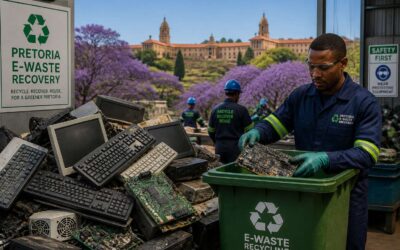
In informal yards, screens smolder and plastics hiss; the air tastes of solder and solvents. Heavy metals and flame retardants escape into soil and water, entering food chains and children’s bodies. The e waste effects here are felt as headaches, rashes, and, over time, more serious neurological and developmental risks.
- Leaching of heavy metals into soil and groundwater
- Airborne toxins released when plastics are burned
- Contaminated dust raising respiratory and cognitive risks
Understanding the e waste effects helps communities, workplaces, and policymakers imagine a different, healthier path!
Environmental contamination and ecosystem impact
Across the spectrum of e waste effects, the environment pays a price long after screens fade. Global e-waste totals exceed 50 million tonnes each year, and South Africa’s soils, rivers, and rangelands bear the invisible cost. Tiny metals and persistent chemicals seep into the ground, traveling through sediment and water to reshape habitats and the rhythms of local ecosystems. The damage is not a singular event but a slow erosion of the balance that sustains life here.
- Soil microbial communities and nutrient cycles altered
- Aquatic habitats and freshwater life disrupted
- Biomagnification risks across plants, invertebrates, and higher predators
These manifestations of e waste effects ripple beyond ecology, touching climate, culture, and livelihoods in SA—reminding us that waste footprints linger in the landscape long after devices go dark.
Economic and social consequences of improper e-waste handling
Global e-waste totals exceed 50 million tonnes each year, and the e waste effects hit money, jobs, and social fabric in South Africa. Improper handling shifts the burden from electronics to the economy, creating hidden costs for municipalities, manufacturers, and households. The fallout isn’t only environmental; it reshapes livelihoods and opportunity in ways that are hard to measure but impossible to ignore!
These are faces of the economic and social impact:
- Informal recycling drains formal job growth and exposes workers to toxic risks—sparking productivity losses and long-term health costs.
- Higher waste-management burdens squeeze municipal budgets and can push service fees up for residents.
- Limited access to compliant recycling lowers investor confidence and stalls local innovation.
In communities across the country, the repercussions ripple beyond balance sheets, touching daily life and the social contract in surprising, lasting ways.
Regulatory frameworks, governance, and policy responses
Governance around e waste effects is no longer an afterthought but a national priority. In South Africa, regulatory frameworks are weaving a bright compass: transparent tracking, responsible production, and safer recycling, where policy, enforcement, and industry collaboration work in harmony to keep the e waste effects from slipping into the informal economy!
A comprehensive approach features several governance levers:
- Extended Producer Responsibility (EPR) schemes that place end-of-life duties on manufacturers
- Coordinated municipal licensing and safe-handling standards to curb cross-border leakage
- Robust reporting and Basel Convention alignment to illuminate the true scale of e waste effects
Policy responses also include capacity-building, financing mechanisms, and regional cooperation to ensure standards keep pace with fast-changing devices. This creates a predictable environment that supports innovation while protecting communities from the costs and risks tied to improper disposal—helping to mitigate e waste effects across the economy.
Mitigation strategies and circular economy opportunities
South Africa stands at a turning point in how we treat electronics at end-of-life. The debate isn’t only about landfills—it’s about public health, jobs, and trust in governance. As a waste specialist says, ‘what we discard today defines the neighborhoods we protect tomorrow.’ Recognizing the e waste effects early drives smarter policy, safer handling, and cleaner supply chains that keep resources in use and communities out of harm. I see the stakes daily!
Mitigation strategies unfold across design, collection, refurbishment, and material recovery.
- Design for durability and easy disassembly
- Nationwide take-back and safe-handling schemes
- Formal recycling with verified standards
- Public–private financing models to close the loop
In South Africa, circular economy opportunities turn waste into wealth—repair hubs, refurbished devices, and local manufacturing that creates jobs while reducing import dependency.


0 Comments