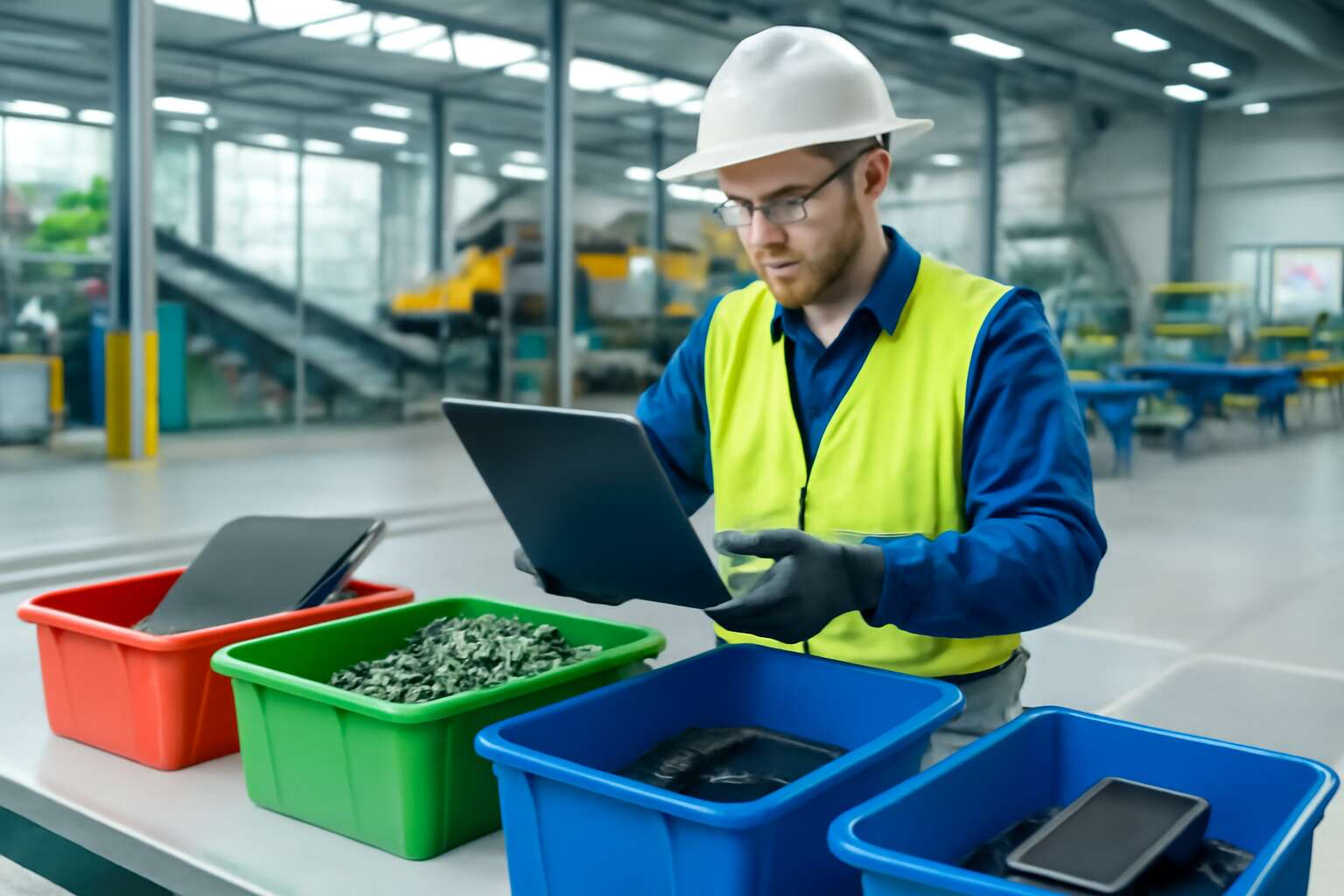
E-Waste Recycling: Pros and Cons Analysis
Environmental Benefits of Reclaiming E-Waste
In a world where electronic devices outnumber people, global e-waste hits more than 50 million tonnes yearly, and less than 20% is recycled. Here in South Africa, the pull to reclaim materials and protect communities is real—discarded chargers and screens tell stories, yet opportunities gleam in recycling metals and plastics.
The environmental benefits of reclaiming e-waste are real: reduced mining, lower energy use, and safer disposal for communities. Still, the path isn’t simple; informal recycling can release toxins, and supply chains must be tighter to ensure responsible processing. We weigh the recycling e waste pros and cons with care.
- Environmental benefit: safer recycling reduces soil and water contamination
- Economic factor: creates jobs in formal recycling and refurbishment
- Social impact: protects vulnerable communities from unsafe handling
When policy, industry, and citizens align, our handling of e-waste becomes a force for innovation and stewardship in South Africa.
Economic and Social Considerations of E-Waste Recycling
Globally, 50 million tonnes of e-waste are generated annually, and South Africa sits at the crossroads of booty and burden. The recycling e waste pros and cons debate is heating up in boardrooms and townships alike.
Economically, when formal recycling and refurbishment scale up, jobs spike, formal plants improve throughput, and local supply chains gain resilience. Social considerations focus on safer handling and protection of vulnerable workers and communities from toxins.
- Formal recycling creates verified jobs and compliant handling
- Refurbishment extends device life and reduces demand for virgin materials
- Accountability rises as regulations bite and oversight tightens
Yet challenges persist: capital costs, upskilling, and the risk of toxins if informal routes prevail. When policy, industry, and citizens align, e-waste shifts from a problem to a scalable source of innovation in South Africa.
Potential Drawbacks and Risks in E-Waste Recycling
More than 50 million tonnes of e-waste tumble into landfills and recycling streams each year, a global torrent that doubles as a vault of overlooked resources and stubborn hazards. In South Africa, the issue sits at a crossroads where opportunity meets risk, and stakeholders ask: what are the costs and benefits of turning discarded devices into raw materials?
On the pro side, recycling e waste pros and cons become clearer when considering energy savings, material recovery, and local technology spillovers; but the picture darkens where capital—facilities, training, and quality control—lags behind demand, or where informal handling releases toxins!
- Capital costs and upskilling needed for compliant operations
- Persistence of toxins if informal routes prevail and data risk remains
- Transport and energy intensity that can erode environmental gains
As regulations tighten and investment grows, the landscape reveals how risk and opportunity co-exist.
Implementation Challenges and Opportunities in Recycling E-Waste
The recycling e waste pros and cons debate in SA is playing out as devices multiply and landfills sigh in relief. Globally, only about 20% of e-waste is formally recycled, and South Africa is racing to close that gap with pragmatism and ambition. The upside shows in cleaner metals, local refurbishing, and a sturdier domestic tech supply; the downside arrives as capital costs pile up, standards get strict, and informal handling persists.
To turn potential into progress, we need clearer regulation, reliable certification, and green transport that doesn’t dunk energy into a black hole. Opportunities include formalising informal dismantling to boost safety, expanding local processing networks, and turning recovered materials into homegrown components and products.
- Standardised audits and industry-wide certifications for recyclers
- Investment in accredited facilities, safe logistics, and energy-efficient processing
- Public-private partnerships that connect communities, schools, and small businesses to the circular economy


0 Comments