Understanding E-Waste
Definition of E-Waste – What is electronic waste and how is it categorized?
Understanding E-Waste
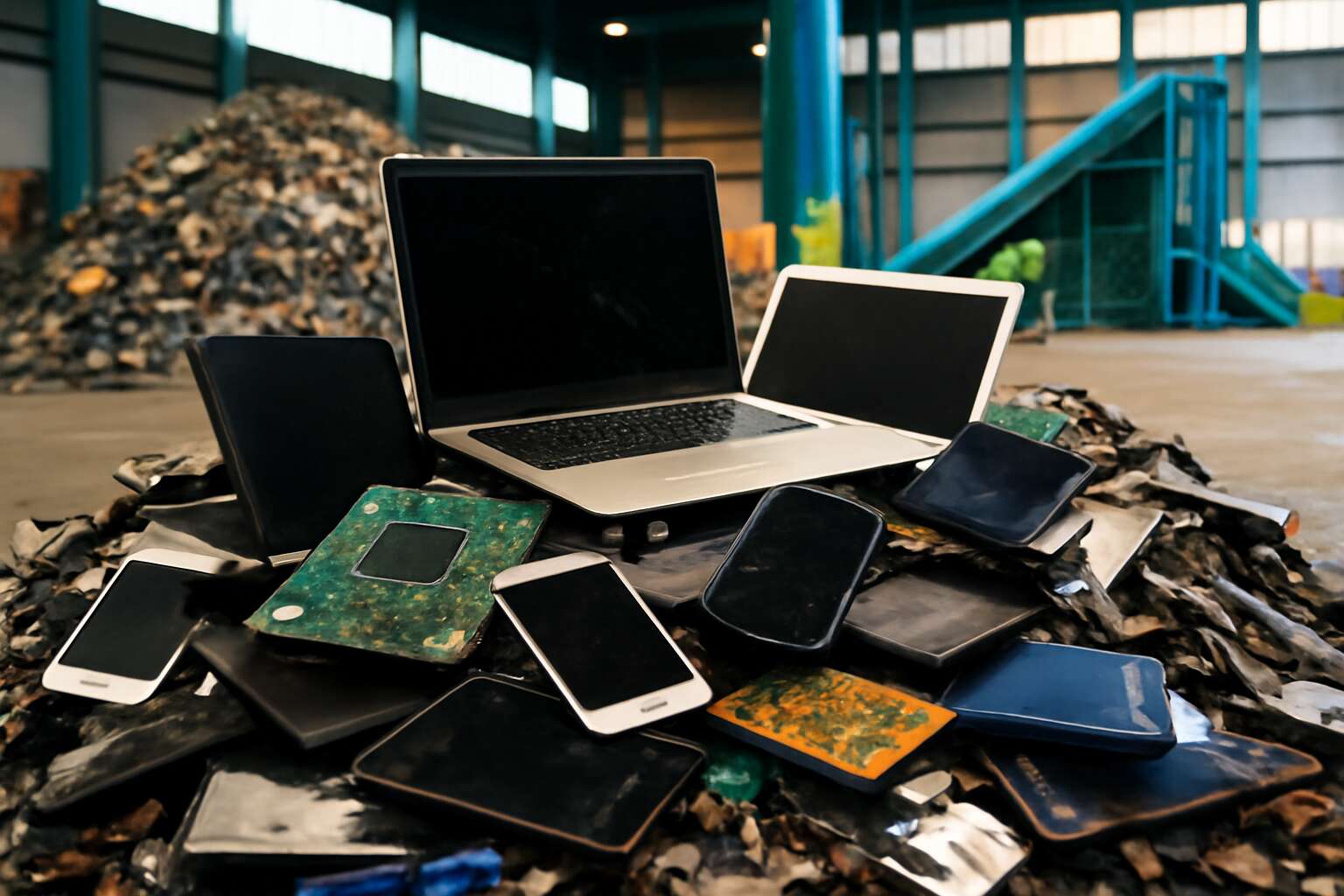
E waste means more than discarded gadgets and obsolete electronics; it embodies the silent, pressing crisis of our digital age. When we talk about e waste, we refer to waste generated from electronic devices that have reached the end of their functional life. This waste is often categorised based on its composition and potential hazard, ranging from consumer electronics like smartphones and laptops to larger appliances such as refrigerators and televisions.
At its core, e waste can be divided into two broad categories:
- Recyclable e waste, which includes devices that can be processed to recover valuable materials like metals and plastics.
- Hazardous e waste, comprising substances like batteries, mercury, and other toxic chemicals that pose serious environmental and health risks if not managed properly.
- Personal electronics such as laptops and desktops
- Television sets and gaming consoles
- Battery-powered devices like digital cameras and cordless tools
- Household appliances, including microwave ovens and air conditioners
- Precious metals like gold and platinum
- Common plastics used in casings and circuit boards
- Hazardous substances including mercury and cadmium
- Heavy metals like lead, mercury, and cadmium
- Toxic chemicals embedded within circuit boards and batteries
- Persistent organic pollutants that linger long after disposal
- Soil contamination from heavy metals
- Water pollution through leaching of hazardous chemicals
- Airborne toxins from improper incineration processes
- Certified e-waste recycling programs
- Responsible disposal of hazardous substances
- Recovery of valuable materials
- Manual dismantling to separate hazardous parts
- Mechanical shredding to reduce e-waste into manageable fragments
- Chemical treatments and smelting to extract and purify valuable metals
- Implementing stricter regulations and enforcement
- Promoting circular economy models
- Investing in eco-friendly recycling technology
- Implementing automated disassembly lines that meticulously separate hazardous components.
- Utilising robotics and AI to identify and recover precious metals from complex circuit boards.
- Developing environmentally friendly chemical leaching techniques that avoid the release of toxic residues.
- Encouraging consumers to utilise certified e-waste recycling programmes
- Implementing educational campaigns about the dangers of improper disposal
- Supporting legislation that incentivises eco-friendly e waste means and penalises illegal dumping
Understanding what constitutes e waste means recognising its dual nature—an amalgamation of resource and risk. The term encapsulates both the opportunity for sustainable reuse and the peril of unchecked pollution, making it a crucial concept in the ongoing dialogue about responsible disposal.
Examples of E-Waste – Common electronic items classified as e-waste
In the symphony of modern life, electronic devices have become the silent composers shaping our daily routines. Yet, beneath their sleek surfaces lies a burgeoning problem—e waste means more than just discarded gadgets; it embodies a complex web of environmental and health risks. When these devices reach the end of their lifecycle, they transform into a silent menace, often overlooked in our rush towards progress.
Examples of e waste include a diverse array of electronic items that are now commonplace in every household. These range from smartphones and tablets to larger appliances like refrigerators and washing machines. The rapid pace of technological innovation fuels the rise of e waste, as outdated devices are swiftly replaced with newer models. Some of the most common electronic items classified as e waste are:
What makes e waste particularly compelling is its dual nature. While it offers opportunities for resource recovery through recycling, it also harbours hazardous materials like mercury, lead, and cadmium. Recognising which devices fall into these categories is essential for understanding the true scope of e waste means, and the urgent need for responsible disposal. After all, each discarded gadget carries a story—of innovation, obsolescence, and the delicate balance between progress and preservation.
Global E-Waste Statistics – Overview of e-waste generation worldwide
In a world obsessed with the latest gadgets, it turns out that e waste means more than just a pile of discarded electronics gathering dust. Globally, e-waste generation is soaring to staggering heights—over 53.6 million metric tonnes in 2019 alone, according to reports from the United Nations. That’s enough to fill a mountain of devices that, in their prime, promised convenience and connectivity but now serve as silent, toxic monuments to our consumerist fervour.
This rapid proliferation of electronic waste isn’t just a matter of clutter; it’s a burgeoning environmental crisis. Countries around the world are struggling to keep pace with the explosion of obsolete devices. From ageing smartphones to defunct refrigerators, the sheer volume of e waste means that proper disposal and recycling are no longer optional—they are imperative.
Understanding what e waste means is crucial in this context. It encompasses a vast array of electronic items that, once retired, pose significant health and environmental risks. The challenge lies in managing this avalanche of devices, especially considering that e waste includes hazardous materials like lead, mercury, and cadmium. Such elements threaten ecosystems and human health when mishandled, turning what might seem like harmless junk into a ticking time bomb. The key to tackling this issue lies in recognising the scale of global e waste statistics and the urgent need for responsible e waste management.
Components and Composition of E-Waste
Types of E-Waste Materials – Metals, plastics, and hazardous substances in e-waste
Within the shadowy depths of e-waste, the components and composition reveal a haunting tapestry of materials, each with its own story to tell. E-waste means far more than discarded gadgets; it embodies a complex amalgamation of metals, plastics, and hazardous substances lurking beneath the surface. These materials, often hidden in the guise of sleek devices, are what make e-waste a ticking environmental time bomb.
Metals dominate the interior labyrinth of electronic waste, with valuable elements like gold, silver, copper, and rare earth metals weaving through circuits and components. These metals are the soul of our technological marvels, yet their extraction leaves scars on the earth’s fragile veneer. Plastics, the synthetic bones of electronic devices, form the outer shells—lightweight, durable, but equally perilous when discarded improperly. Meanwhile, hazardous substances such as lead, mercury, and cadmium lurk insidiously, threatening both human health and ecosystems.
Understanding the composition of e-waste is crucial, especially when considering the types of materials involved. Here’s a glimpse into the macabre palette:
Each element, each fragment, contributes to the complex identity of e-waste, making it a formidable challenge and a vital concern for those who wish to comprehend what e-waste means in the modern world’s dark, electronic shadows.
Toxic Elements in Electronic Waste – Presence of lead, mercury, cadmium, and other harmful substances
Within the tangled chaos of e-waste, a sinister reality lurks beneath the surface: toxic elements that threaten both our health and the environment. The composition of e-waste means far more than just discarded gadgets; it harbours hazardous substances like lead, mercury, and cadmium—silent killers disguised in everyday electronics. These dangerous materials are often embedded in components, making their extraction and disposal a moral and environmental dilemma.
Lead, for instance, is prevalent in solder and glass screens, posing severe risks to neurological development in children. Mercury, found in switches and fluorescent backlights, can cause irreversible damage if released into ecosystems. Cadmium, used in batteries and semiconductors, accumulates in living organisms, disrupting biological processes. The presence of these harmful substances underscores the urgency of understanding e-waste’s dark underbelly.
Compounding the problem, the composition of e-waste includes elements such as:
These toxic elements are not merely byproducts; they are an intrinsic part of what e waste means—an ongoing challenge that calls for deep reflection on the environmental cost of our technological pursuits. Every discarded device becomes a vessel of potential harm, quietly asserting its presence long after it’s gone.
Recyclable Components – Valuable materials recoverable from e-waste
Within the labyrinthine world of e-waste, the components and composition reveal a paradoxical tapestry of value and peril. Beneath the surface of discarded gadgets lie precious metals that, if recovered properly, could redefine resource sustainability. E waste means more than just waste; it embodies a complex mosaic of materials waiting to be reclaimed.
Critical to understanding what e waste means are the recyclable components embedded within these electronic relics. Circuit boards, for instance, hide a treasure trove of valuable materials—gold, silver, copper, and palladium—each contributing to the economic and environmental importance of responsible e-waste management. These metals are not only essential for new electronics but also hold the key to reducing the environmental footprint of manufacturing.
Recovery processes often involve intricate extraction techniques, especially for metals like gold and copper, which are woven into the very fabric of circuit boards and connectors. In addition to metals, plastics derived from durable polymers and bio-based materials form a significant portion of e-waste’s composition. The real challenge lies in separating hazardous substances—such as brominated flame retardants and other toxic chemicals—from these valuable components, to prevent further environmental contamination.
In essence, e waste means more than just discarded devices; it is a repository of potential. Recognising the value within these components and understanding their composition is crucial for advancing sustainable recycling initiatives and diminishing the shadows cast by hazardous elements lurking within. The quest to unlock this hidden bounty underscores the importance of sophisticated recycling technologies and conscientious disposal practices.
Environmental and Health Impacts of E-Waste
Environmental Risks – Soil, water, and air pollution due to improper disposal
In an era where technology evolves at a dizzying pace, the true cost of e waste means far more than just cluttered drawers and overflowing bins. When improperly discarded, e waste becomes a silent yet formidable threat to our environment and health. The toxic elements embedded within electronic waste—such as lead, mercury, and cadmium—do not simply vanish; instead, they seep into our soil, water, and air with devastating consequences.
Environmental risks associated with e waste mean that the hazardous substances released during careless disposal can contaminate vital ecosystems. Soil becomes poisoned, impairing plant growth and entering the food chain, while water sources become tainted, threatening both wildlife and human populations. Air pollution from burning e waste compounds the problem, releasing toxic fumes and particulate matter that escalate respiratory issues and long-term health complications.
This intricate web of environmental degradation underscores the importance of understanding what e waste means—not just as discarded electronics, but as a catalyst for ecological imbalance and health crises. The unregulated disposal of e waste is a ticking time bomb, threatening to undermine the very ecosystems that sustain life on Earth.
Health Hazards – Effects on human health from exposure to toxic e-waste materials
Behind every sleek smartphone and shiny gadget lies a hidden danger—an invisible threat that silently jeopardises human health. When e waste means neglect or improper disposal, it releases a toxic cocktail of hazardous substances that can wreak havoc on our bodies. Exposure to lead, mercury, and cadmium—common in electronic waste—can cause a spectrum of health issues, from neurological damage to kidney failure.
People often overlook that e waste means more than just clutter; it’s a ticking time bomb for health crises. When electronic waste is burned or dumped without care, toxic fumes and particulate matter are released into the air, increasing respiratory problems and long-term health risks. Contaminated water sources, tainted by hazardous chemicals leaching from e waste, threaten communities and wildlife alike. The real tragedy is how these toxic elements infiltrate the food chain, turning everyday life into a hazardous adventure.
Impact on Ecosystems – How e-waste affects biodiversity and natural habitats
The impact of e waste means more than just cluttering our homes; it extends deep into the fabric of our ecosystems. When improperly discarded, electronic waste releases hazardous substances that threaten biodiversity and natural habitats alike. Toxic chemicals like lead and mercury leach into soil and water, poisoning plants and animals that rely on these delicate environments. Over time, this contamination disrupts food chains and diminishes biodiversity, often with irreversible consequences.
Wildlife populations are particularly vulnerable to the effects of e waste impacts. Contaminated water sources become breeding grounds for pollutants, while soil pollution damages plant life, which in turn affects herbivores and predators. The accumulation of toxic materials can cause genetic mutations, reproductive failures, and population declines among vulnerable species. The real tragedy is how e waste means can silently undermine the health of entire ecosystems, making it a pressing environmental concern.
E-Waste Management and Recycling
Proper Disposal Methods – Certified e-waste recycling programs
In a world where gadgets multiply faster than rabbits, e waste management has become more than just a buzzword — it’s a moral imperative. E waste means the improper disposal of electronic devices, which can lead to environmental catastrophe and health hazards. Proper disposal methods are crucial to keep our planet safe and our future bright. Certified e-waste recycling programs are the superheroes in this saga, ensuring that electronic waste is handled responsibly and sustainably.
Many of these programmes follow strict protocols, often certified by internationally recognised bodies, to guarantee that toxic elements like mercury and lead are safely removed. They also recover valuable materials such as precious metals, plastics, and circuit boards, turning waste into resource goldmines. When choosing an e-waste recycling service, look for companies that adhere to environmentally sound practices and are certified for e waste means.
This way, you’re not just clearing clutter — you’re championing a cleaner, greener planet.
Recycling Processes – Techniques for extracting valuable materials safely
Transforming discarded electronic devices into valuable resources begins with effective e-waste management and recycling processes. These techniques are designed not only to recover precious materials but also to ensure the safety of our environment and communities. One of the most critical steps involves safely extracting valuable materials such as gold, silver, and copper from circuit boards and components. This is achieved through advanced methods like hydrometallurgical and pyrometallurgical processes, which minimise environmental impact while maximising material recovery.
During recycling, specialised facilities employ meticulous procedures to prevent the release of toxic elements such as lead, mercury, and cadmium into the surroundings. For example, step-by-step protocols include:
These techniques prioritise safety and sustainability, turning what was once considered waste into a resource goldmine. By understanding how e-waste means more than just discarded gadgets — it embodies a chance for renewal — we foster a cycle of responsible consumption and environmental stewardship. Proper e-waste recycling not only prevents harmful toxins from polluting our soil and water but also champions the reuse of materials, giving new life to what might otherwise be destined for landfill.
Legislation and Policies – Government initiatives and regulations on e-waste disposal
As global e-waste volumes continue to soar—reaching an estimated 74 million tonnes annually—understanding what e waste means is more critical than ever. Governments worldwide are recognising the immense environmental and health risks posed by improper disposal of electronic devices. Consequently, a patchwork of legislation and regulatory frameworks now governs e-waste management, aiming to curb hazardous pollution and promote resource recovery. These policies often include mandates for certified e-waste recycling programmes, ensuring that disposal practices adhere to stringent safety standards and minimise ecological damage.
In many regions, legislation stipulates specific procedures for e-waste disposal, ranging from manual dismantling to advanced chemical processing. Some governments have introduced extended producer responsibility (EPR) policies, compelling manufacturers to take accountability for their products’ end-of-life phase. Such initiatives incentivise the design of more sustainable, recyclable electronics—turning the concept of e waste means into a catalyst for innovation and environmental stewardship. With these regulations in place, communities can better prevent toxic elements like lead, mercury, and cadmium from infiltrating ecosystems, safeguarding both human health and biodiversity.
The Meaning and Significance of E-Waste
What Does E-Waste Mean? – Interpreting the term within environmental and technological contexts
Understanding what e waste means is crucial in today’s tech-driven world. At its core, e waste refers to discarded electronic devices and components that are no longer useful or functional. This includes everything from old smartphones and laptops to broken televisions and outdated appliances. But beyond its simple definition, e waste means more than just waste—it signifies a complex challenge for environmental sustainability and public health.
Electronics are embedded with valuable materials like gold, copper, and rare earth elements, making e waste means an opportunity for resource recovery. However, if improperly disposed of, e waste can pose serious environmental risks, contaminating soil, water, and air with toxic substances such as lead and mercury. Recognising what e waste means within these contexts helps emphasise the importance of responsible recycling and disposal practices. It’s not just waste; it’s a global issue demanding urgent attention and innovative solutions.
Why E-Waste Means the Future of Recycling – The growing importance of sustainable electronic waste management
In an era where technology evolves at lightning speed, the concept of e waste means more than just discarded devices; it embodies a pressing global challenge. E-waste signifies a complex intersection between technological advancement and environmental sustainability. As we produce and discard billions of electronic items annually, understanding what e waste means becomes essential for fostering responsible consumption and disposal practices. It’s not merely about throwing away old gadgets but recognising the profound implications for our planet’s health.
The significance of e waste means extending beyond waste management — it’s about unlocking the potential for resource recovery. Electronic devices contain valuable materials like gold, copper, and rare earth elements, which can be reclaimed through specialised recycling processes. Ignoring this opportunity not only wastes precious resources but also exacerbates environmental risks. When e waste is improperly discarded, toxic substances such as lead and mercury can leach into soil and water, causing long-term damage. Thus, understanding what e waste means urges us to champion sustainable practices that align with ecological and human health priorities.
Why does e waste mean the future of recycling? Because sustainable electronic waste management is gaining momentum globally. Innovative recycling techniques and legislative frameworks are shaping a future where e waste is viewed less as a problem and more as a resource. This shift encourages a circular economy, where materials are continually reused instead of discarded. Embracing this mindset is vital, as it addresses not only environmental concerns but also economic opportunities, transforming e-waste from an environmental blight into a catalyst for sustainable innovation.
E-Waste in the Digital Age – How electronic waste reflects technological advancement and consumption patterns
In the digital age, e waste means more than just discarded gadgets; it mirrors our rapid technological evolution and shifting consumption habits. Every year, billions of electronic devices are replaced—smartphones, laptops, appliances—fueling a surge in e-waste generation. This growing volume reflects not only innovation but also the consumer culture that drives constant upgrades.
E waste signifies a complex intersection of progress and environmental responsibility. It embodies the challenge of managing short-lived devices while harnessing the valuable resources within them. Metals like gold and copper, along with rare earth elements, are embedded in electronic waste and can be reclaimed through specialised recycling processes. Recognising what e waste means helps foster responsible disposal practices. It’s about transforming waste into opportunity—reducing environmental risks and unlocking economic potential.
Ultimately, e waste means understanding that our technological footprint must be sustainable. As global e-waste statistics reveal, managing this waste responsibly is essential to protecting ecosystems and human health.
Global Challenges and Solutions Related to E-Waste
E-Waste Disposal Challenges – Addressing the rising volume of electronic waste
The relentless surge of electronic waste signals an urgent global challenge that cannot be ignored. With over 53.6 million tonnes generated annually worldwide, the mounting volume of e waste means a pressing need for innovative disposal solutions. This exponential growth threatens not only the environment but also public health, as hazardous materials leach into soil and water sources, contaminating ecosystems and endangering communities.
Addressing these disposal challenges requires more than just awareness; it demands systemic change. Governments and industries are increasingly adopting sustainable practices, such as certified e-waste recycling programs and advanced recycling techniques that recover valuable materials like precious metals and plastics.
By understanding what e waste means within our modern society, we can better appreciate the importance of responsible disposal methods that prioritise environmental integrity and human health. The future of electronic waste management hinges on our collective commitment to sustainable solutions—because e waste means more than just discarded devices; it reflects our societal values and technological stewardship.
Innovative Recycling Technologies – Emerging solutions for efficient and safe e-waste processing
In the relentless march of technological progress, e waste means more than discarded gadgets and obsolete devices; it embodies a burgeoning crisis that threatens our planet’s delicate balance. As electronic waste surges, innovative recycling technologies emerge as vital beacons of hope—pioneering solutions designed to tame this digital deluge. These advanced methods are not merely about recovery but about reimagining how we treat e waste as a resource rather than refuse.
Emerging recycling techniques harness cutting-edge processes like hydrometallurgy and pyrometallurgy to extract precious metals with greater efficiency and safety. Such innovations reduce toxic emissions and minimise environmental impact, transforming e waste processing into an act of ecological stewardship. The future of e waste means embracing these sophisticated systems that turn hazardous waste into valuable materials—contributing to a circular economy that sustains both industry and environment.
These technological breakthroughs are not mere innovations but vital steps towards a sustainable tomorrow. Because, truly, e waste means more than just the remnants of yesterday’s electronics; it signals a societal shift towards responsible consumption and conscientious disposal. As the digital age accelerates, so too must our commitment to adopting smarter, safer recycling solutions that protect both human health and our planet’s fragile ecosystems.
Public Awareness and Education – Promoting responsible e-waste disposal practices
The mounting tide of electronic waste—commonly known as e waste—poses a profound challenge that transcends borders and industries. With global e-waste generation expected to reach 74 million tonnes annually by 2030, the urgency for responsible disposal practices has never been more critical. E waste means more than discarded gadgets; it embodies a complex web of environmental, health, and societal issues demanding immediate attention.
Public awareness and education are pivotal in reshaping how society perceives e waste. Misconceptions about recycling processes or the true value of electronic components often hinder responsible disposal. To combat this, many organisations champion campaigns that highlight the importance of proper e waste means adopting environmentally conscious habits. Engaging communities through targeted programmes can foster a culture of responsible e-waste management, ultimately reducing hazardous impacts on ecosystems and human health.
Efforts to promote responsible e waste disposal practices include initiatives such as:
By amplifying public understanding of the significance behind e waste means, we can catalyse a shift towards more sustainable electronic consumption. After all, it’s not just about managing waste—it’s about safeguarding our environment and future generations from the unseen dangers lurking within discarded devices.

0 Comments