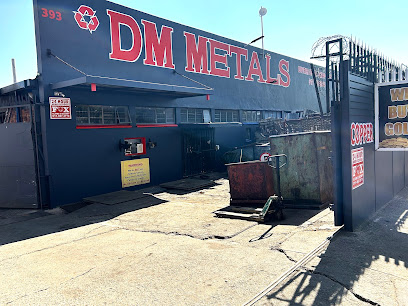
DM metals recycling is a Scrap metal dealer establishment in Johannesburg, Gauteng, South Africa
Johannesburg
Gauteng
South Africa
E-waste recycling and ITAD services in Johannesburg, Gauteng
In Johannesburg and the broader Gauteng region, e-waste recycling encompasses a range of services designed to responsibly manage electronic devices at end-of-life. Local providers typically offer secure collection, data destruction, refurbishment and the option to reuse viable equipment, as well as complete recycling of non-repairable items. A focus on environmentally responsible disposal means adherence to best practices for handling hazardous components, safe transport, and transparent reporting throughout the process.
Typical services include a secure collection or drop-off model, with sorting and asset inventory undertaken either at the customer site or at a designated facility. Collection may be offered on a scheduled basis for businesses or through one-off take-backs for households. Some operators provide certificates of destruction or data sanitisation documentation, which can support compliance requirements and enable chain of custody tracing for disposed assets. Recycling processes often separate materials such as plastics, glass, metals and circuit boards, while dangerous components—such as batteries, capacitors and certain aged displays—are treated according to environmental and safety standards.
IT asset disposal (ITAD) is a common part of the offering, addressing the lifecycle management of computers, servers, networking gear and peripherals. When feasible, refurbishment and reuse can extend the useful life of devices, with refurbishment typically prioritised for items that still meet performance criteria after professional cleaning and testing. Reusable units are usually subject to a controlled refurbishment workflow, with data sanitisation completed prior to any transfer or reallocation. For items deemed non-repairable, responsible recycling follows, ensuring materials are recovered and responsibly disposed of in accredited facilities.
Households and businesses are advised to prepare devices for collection or drop-off by removing personal information and securing data. This includes backing up important data where possible, signing out of accounts, performing factory resets, and removing SIM or SD memory cards. While these steps reduce risk, no claim is made about guarantees; the scope and effectiveness of data destruction depend on the service level and the methods employed by the provider.
Battery recycling is a key consideration, given the hazardous nature of many battery chemistries. Practitioners typically separate batteries for testing, safe handling and compliant recycling or disposal. Printer and cartridge recycling is commonly supported, with the option to return toners, cartridges and printer repairs or parts to minimise waste and conserve resources. In some cases, ancillary services are offered, such as device cleaning, asset tagging, and standalone data destruction for sensitive equipment.
Important practical considerations include documentation of the process, including chain of custody records, environmental compliance certificates and reporting. Turnaround times vary by workload, capacity and the scope of collection or destruction required. Businesses often benefit from a consolidated billing and reporting package, detailing items collected, quantities, applicable recycling pathways, and the final disposition of materials. Transparent communication helps customers understand what is recycled, what is refurbished, and how waste streams are managed in line with local regulations and international best practice.
In Johannesburg, reputable providers aim to align with South African environmental standards, provincial regulations, and industry guidelines relevant to e-waste, ITAD and data destruction. The emphasis remains on ensuring responsible disposal, safeguarding confidential information, and supporting the circular economy through refurbishment, reuse and efficient material recovery. For both households and organisations, choosing a service with clear processes, documented protections, and verifiable reporting can help achieve compliant, secure and environmentally sound outcomes.
- Accepted items commonly include computers, laptops, servers, networking equipment, monitors, printers and peripherals, mobile devices, and applicable household electronics.
- Hazardous components and batteries require careful handling and separate processing streams.
- Storage, transport and chain of custody should be evidenced by documentation and certificates of destruction or recycling.
Sorry, no records were found. Please adjust your search criteria and try again.
Sorry, unable to load the Maps API.