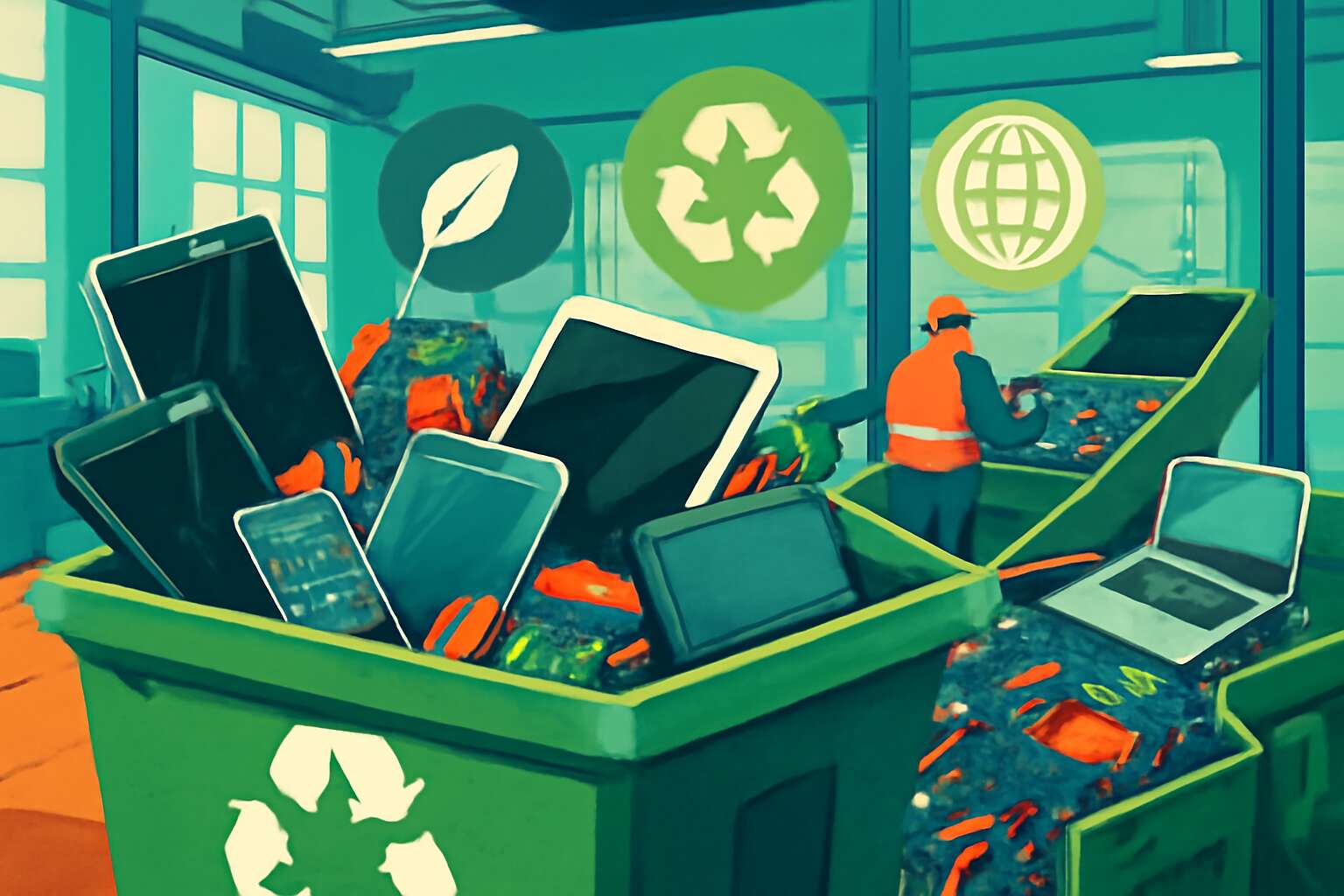
Understanding E-Waste Technology
What Is E-Waste?
Every year, over 50 million tonnes of e waste are discarded globally, a staggering figure that highlights the urgent need for better e waste technology. At its core, understanding what constitutes e waste is essential; it’s not just old mobile phones or broken computers but a complex mix of hazardous materials and valuable resources. E waste often contains rare metals like gold, silver, and palladium, yet it also harbours toxic substances such as lead and mercury that threaten both health and the environment.
Modern e waste technology aims to transform this digital detritus into a resource rather than waste. It involves innovative processes that safely extract precious metals and responsibly recycle plastics and other components. The goal is to minimise environmental impact while maximising resource recovery. By recognising the intricacies of e waste, industry leaders can develop sustainable solutions that preserve our planet’s natural wealth and reduce the burden of hazardous waste.
Emergence of E-Waste Technology
The emergence of e waste technology marks a pivotal shift in how we handle digital refuse. As global e waste volumes soar—over 50 million tonnes annually—innovative solutions are crucial. Modern e waste technology is about more than just disposal; it’s about transformation. Cutting-edge processes now focus on extracting valuable resources while neutralising hazardous materials.
One significant breakthrough is the development of specialised recycling methods that efficiently recover rare metals such as gold, silver, and palladium. These advancements make resource recovery more sustainable and economically viable. Industry leaders are also adopting environmentally responsible techniques to safely process plastics and other components. The evolution of e waste technology is driven by a realisation: what was once discarded as waste can now be a treasure trove of resources. This shift not only reduces environmental impact but also supports the circular economy, turning digital detritus into valuable assets.
Importance of E-Waste Management
Every year, millions of tonnes of electronic waste accumulate, yet beneath the clutter lies staggering potential. The importance of e waste technology extends beyond simple disposal; it’s about unlocking the hidden treasures within discarded devices. Proper management of e waste ensures that valuable materials like rare metals aren’t lost forever, but instead, are recovered and reintegrated into the economy.
In regions where waste management infrastructure is often fragile, innovative e waste technology offers a lifeline—transforming what was once considered useless into a resource of immense value. This shift not only minimises environmental harm but also supports sustainable development. For instance, specialised recycling processes now focus on extracting precious metals such as gold, silver, and palladium with unprecedented efficiency.
- Reduces environmental pollution by neutralising hazardous substances.
- Promotes resource conservation through recycling and reuse.
- Supports the circular economy—turning digital detritus into assets that benefit society.
Understanding the significance of e waste technology isn’t just about safeguarding our planet; it’s about recognising the potential to create a cleaner, more sustainable future where every piece of electronic waste is valued for its inherent worth.
Components and Types of E-Waste
Common Electronic Waste Items
As the world accelerates its digital revolution, e waste technology has become pivotal in managing the surge of electronic waste. The components within e-waste are a complex mosaic of valuable and hazardous materials, demanding innovative recycling solutions. From the intricate circuit boards to the delicate glass screens, each element plays a vital role in the lifecycle of electronic devices.
Understanding the components and types of e-waste is essential for developing effective e waste technology. Common electronic waste items include obsolete smartphones, broken laptops, defunct televisions, and ageing printers. These items often contain a mixture of metals like gold, silver, and copper, alongside toxic substances such as lead and mercury. Proper categorisation of these waste streams helps in designing specialised recycling processes that recover precious materials while safely disposing of hazardous components.
Some of the most prevalent electronic waste items encountered today are:
- Mobile phones and tablets
- Computers and peripherals
- Television sets and monitors
- Small household appliances like microwaves and toasters
By advancing e waste technology, industries are now able to extract maximum value from discarded electronic items, transforming what was once considered waste into a resource treasure trove. This approach not only reduces environmental harm but also promotes sustainability in an increasingly tech-dependent world.
Hazardous Components in E-Waste
The intricate composition of e-waste presents both a challenge and an opportunity for e waste technology to shine. At its core, e-waste consists of a complex mosaic of components, some of which are incredibly valuable, while others pose significant environmental hazards. Understanding the hazardous components in e-waste is crucial for developing innovative recycling methods that safeguard our planet. Many electronic devices contain toxic substances such as lead, mercury, cadmium, and brominated flame retardants—elements that can wreak havoc on ecosystems and human health if not properly managed.
Within the realm of e waste technology, specialised processes are designed to target these hazardous components for safe disposal or detoxification. For example, the presence of lead in old cathode ray tubes (CRTs) and mercury in fluorescent screens demands careful separation techniques. Conversely, valuable materials like gold, silver, and copper are extracted through advanced recovery systems, turning waste into a resource goldmine.
- Lead-based components in older televisions and monitors
- Mercury in fluorescent lamps and switches
- Cadmium in rechargeable batteries and some circuit boards
By focusing on the specific types and hazardous components of e-waste, e waste technology enables a sustainable approach that minimises environmental impact while maximising material recovery. It’s a delicate dance of innovation and responsibility—an essential step towards a greener future in our increasingly digital world.
Types of E-Waste Technologies
Components and types of e-waste form a sprawling mosaic of technological relics, each with its own story and peril. From the sleek smartphones that connect us to the vast digital universe to the bulky CRT monitors that once dazzled with vibrant images, e-waste embodies the rapid evolution of our digital age. Within this intricate tapestry lie both treasures and toxins—precious metals like gold and silver nestled among hazardous substances such as lead and mercury.
Understanding the various e-waste types is crucial for deploying effective e waste technology. These include discarded computers, household appliances, batteries, and lighting fixtures—each demanding specialised processing methods. For example, e waste technology employs sophisticated techniques like hydrometallurgy and pyrometallurgy to extract valuable materials while ensuring hazardous components are safely handled and detoxified. The goal? Transforming waste into resource, minimising environmental harm, and seamlessly weaving innovation into the fabric of sustainability.
Innovations in E-Waste Recycling Technologies
Mechanical Recycling Methods
In the shadowed corridors of innovation, e waste technology has begun to wield the power of mechanical recycling methods, transforming the discarded remnants of our digital age into tangible hope. These methods, often overlooked, serve as the skeleton key to unlocking the potential hidden within electronic refuse. By employing techniques such as shredding, crushing, and sorting, engineers can extract valuable metals and components with uncanny precision—an almost alchemical process that breathes new life into what was deemed obsolete.
What makes mechanical recycling truly compelling is its ability to dismantle complex electronic devices without the need for hazardous chemicals. It’s a dance of gears and blades, where the debris of our technological excess is carefully separated into constituent parts. This process not only diminishes the environmental footprint but also enhances the efficiency of e waste technology, enabling the recovery of precious resources that would otherwise vanish into the abyss of landfills.
Chemical Recycling Processes
While mechanical recycling continues to impress with its ingenuity, a new frontier in e waste technology is emerging—chemical recycling processes. These methods are like alchemy for electronic waste, transforming discarded devices into pure, reusable materials through complex chemical reactions. Far from the mundane crushing and sorting, chemical recycling targets the very molecules—breaking down plastics, polymers, and even hazardous compounds into their base elements.
This innovative approach offers a promising solution to recover rare earth metals and hazardous chemicals that often evade traditional methods. By employing techniques such as solvent-based separation and pyrolysis, engineers are unlocking previously inaccessible resources buried deep within e waste. It’s a game-changer for sustainability, turning what was once considered hazardous trash into a treasure trove of valuable raw materials.
In essence, these advancements in e waste technology are paving the way for a future where electronic refuse doesn’t just end up in landfills but becomes a catalyst for a circular economy. As the industry evolves, chemical recycling processes stand at the forefront, promising a cleaner planet and a more efficient way to handle our digital debris. Truly, the evolution of e waste technology is nothing short of revolutionary—an intricate dance of science and sustainability.
Advanced Manual Disassembly Techniques
In the relentless quest to tame electronic waste, innovations in e waste technology are pushing the boundaries of manual disassembly. This meticulous approach involves skilled technicians painstakingly separating components to maximise recovery rates and minimise environmental impact. Unlike automated processes, advanced manual disassembly offers precision—perfect for delicate parts and hazardous components that require careful handling.
By employing specialised tools and techniques, workers can extract valuable materials such as rare earth metals and precious plastics more effectively. This process not only extends the lifecycle of electronic components but also enhances the efficiency of subsequent recycling stages. In fact, some facilities are now integrating e waste technology with robotic assistance, creating a hybrid that combines human expertise with machine precision.
- Careful removal of hazardous substances
- Selective extraction of high-value materials
- Preparation of components for advanced recycling methods
As the industry evolves, these manual disassembly techniques are becoming increasingly sophisticated, revealing the hidden potential within discarded devices. It’s a vital piece of the puzzle in building a sustainable future—where electronic waste transforms from environmental menace to valuable resource.
Emerging Automated Recycling Solutions
In a world where electronic waste is projected to reach 74 million tonnes by 2030, the urgency to revolutionise e waste technology cannot be overstated. Emerging automated recycling solutions are at the forefront of this shift, promising to elevate efficiency and safety in handling complex devices. These innovations harness sophisticated robotics and AI-driven systems that can identify, disassemble, and extract valuable materials with unprecedented precision.
Unlike traditional manual methods, automated e waste recycling solutions reduce human exposure to hazardous substances and streamline the recovery process. For example, state-of-the-art conveyor systems and laser separation techniques enable quick sorting of components, while advanced sensors detect high-value materials such as rare earth metals. This technological leap not only accelerates recycling cycles but also minimises environmental impact by ensuring meticulous separation of toxic substances.
By integrating these cutting-edge solutions, the industry moves closer to a circular economy, turning discarded electronics into a resource treasure trove. As e waste technology continues to evolve, it becomes clear that automation isn’t just a convenience—it’s a moral imperative for sustainable, responsible e-waste management.
Role of Technology in E-Waste Traceability and Certification
Blockchain for E-Waste Tracking
In the labyrinthine world of e waste technology, ensuring traceability has become the Achilles’ heel—and the ultimate salvation—of responsible disposal. Cutting-edge innovations harness the power of blockchain for e waste tracking, transforming what was once a murky process into a transparent, tamper-proof ledger. This technological marvel guarantees that every discarded gadget’s journey from consumer to recycler is meticulously documented, thwarting illegal dumping and ensuring proper recycling standards are met.
Blockchain for e waste tracking introduces an unprecedented level of accountability, empowering stakeholders with verifiable data at each stage. The real beauty lies in its decentralised nature: no single entity holds sway over the record, rendering fraud and misreporting nearly impossible. As a result, it bolsters consumer confidence and regulatory compliance alike. This synergy of e waste technology and blockchain not only streamlines compliance but also elevates the entire ecosystem’s integrity, making the nightmare of unmanaged e waste a relic of the past.
- Enhanced transparency through immutable records
- Improved compliance with environmental regulations
- Reduced illegal e waste disposal practices
Digital Certification and Compliance
In the age of rapid tech obsolescence, tracking e waste has become a game of high-stakes espionage—minus the spy gadgets. Technology in e waste management is evolving at breakneck speed, transforming what used to be a chaotic scramble into a meticulously monitored process. Digital certification and compliance systems are now the backbone of responsible e waste technology, offering a reliable way to verify that discarded electronics are handled properly.
By leveraging advanced tracking tools, organisations can ensure that each device’s journey from consumer to recycler is logged with precision. These systems incorporate features like tamper-proof digital certificates, which act as a kind of electronic badge of honour confirming adherence to environmental regulations. The result? A transparent, auditable trail that makes illegal dumping not just frowned upon but practically impossible. No more muddy footprints—just clear, verifiable data that elevates accountability and compliance in the e waste ecosystem.
For instance, some innovative platforms use blockchain technology to create decentralised records, ensuring data integrity and reducing fraud. This seamless integration of e waste technology and digital certification makes regulatory compliance straightforward and boosts stakeholder confidence. Ultimately, embracing these tech-driven solutions transforms e waste management from a necessary evil into an industry of integrity—because when it comes to e waste, transparency isn’t just desirable; it’s essential.
Software Solutions for E-Waste Management
Innovations in e waste technology are transforming the way we track and certify electronic waste, making the process more transparent and tamper-proof than ever before. Advanced software solutions now enable organisations to create a seamless digital trail, ensuring each device’s journey from disposal to recycling is meticulously documented. This level of traceability not only boosts accountability but also deters illegal dumping, safeguarding our environment from hazardous consequences.
One of the most compelling developments is the integration of blockchain technology into e waste management systems. By decentralising records, blockchain ensures data integrity and reduces the risk of fraud, creating a trustworthy record of e waste handling. These cutting-edge tools make regulatory compliance straightforward, elevating industry standards and stakeholder confidence alike.
To streamline operations further, some platforms utilise innovative features such as tamper-proof digital certificates—electronic badges that verify proper e waste disposal. These solutions exemplify how e waste technology is evolving into an industry of integrity and transparency. Embracing such advances is no longer optional; it’s essential for responsible e waste management in an increasingly digitised world.
Environmental and Health Impacts of E-Waste Technologies
Reducing Toxic Waste Through Technology
Electronic waste, or e waste, might just be the silent assassin of our planet — releasing toxic chemicals that threaten both ecosystems and human health. As we drown in gadgets and gizmos, outdated devices often contain hazardous components like lead, mercury, and cadmium, which can leach into soil and water, wreaking havoc on wildlife and communities alike. Fortunately, innovative e waste technology is stepping up, aiming to reduce the toxic waste footprint of our digital addiction.
Recent advancements focus on minimising environmental and health impacts through smarter recycling processes and safer disposal methods. Cutting-edge e waste technology now employs sophisticated techniques to isolate and neutralise dangerous substances before they escape into the environment. For example, some systems use chemical recycling processes that transform hazardous materials into benign compounds, effectively reducing toxic waste. This approach not only prevents soil and water contamination but also improves worker safety during dismantling. It’s a win-win scenario: protecting our planet while unlocking valuable materials trapped inside obsolete electronics.
Worker Safety and Health
Electronic waste, or e waste, poses a significant threat to both our environment and human health. As outdated devices pile up, the hazardous components within them—such as lead, mercury, and cadmium—can leach into soil and water sources, contaminating ecosystems and endangering communities. Thankfully, recent advancements in e waste technology are making a real difference by prioritising safer disposal methods and smarter recycling processes.
One of the most critical aspects of e waste technology is protecting worker safety and health during dismantling and recycling. Workers often face exposure to toxic substances without proper safeguards, risking serious health issues. Innovative systems now incorporate automated disassembly and chemical recycling techniques that isolate dangerous materials before they can escape into the environment. These advancements help ensure that those handling e waste are protected, reducing occupational hazards.
- Implementing closed-loop recycling systems
- Using chemical neutralisation to handle hazardous components
- Employing automated machinery to limit human contact with toxic substances
By integrating such e waste technology, industries can significantly diminish the toxic waste footprint while simultaneously unlocking valuable raw materials trapped inside obsolete electronics. Protecting our planet and the people who work with e waste has never been more crucial, and these technological innovations are leading the charge towards a safer, cleaner future.
Minimizing Environmental Footprint
Amidst the swirling tide of electronic waste, the impact on our environment and health is both profound and urgent. Nearly 50 million tonnes of e waste are generated globally each year, a staggering testament to our modern obsession with innovation. Fortunately, advancements in e waste technology are paving a path towards a more sustainable future. These innovations are not only reducing the environmental footprint but also safeguarding communities from hazardous exposure.
Modern e waste technology employs sophisticated methods such as chemical neutralisation and automated disassembly to minimise toxic emissions. By isolating dangerous components like mercury and cadmium before they escape into the ecosystem, industries can drastically diminish their toxic waste footprint. This approach aligns with the growing emphasis on responsible e waste management, ensuring that precious raw materials are recovered and reused, rather than buried in landfills.
Implementing these cutting-edge solutions signifies a pivotal shift—transforming e waste from a peril into a resource. As technology continues to evolve, so does our ability to protect the planet and those who handle these materials. The fusion of innovation and environmental consciousness heralds a brighter, cleaner future driven by intelligent e waste technology.
Challenges and Future Developments in E-Waste Technology
Technology Adoption Barriers
Despite the remarkable strides in e waste technology, numerous challenges hinder its widespread adoption. Outdated infrastructure, limited awareness, and financial constraints often act as formidable barriers for many regions striving to improve e-waste management. Moreover, the complexity of modern electronic devices, which contain hazardous components and valuable recoverable materials, demands sophisticated solutions that are not yet universally accessible.
Looking ahead, future developments in e waste technology promise to revolutionise recycling processes. Innovations such as artificial intelligence-driven sorting systems and enhanced chemical recycling methods are poised to increase efficiency and safety. However, overcoming adoption barriers remains crucial. Resistance to change within industries, regulatory delays, and insufficient investment can slow down progress. To accelerate the transition, stakeholders must address these hurdles through coordinated efforts and policy reforms.
- Enhance technological accessibility through affordable, scalable solutions.
- Foster global collaboration to develop unified standards for e waste technology.
- Encourage investment in research and development to overcome current limitations.
As the world grapples with mounting e-waste volumes, embracing advanced e waste technology is vital. Only then can we unlock the full potential of sustainable electronic waste management—reducing environmental impact and safeguarding human health for generations to come.
Cost-Effective Solutions
Despite the rapid advancements in e waste technology, significant challenges remain on the path to widespread implementation. The high costs associated with developing and deploying sophisticated recycling solutions often deter regions with limited financial resources. Outdated infrastructure further complicates efforts, making seamless integration of cutting-edge e waste technology a distant dream for many communities. Overcoming these obstacles requires innovative, cost-effective solutions that can be scaled to diverse contexts.
Looking to the horizon, future developments in e waste technology hold the promise of transforming electronic waste management entirely. Breakthroughs such as AI-powered sorting systems and more efficient chemical recycling methods are expected to revolutionise the way we recover valuable materials and neutralise hazardous components. To accelerate progress, it’s essential to foster global collaboration, develop unified standards, and encourage increased investment in research and development. Only through these concerted efforts can e waste technology truly reach its full potential, reducing environmental impact and safeguarding health for generations to come.
Addressing the current limitations of e waste technology is not just a technical challenge but a collective endeavour. Innovative approaches must focus on providing affordable, scalable solutions that can be adopted worldwide. By bridging the gap between technological potential and practical application, we can unlock new levels of efficiency in e waste management—ensuring a sustainable future in a world increasingly burdened by electronic waste.
Innovations on the Horizon
Despite promising innovations, e waste technology still faces a daunting mountain of challenges. High development costs and outdated infrastructure make it difficult for many regions to adopt state-of-the-art recycling solutions. Without affordable, scalable options, the dream of effective e waste management remains just that—a dream. The real trick is creating cost-effective solutions that can be tailored to diverse communities without breaking the bank.
Looking ahead, the future of e waste technology is brimming with potential. Breakthroughs such as AI-powered sorting systems, which can differentiate precious metals from hazardous components faster than you can say “circuit board,” are on the horizon. Chemical recycling methods are also becoming more efficient, promising to recover maximum value from discarded electronics while neutralising toxic substances.
- Smart manual disassembly techniques
- Automated robotic recycling solutions
- Enhanced material recovery processes
To truly harness these advancements, global collaboration and unified standards are essential. Only then can we elevate e waste technology from experimental curiosity to everyday reality—reducing environmental impact and shielding public health. The road is long, but with continued innovation and investment, the transformation from waste to resource is well within reach—if we can navigate the hurdles ahead!
Case Studies and Success Stories
Leading Countries Innovating in E-Waste Tech
When it comes to pioneering e waste technology, some countries are truly leading the charge—transforming what was once considered hazardous trash into treasure. South Korea, for example, has developed a cutting-edge automated recycling system that reduces manual disassembly by over 70%, making e waste management faster and safer. Meanwhile, Switzerland’s innovative approach combines blockchain with digital certification to ensure transparency and accountability in e waste tracking, setting global standards for responsible disposal.
In the United States, success stories abound—particularly with the rise of software solutions that optimise collection routes and streamline hazardous waste handling. Not to be outdone, Japan’s investment in advanced manual disassembly techniques exemplifies how meticulous craftsmanship can tackle complex e waste components, such as lithium batteries and rare earth magnets.
Leading countries are not only pioneering groundbreaking e waste technology but are also creating a blueprint for others to follow. Their innovations prove that with ingenuity and commitment, the recycling of electronic waste can become more efficient, eco-friendly, and ultimately, a vital part of a sustainable future.
Successful E-Waste Recycling Initiatives
Across the globe, success stories in e waste technology are transforming the landscape of electronic waste management. In South Korea, a pioneering automated recycling system has slashed manual disassembly by over 70%, drastically improving safety and efficiency. This breakthrough not only accelerates the recycling process but also reduces hazardous exposure for workers, exemplifying how innovative e waste technology can save lives.
Meanwhile, Switzerland’s utilisation of blockchain combined with digital certification has set a new standard in e waste tracking. This transparent approach ensures responsible disposal and enhances accountability, inspiring other nations to adopt similar e waste technology solutions. In the United States, software-driven optimisation of collection routes has saved millions in operational costs, proving that digital solutions are crucial in modern e waste management. Japan’s meticulous manual disassembly techniques demonstrate that skilled craftsmanship still plays a vital role in handling complex components such as lithium batteries and rare earth magnets.
- South Korea’s automated recycling systems
- Switzerland’s blockchain for e waste tracking
- US software solutions for collection efficiency
- Japan’s manual disassembly for complex components
These success stories highlight that the future of e waste technology is not just about innovation but also about creating sustainable, responsible models that others can emulate. Each breakthrough pushes the boundaries of what’s possible, turning electronic waste from a growing menace into a resource for tomorrow’s green economy.
Industry Leaders and Technological Advances
Industry leaders worldwide are redefining the future of e waste technology. Their innovative approaches show that sustainability and efficiency go hand in hand. For instance, in South Korea, automated recycling systems have revolutionised e waste management. These systems reduce manual disassembly by over 70%, significantly improving worker safety and operational speed. Such technological advances demonstrate that automation can transform e waste recycling, making it safer and more sustainable.
Meanwhile, Switzerland’s pioneering use of blockchain for e waste tracking exemplifies transparency and accountability. This digital certification system ensures responsible disposal, inspiring global adoption. In the US, software solutions optimise collection routes, saving millions in costs annually. These success stories underscore how technological advances in e waste technology are shaping smarter, greener waste management models.
- South Korea’s automated recycling systems
- Switzerland’s blockchain for e waste tracking
- US software solutions for collection efficiency
- Japan’s manual disassembly techniques for complex components
Each example highlights that embracing e waste technology isn’t just about innovation — it’s about creating responsible, sustainable models that turn electronic waste into a resource. Industry leaders continue to push the boundaries, demonstrating the power of technology to reshape the e waste landscape.

0 Comments