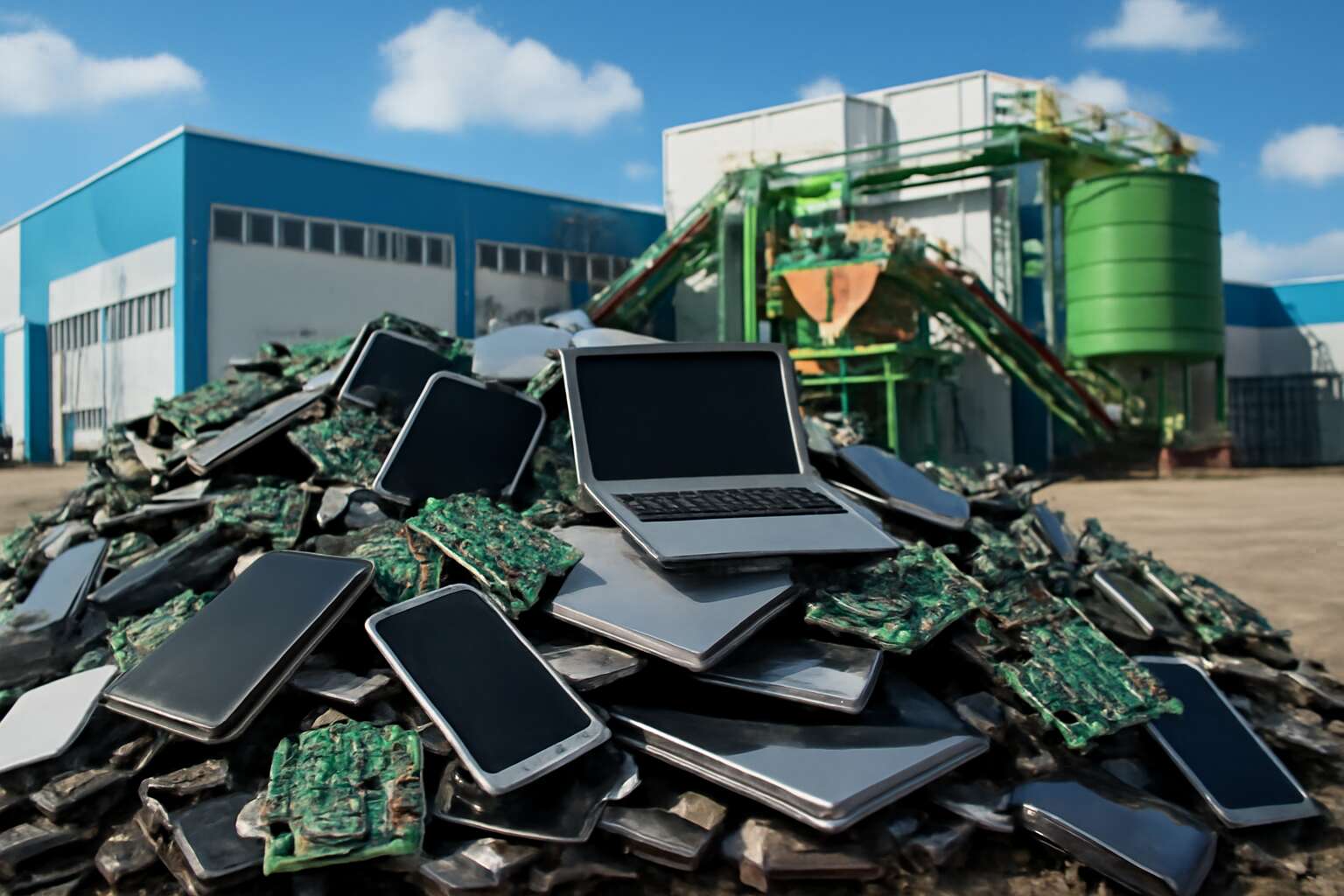
Understanding E-Waste 2.0
Definition and Evolution of E-Waste – Exploring the transition from traditional e-waste to E-Waste 2.0
Understanding e-waste 2.0 reveals a transformative shift in how we perceive and manage electronic waste. Unlike traditional e-waste, which was largely seen as a disposal issue, e waste 2.0 embodies a comprehensive approach that emphasizes sustainability, recycling innovation, and digital responsibility. It’s a concept rooted in the rapid evolution of technology—where devices are not just discarded but repurposed, refurbished, and integrated into circular economies.
Historically, e-waste referred to discarded electronic devices that often ended up in landfills, creating environmental hazards and health risks. However, e waste 2.0 marks an evolution—moving beyond simple disposal towards a systemic overhaul that incorporates advanced recycling techniques, traceability, and data security. This transition reflects a global awareness that our electronic footprint must be managed with ingenuity and foresight.
To grasp this evolution fully, consider these key aspects of e waste 2.0:
- Enhanced recycling technologies that recover rare and precious metals
- Strategies for extending device lifespan through refurbishment and reuse
- Integration of digital tracking systems to ensure responsible disposal
This new paradigm signifies more than just handling electronic waste; it’s about redefining our relationship with technology and fostering a sustainable future. As South Africa navigates this shift, understanding e waste 2.0 becomes essential for stakeholders committed to environmental stewardship and innovative resource management. The era of simple disposal is fading—welcome to the age of e waste 2.0!
What Differentiates E-Waste 2.0 from Previous Generations – Key features and innovations
Understanding e waste 2.0 requires us to look beyond the surface of discarded electronics and recognize a profound shift in how we approach environmental responsibility. This new wave of electronic waste management is driven by innovation and a deeper awareness of our digital footprint. Unlike the traditional view, which saw e-waste simply as a disposal problem, e waste 2.0 embodies a holistic strategy that prioritizes sustainability and resource efficiency.
Key features that distinguish e waste 2.0 from earlier generations include advanced recycling technologies capable of recovering rare and precious metals, significantly reducing the need for mining new resources. Furthermore, the integration of digital tracking systems ensures responsible disposal and enhances traceability throughout the lifecycle of electronic devices. These innovations foster a circular economy—where devices are refurbished, reused, and repurposed instead of ending up in landfills.
- Enhanced recycling processes that maximize material recovery
- Strategies for extending device lifespan through refurbishment and reuse
- Implementation of digital tracking to ensure transparency and accountability
For South Africa, embracing e waste 2.0 is more than an environmental imperative; it’s a chance to lead in innovative resource management. This paradigm shift not only reduces ecological harm but also opens avenues for economic growth and social development—transforming waste into opportunity with every recycled component and refurbished device. Welcome to an era where electronic waste is no longer a burden but a catalyst for sustainable progress!
The Components of E-Waste 2.0
Smart Devices and IoT Gadgets – The rise of interconnected electronics
In the realm of E-Waste 2.0, the components of smart devices and IoT gadgets reveal a new frontier—one filled with both innovation and peril. As these interconnected devices become more sophisticated, their internal architecture grows increasingly complex, encompassing a mix of rare metals, plastics, and hazardous substances. This intricate blend makes e waste 2.0 not just a disposal challenge but a potential environmental crisis if mishandled.
Smart devices and IoT gadgets are powered by a constellation of tiny, yet vital, components. From microprocessors and sensors to batteries and circuit boards, each plays a crucial role in the device’s functionality. The rapid proliferation of these devices means that their components are often packed with:
- Precious metals like gold, silver, and palladium
- Hazardous substances such as lead, mercury, and cadmium
- Rare earth elements essential for magnets and screens
Understanding these components underscores the significance of managing e waste 2.0 responsibly. The interconnected nature of these devices amplifies the challenge—once discarded, these components can leach toxins into the environment, especially if not processed correctly. As we dive deeper into the era of interconnected electronics, the stakes for proper e waste recycling have never been higher.
Data-Driven E-Waste – Impact of data storage and cloud services
In the shadowy realm of E-Waste 2.0, data storage and cloud services have become silent giants, fueling our digital age with an insatiable hunger for space. As our devices generate and transmit vast oceans of information, they rely on intricate components that often contain hazardous substances and rare metals. These elements, vital to the seamless operation of interconnected devices, are also the source of growing concern when discarded improperly.
Modern e waste 2.0 is not just about physical components—it’s also about the invisible layers of data that accumulate within our devices. Data centers, cloud servers, and smart gadgets store vast amounts of information, making e-waste management a complex dance of both physical and digital cleanup. The delicate balance between technological advancement and environmental safety hinges on understanding the components that comprise this digital tapestry.
- Microprocessors embedded with precious metals like gold and palladium.
- High-capacity batteries containing hazardous substances such as mercury and cadmium.
- Memory chips and circuit boards packed with rare earth elements vital for screens and magnets.
From the shimmering circuits laden with toxins to the unseen data that fuels our lives, managing e waste 2.0 requires a nuanced approach—one that respects the technological marvels while safeguarding our environment. The intersection of data and disposal is where the future of responsible e-waste recycling takes root, especially in regions like South Africa, where rapid technological growth demands vigilant stewardship.
Advanced Manufacturing Waste – Emerging electronic components causing disposal challenges
As our gadgets become smarter and more interconnected, a new breed of e-waste 2.0 has emerged—one that’s far from your average discarded phone. These advanced manufacturing waste components challenge our disposal systems with their complex makeup and hazardous nature. From microprocessors embedded with precious metals like gold and palladium to high-capacity batteries riddled with toxins such as mercury and cadmium, the modern e-waste 2.0 landscape is anything but straightforward.
What makes these components so tricky? Well, for starters, many contain rare earth elements essential for the latest screens, magnets, and miniature gadgets. Managing this digital debris demands a nuanced approach—one that recognizes the value of these materials while respecting the environmental risks they pose when improperly disposed of.
- Microprocessors with embedded precious metals
- High-capacity batteries laden with hazardous substances
- Memory chips and circuit boards packed with rare earth elements
These emerging electronic components are the new challenge in the fight against e waste 2.0, forcing us to rethink recycling and disposal strategies. After all, in a world obsessed with innovation, the only thing that shouldn’t be innovative is how we handle our digital trash!
Environmental and Social Impact of E-Waste 2.0
Toxic Waste and Pollution – Hazardous materials in modern electronics
In the shadowy depths of our digital revolution, e waste 2.0 emerges not merely as a logistical challenge but as a profound environmental and social crucible. The toxic waste embedded within modern electronics often conceals hazardous materials—lead, mercury, cadmium—that seep into soil and water, threatening ecosystems and human health alike. This silent infiltration is particularly devastating in regions like South Africa, where informal recycling practices often lack the safeguards necessary to contain these poisons.
Beyond the ecological toll, the social impact of e waste 2.0 is equally insidious. Communities are exposed to dangerous toxins, resulting in health crises that ripple through generations. The proliferation of hazardous materials in disposal processes exacerbates inequalities, disproportionately affecting vulnerable populations. As we grapple with the relentless growth of e waste 2.0, understanding the intricate dance between technological innovation and its darker environmental footprints becomes imperative—especially in areas where regulation remains a work in progress.
Data Security Concerns – Risks associated with improper disposal of data-driven devices
As we cruise deeper into the digital age, the risks tied to e waste 2.0 become increasingly apparent—especially when it comes to data security. Every smartphone, tablet, or IoT gadget holds a treasure trove of sensitive information. Improper disposal of these devices isn’t just an environmental faux pas; it’s a cybersecurity nightmare waiting to happen. Imagine a hacker rummaging through discarded devices, unearthing personal data, financial details, or corporate secrets. Scary, right?
In regions like South Africa, where e waste 2.0 often ends up in informal recycling setups, the danger multiplies. Without strict protocols, the risk of data breaches skyrockets, exposing vulnerable communities to identity theft and fraud. To make matters worse, many don’t realize that data can survive even in seemingly “dead” electronics. That’s why data destruction should be a top priority in responsible e waste management.
Consider this: improper disposal of data-driven devices can lead to:
- Unauthorized access to confidential information
- Identity theft and financial fraud
- Corporate espionage
In the rush to clear out old tech, neglecting data security can turn e waste 2.0 into a Trojan horse—bringing chaos instead of clean recycling. As e waste 2.0 continues to evolve, integrating smarter data destruction protocols is no longer optional. It’s a safeguarding measure that protects both people and the planet.
Global E-Waste dumping and its consequences – Impact on vulnerable communities
Global e-waste dumping has reached alarming levels, with over 53.6 million metric tons generated worldwide in 2021 alone. This surge heavily impacts vulnerable communities, especially in regions like South Africa. Informal recycling setups often lack proper safety measures, exposing workers and residents to toxic chemicals and hazardous waste. These communities bear the brunt of improper e waste 2.0 disposal, facing health risks from heavy metals and persistent organic pollutants.
In many cases, e-waste is dumped in landfills or burned openly, releasing toxins into the environment. This leads to soil and water contamination that can devastate local ecosystems. Children and low-income families living near these sites are most at risk, often suffering from respiratory issues, skin conditions, and long-term health complications. The cycle of neglect perpetuates environmental degradation and social inequality, making e waste 2.0 a pressing global concern.
Innovations in E-Waste Management for E-Waste 2.0
Recycling Technologies – Advanced methods for breaking down complex electronics
Innovations in e-waste management are propelling us into an era where traditional recycling methods no longer suffice. The advent of E-Waste 2.0 introduces advanced techniques designed to dismantle complex electronics efficiently and sustainably. These breakthroughs are not just about breaking down devices—they’re about unlocking the hidden potential within discarded gadgets.
One remarkable development is the deployment of chemical and enzymatic processes that selectively target hazardous components, ensuring safer disposal and resource recovery. In South Africa, where electronic waste volumes surge, these innovations are crucial. They enable the separation of precious metals from intricate circuit boards with greater precision, reducing environmental impact and conserving valuable resources.
Furthermore, innovations in automated sorting systems leverage AI-powered robotics, streamlining the identification and separation of various electronic components. This not only accelerates recycling processes but also minimizes human exposure to toxic substances. As E-Waste 2.0 continues to evolve, these cutting-edge methods promise to revolutionize how we view electronic waste—transforming it from a disposal problem into a treasure trove of raw materials.
Circular Economy Models – Design strategies for sustainability
In the quest for a sustainable future, innovations in e-waste management are taking bold strides, shaping the landscape of E-Waste 2.0. This new era emphasizes circular economy models that prioritize design strategies for sustainability, transforming electronic waste from a mounting problem into a valuable resource. By integrating eco-conscious design principles, manufacturers are now developing gadgets that are easier to disassemble, repair, and upgrade—reducing the volume of e waste 2.0 and conserving vital resources.
These advancements are complemented by cutting-edge recycling technologies that harness automated sorting systems and AI-driven robotics. Such systems enable precise separation of electronic components, ensuring that precious metals and rare earth elements are recovered efficiently. In South Africa, where e waste volumes are soaring, these innovations are vital for curbing environmental impact and fostering responsible disposal practices.
Furthermore, the adoption of innovative design strategies—like modular electronics and biodegradable components—embodies a revolutionary approach to e-waste 2.0. This proactive stance not only supports sustainability but also cultivates a circular economy that keeps valuable materials circulating, rather than ending up in landfills. As these transformative methods continue to evolve, they promise to redefine how we think about electronic devices, turning discarded gadgets into catalysts for environmental renewal.
Digital Tracking and Certification – Using blockchain and IoT for transparent disposal
In the shadowy realm of E-Waste 2.0, transparency isn’t just a buzzword—it’s the new battleground. Using blockchain technology and IoT devices, innovators are pioneering digital tracking systems that illuminate every stage of electronic waste disposal. This isn’t just about accountability; it’s about creating an unbreakable chain of custody that guarantees responsible recycling and refurbishing.
Imagine a world where every discarded gadget has a digital passport, recorded securely on a blockchain ledger. This approach ensures that e waste 2.0 is traced from the moment it leaves the consumer to its final recycling point, preventing illegal dumping and unsafe disposal practices. IoT sensors embedded in collection points transmit real-time data, providing transparency and fostering trust among stakeholders.
South Africa, with its soaring e waste volumes, stands to benefit immensely from these innovations. By integrating these cutting-edge systems, local authorities and recycling firms can authenticate proper disposal efforts, minimize environmental impact, and uphold data security. As e waste 2.0 continues to evolve, embracing digital tracking and certification becomes not just an option but a necessity—transforming waste management from a clandestine activity into a visible, accountable process. This is the future of responsible e-waste handling, where technology turns the tide against environmental degradation.!
Government Policies and Regulations for E-Waste 2.0
Global Standards and Agreements – EU WEEE Directive, Basel Convention updates
Amidst the tumult of technological revolution, governments worldwide are forging a formidable shield of policies and regulations to tame the rising tide of e waste 2.0. In South Africa, legislative frameworks are increasingly aligning with international standards, recognizing that responsible disposal and recycling are not mere obligations but moral imperatives. The EU WEEE Directive stands as a pinnacle of this effort, mandating producers to take accountability for the lifecycle of their electronic marvels, from cradle to grave. Such directives underscore the necessity of transparency and sustainable design, steering industries toward eco-conscious innovation.
Meanwhile, the Basel Convention receives continual updates, expanding its reach to curtail the hazardous export of e waste 2.0 into vulnerable regions. These agreements are not static; they evolve, reflecting the dynamic landscape of electronic waste management. By enforcing strict regulations on transboundary movements and emphasizing environmentally sound disposal methods, these treaties aim to dismantle the archaic practice of dumping e waste into developing nations, ensuring a safer, cleaner future for all communities caught in the web of electronic waste’s sprawling impact.
Country-Specific Regulations – Comparison of policies worldwide
Across the globe, governments are stepping up with robust policies to combat the dark shadow of e waste 2.0. In South Africa, new regulations are increasingly aligning with international standards, reflecting a shared commitment to responsible e-waste management. Countries like the United States, Australia, and the European Union have established comprehensive frameworks that mandate producers’ accountability, emphasizing eco-conscious design and transparent disposal processes.
For example, South Africa’s e-waste legislation mandates that manufacturers and importers register their devices and participate in formal recycling schemes. Meanwhile, countries such as India and China have implemented strict bans on the illegal export of e waste 2.0, aiming to protect vulnerable communities from hazardous exposure. These varying policies often feature:
- Mandatory registration and reporting requirements
- Extended producer responsibility (EPR) schemes
- Restrictions on transboundary e-waste movement
- Standards for environmentally sound disposal methods
As the landscape evolves, international cooperation becomes essential. Comparing policies reveals a patchwork of approaches, but the common thread remains: a fierce drive toward sustainable electronic waste management, ensuring that e waste 2.0 does not become a modern plague on society and the environment.
Legislation for Data Security and Recycling – Legal obligations for E-Waste 2.0
Governments worldwide are weaving a complex tapestry of policies to tame the shadowy growth of e waste 2.0. In South Africa, legislation now emphasizes the critical importance of data security alongside environmental responsibility, recognizing that modern e-waste carries not just toxic substances but also sensitive information. Legal obligations for e waste 2.0 have evolved into a multifaceted mandate, compelling manufacturers and disposal entities to adhere to strict recycling protocols while safeguarding data integrity.
At the heart of these regulations lies an unwavering commitment to transparency and accountability. South African laws now require entities engaged in e waste 2.0 management to track devices from cradle to grave, employing innovative digital tracking systems. This ensures that hazardous components are safely dismantled and disposed of, preventing illegal dumping and environmental pollution. Moreover, compliance with data security standards is no longer optional; it is woven into the legal fabric that governs e-waste handling, protecting consumers from the perils of identity theft and data breaches.
In the global arena, policies often feature
- mandatory registration and reporting requirements
- extended producer responsibility (EPR) schemes
- restrictions on transboundary e-waste movement
to strengthen the chain of custody and environmental stewardship. These legal frameworks embody a shared resolve—an unyielding drive to ensure that e waste 2.0 is managed with precision, accountability, and ecological mindfulness, especially as digital and electronic landscapes intertwine ever more tightly with our daily lives.
Consumer Responsibilities and Best Practices
Safe Disposal and Recycling – How consumers can contribute
In the realm of E-Waste 2.0, the power to shape a sustainable future lies directly in the hands of consumers. Every discarded smartphone, outdated laptop, or obsolete IoT device has the potential to either harm or heal our environment. As custodians of this digital age, our responsibilities extend beyond mere usage; they encompass thoughtful disposal and conscientious recycling.
Taking an active role in e waste 2.0 means embracing best practices that prioritize safety and environmental integrity. Consumers can contribute significantly by choosing certified e-waste recyclers who employ advanced recycling technologies, ensuring complex electronic components are broken down without releasing harmful toxins. Moreover, supporting initiatives that promote digital tracking and certification adds transparency to the disposal process, aligning with global standards like the EU WEEE Directive and Basel Convention updates.
Implementing simple yet impactful actions—such as utilizing designated e-waste collection points or advocating for legislation that enforces responsible recycling—can catalyze meaningful change. In this interconnected landscape, every small step helps forge a circular economy, transforming electronic waste from a looming threat into a resource for innovation and sustainability. The journey through e waste 2.0 is a collective effort, where each consumer’s choices echo far beyond their immediate environment, shaping a cleaner, smarter future for South Africa and the world.
Choosing Sustainable Electronics – Making eco-conscious purchases
Choosing sustainable electronics is no longer just an eco-friendly trend—it’s a pressing necessity in the era of e waste 2.0. With rapid technological innovation and the proliferation of smart devices, consumers hold immense power to influence the trajectory of electronic waste management. Every purchase decision can either contribute to the mounting crisis or serve as a catalyst for positive change.
Opting for devices that prioritize durability, repairability, and energy efficiency significantly reduces the environmental footprint. When shopping, look for products that carry certifications indicating eco-conscious manufacturing practices. This simple shift in buying habits not only aligns with global standards but also supports brands committed to responsible innovation.
To make an informed choice, consider adopting a structured approach:
- Evaluate the device’s lifecycle and repairability.
- Research the manufacturer’s commitment to sustainability and responsible recycling policies.
- Prioritize electronics that are compatible with certified e-waste recycling programs.
By consciously selecting products rooted in sustainability, consumers become vital stewards in the e waste 2.0 landscape, transforming everyday purchases into powerful statements of environmental responsibility. Every eco-conscious decision echoes beyond the checkout counter, fostering a circular economy and paving the way for a cleaner, smarter future in South Africa and beyond.
Data Sanitization Techniques – Protecting personal information during disposal
As the digital landscape evolves into e waste 2.0, individual responsibility takes on new urgency. Protecting personal information during disposal isn’t just a matter of privacy—it’s a moral imperative. With sensitive data stored across devices, careless disposal can open gateways for identity theft and cybercrime. Ensuring data security during e-waste recycling is vital, especially in South Africa, where digital expansion accelerates at a breakneck pace.
One of the most effective best practices for consumers is to employ data sanitization techniques before parting with electronics. This can include simple steps like factory resets or more advanced methods such as data wiping tools that overwrite storage multiple times. An important point to remember: not all data erasure methods are created equal. For sensitive information, physical destruction of storage components remains the gold standard.
To streamline this process, consider adopting a structured approach:
- Back up important files to a secure location.
- Use certified data wiping software compatible with your device.
- Confirm complete data removal with verification tools.
- If necessary, opt for physical destruction—shredding or degaussing—especially for high-security data.
By embracing these data sanitization techniques, consumers in South Africa can shield themselves from potential cyber threats and ensure that their e waste 2.0 is disposed of responsibly. Every conscious action not only preserves personal privacy but also contributes to a safer, cleaner environment—transforming the act of disposal into a testament to digital integrity and environmental stewardship.
Future Trends and the Next Phase of E-Waste 2.0
Emerging Technologies and Their Disposal Challenges – 5G devices, wearable tech, AI gadgets
The horizon of e waste 2.0 is shimmering with both promise and peril. As emerging technologies like 5G devices, wearable tech, and AI gadgets become ubiquitous, they bring an unprecedented complexity to disposal challenges. These devices are packed with miniaturized components, advanced materials, and intricate data systems that demand innovative recycling solutions. Yet, they also introduce new toxic waste concerns, as hazardous substances embedded within these gadgets threaten our environment and health.
In this evolving landscape, disposal methods must adapt swiftly. Technologies such as chemical recycling and bio-remediation are stepping into the spotlight, but their effectiveness remains hampered by the intricate design of e waste 2.0 products. Moreover, data security issues compound the problem—improper disposal risks exposing sensitive information stored in AI gadgets and IoT devices. As we forge ahead, the delicate balance between technological advancement and environmental stewardship becomes ever more pressing, calling for smarter, more sustainable approaches to managing e waste 2.0.
Role of AI and Automation in E-Waste Recycling – Enhancing efficiency and safety
As technology accelerates into the future, the role of AI and automation in e waste 2.0 recycling becomes increasingly vital. These cutting-edge tools promise to revolutionize how we handle the complex, miniaturized components of modern electronics. Automated sorting systems equipped with AI can identify and separate hazardous materials with precision, reducing human exposure and error. This not only boosts efficiency but also enhances safety for workers involved in e waste management.
Moreover, intelligent robotics can disassemble devices at a scale and speed previously unimaginable, ensuring that valuable materials are recovered while minimizing environmental impact. In South Africa, where e waste 2.0 poses mounting challenges, integrating AI-driven solutions creates pathways toward a more sustainable and responsible disposal landscape. The future of e waste management hinges on harnessing these technological advances to turn waste into resource, all while safeguarding our environment and communities.
Potential Policy Innovations – Predicted changes in regulation and industry standards
As the digital landscape evolves at an unprecedented pace, the future of e waste 2.0 is increasingly shaped by transformative policy innovations. Governments and industry stakeholders worldwide recognize that sustainable e-waste management requires not just technological advancements but also a robust regulatory framework. In South Africa, policymakers are beginning to draft forward-thinking regulations that address the unique challenges posed by e waste 2.0, especially with the proliferation of smart devices and IoT gadgets. These policies aim to enforce responsible recycling practices, promote circular economy models, and ensure data security during disposal.
Predicted changes in regulation will likely include stricter standards for hazardous material handling and mandates for digital tracking and certification of e-waste. Additionally, international agreements such as updates to the Basel Convention are expected to tighten controls on global e waste dumping, protecting vulnerable communities. Industry standards are also evolving, emphasizing eco-design and sustainable manufacturing practices. As a result, companies will be incentivized to innovate around eco-conscious product development and transparent disposal processes, aligning with the global shift towards more responsible e waste 2.0 management.


0 Comments