Understanding E-waste and Its Environmental Impact
What is E-waste? – Definition and examples of electronic waste
In our digital age, the relentless surge of electronic devices has birthed a silent crisis—e-waste. Every year, millions of tonnes of discarded electronics clutter landfills, their toxic components seeping into the soil and water, threatening ecosystems and human health alike. But what exactly is e-waste? Simply put, it encompasses obsolete or broken electronic equipment that no longer serves its original purpose.
Examples of e-waste are everywhere—outdated smartphones, broken televisions, defunct computers, and even discarded kitchen appliances. These items often contain hazardous substances like lead, mercury, and cadmium, which pose significant environmental risks. Understanding how e waste is recycled is essential; it’s not just about disposal, but about transforming these toxic relics into valuable resources. The process involves careful dismantling and recovery of precious metals, plastics, and other materials, ensuring that what was once discarded can be reborn as something useful, reducing the strain on our planet.
Why Proper Recycling Matters – Environmental hazards and health risks
Every year, millions of tonnes of electronic waste pile up, creating a looming environmental crisis. The hazardous substances contained within e-waste—such as lead, mercury, and cadmium—pose serious threats to both ecosystems and human health. When improperly disposed of, these toxins seep into soil and water, contaminating the environment and endangering communities. Understanding how e waste is recycled is crucial in combating this silent menace. Proper recycling processes ensure that toxic components are safely managed, while valuable materials like gold, copper, and plastics are recovered and repurposed.
By embracing responsible e-waste recycling, we not only reduce environmental hazards but also support sustainable resource management. In South Africa, innovative recycling methods are transforming discarded electronics into economic opportunities, minimizing landfill overflow and environmental degradation. Through meticulous dismantling and recovery, the journey of how e waste is recycled becomes a vital part of protecting our planet for future generations.
Global E-waste Statistics – Trends and data on e-waste generation
Every year, the world generates a staggering 50 million tonnes of electronic waste—enough to fill a line of cargo ships stretching around the globe! This rapid surge highlights a pressing need to understand how e waste is recycled and managed. South Africa, like many countries, faces the challenge of balancing technological progress with environmental responsibility. When we delve into how e waste is recycled, it’s fascinating to see a meticulous process unfold, transforming discarded gadgets into valuable resources rather than toxic trash.
In essence, the journey of e waste recycling involves careful dismantling and recovery. Modern facilities often employ cutting-edge techniques such as shredding, separation, and chemical processing to extract precious metals like gold, silver, and copper. These precious materials are then repurposed, fueling new electronics and reducing the demand for virgin mineral extraction. The entire process is a testament to sustainable resource management and environmental stewardship, especially crucial in regions like South Africa where landfills are overflowing and natural resources are precious.
Understanding how e waste is recycled not only demystifies the process but also underscores its importance in combating the global e-waste crisis. As data reveals, the volume of electronic waste continues to climb—an alarming trend that demands innovative solutions and responsible recycling practices. Whether through formal recycling plants or community initiatives, transforming e waste into a resource is key to safeguarding our environment and supporting a circular economy.
The E-waste Recycling Process
Collection and Transportation – How e-waste is gathered and delivered to recycling centers
The journey of e-waste from disposal points to recycling centers is a critical step often overlooked. In South Africa, understanding how e waste is recycled begins with effective collection and transportation. This process ensures valuable materials are recovered while preventing hazardous substances from contaminating our environment.
Typically, e-waste collection involves local drop-off points, dedicated recycling bins, or scheduled pick-ups from businesses and households. Once gathered, the waste is transported in specially designed vehicles that minimize risk of leaks or damage, safeguarding both workers and the environment. This step might seem straightforward, but it’s essential for maintaining the integrity of the recycling process.
- Collection points are strategically placed across urban and rural areas to maximize accessibility.
- Specialized vehicles ensure safe, efficient transportation from collection sites to processing facilities.
- Proper documentation and handling protocols are followed to track e waste and prevent illegal dumping.
Understanding how e waste is recycled highlights the importance of effective collection and transportation in protecting our communities and natural resources. This is the foundation upon which responsible e-waste management is built, ensuring that hazardous components are handled with care and valuable materials are reclaimed for reuse.
Sorting and Dismantling – Separating recyclable components and removing hazardous materials
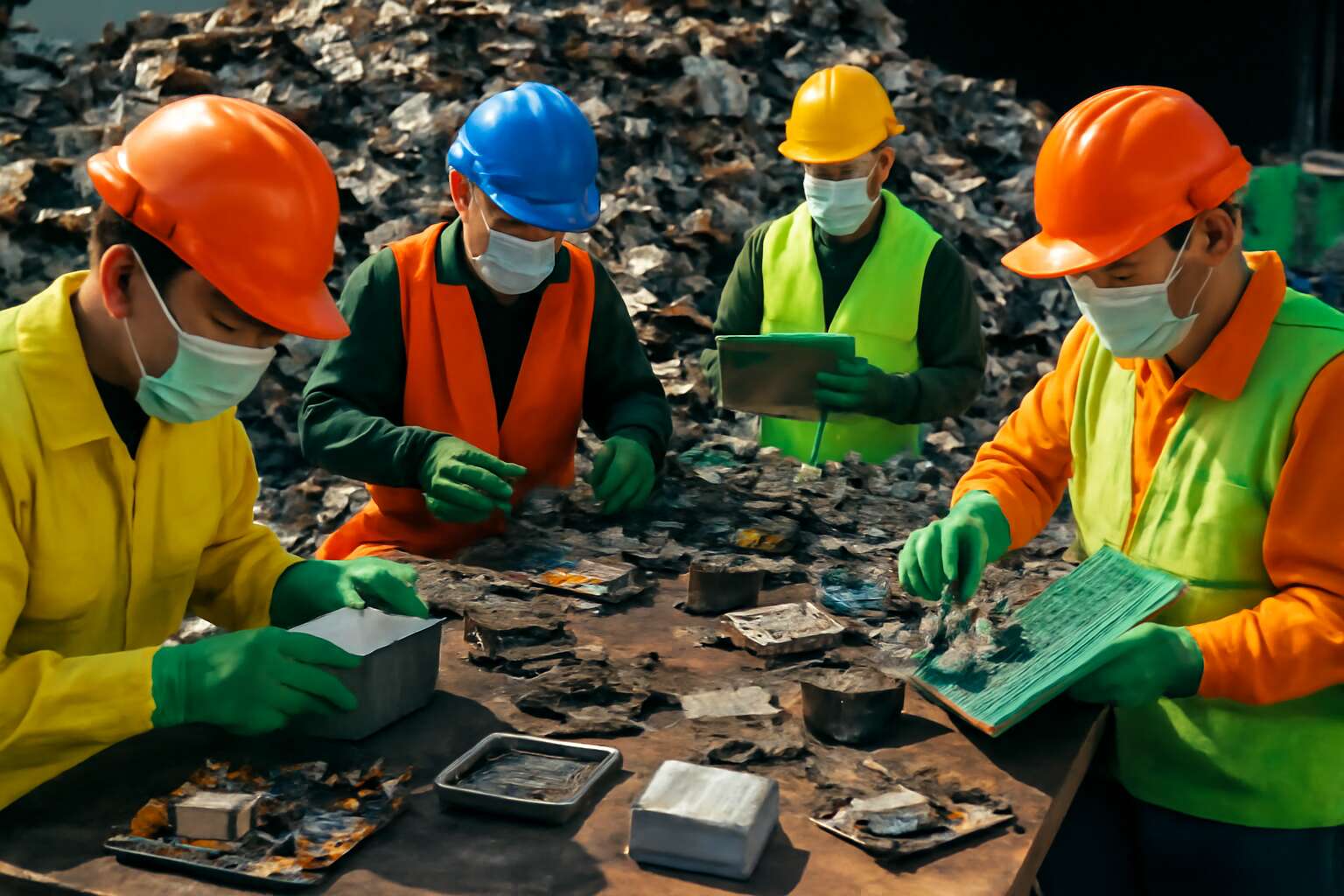
The process of how e waste is recycled is a meticulous journey that transforms discarded electronics into valuable resources. Once e-waste arrives at recycling facilities, it undergoes a detailed sorting and dismantling phase. Skilled technicians carefully separate recyclable components—like circuit boards, plastics, and metals—from hazardous materials such as batteries and mercury-containing parts. This step is crucial to ensure that toxic substances are safely removed, preventing environmental contamination.
During dismantling, specialized tools are used to efficiently break down devices, revealing their inner treasures. Metals such as copper, gold, and silver are recovered through smelting, while plastics are cleaned and prepared for reuse. Proper handling protocols not only maximize material recovery but also protect workers from exposure to harmful substances. Understanding how e waste is recycled reveals a delicate balance between environmental responsibility and technological recovery—an essential part of sustainable e-waste management in South Africa.
Manual Dismantling – Disassembly by skilled workers
The journey of how e waste is recycled isn’t just a mechanical process; it’s an intricate ballet performed by skilled technicians who turn discarded gadgets into treasure chests of recyclable materials. Manual dismantling is the backstage pass to this transformation, where every screw turned and component removed is a step towards environmental salvation. South Africa’s e-waste recycling centers rely heavily on these experts to ensure that no precious metal or plastic is left behind—unless it’s hazardous, of course.
During this phase, disassembly isn’t a hurried affair. It requires patience, precision, and a dash of detective work to identify which parts can be reclaimed. Here’s a quick peek at what manual dismantling involves:
- Careful removal of circuit boards to recover valuable metals like gold and copper.
- Extraction of plastics for cleaning and reuse, reducing the burden on landfills.
- Safe extraction of hazardous materials such as batteries and mercury-containing components, preventing environmental contamination.
Each step is executed with a focus on maximizing material recovery while safeguarding workers from exposure to toxic substances. Understanding how e waste is recycled reveals a delicate balance—one that marries technological ingenuity with environmental responsibility in South Africa’s fight against electronic waste pollution.
Automated Sorting Technologies – Use of machinery for efficient separation
In the intricate ballet of how e waste is recycled, automation emerges as a silent choreographer, orchestrating precision and efficiency with a mastery that human hands alone could scarcely match. Advanced sorting technologies, driven by cutting-edge machinery, transform the chaos of discarded electronics into a symphony of recoverable treasures. These automated systems are not merely tools; they are the sentinels guarding the delicate balance between environmental sustainability and technological advancement.
Using a blend of optical sensors, magnetic separators, and air classification, these machines meticulously differentiate metals, plastics, and other materials at lightning speed. The process involves an ordered sequence—
- Initial shredding of e waste into manageable fragments, exposing its inner complexity.
- Followed by precise separation of ferrous and non-ferrous metals, ensuring maximum recovery of valuable resources.
- Finally, plastics and other non-metallic components are sorted for cleaning and reuse, reducing waste in landfills.
This technological marvel not only accelerates the recycling process but also elevates safety standards by reducing human exposure to hazardous substances. As South Africa’s e-waste recycling centers harness the prowess of automated sorting technologies, they forge a path toward a cleaner, greener future—one precise separation at a time.
Processing E-waste: From Disassembly to Material Recovery
Shredding and Grinding – Breaking down electronic devices into smaller pieces
Once electronic devices have been carefully disassembled, the journey of how e waste is recycled takes on a complex, almost alchemical quality. The shredded remnants of smartphones, computers, and appliances are subjected to a meticulous process of grinding—an essential phase that transforms bulky debris into manageable fragments. This step is crucial, as it exposes the internal layers of circuit boards, metals, plastics, and hazardous components, making subsequent separation more effective.
Shredding and grinding not only facilitate the liberation of valuable materials but also set the stage for advanced sorting techniques. These include magnetic separation, eddy current separation, and air classification, which sift through the shredded waste to recover precious metals like copper, gold, and silver. The intricate dance of machinery ensures that each material is isolated with precision, minimizing losses and environmental impact. This process exemplifies how e waste recycling is a delicate balance of technology and expertise, transforming what seems like refuse into a treasure trove of recoverable resources.
Separation Techniques
In the shadowy realm of e-waste recycling, the process of how e waste is recycled transforms electronic refuse into a labyrinth of hidden treasures. Once disassembled, the remnants are subjected to a meticulous sequence of separation techniques, revealing the core materials hiding within. This stage is not merely mechanical but almost alchemical, as raw components are coaxed from their metallic and plastic tombs.
Advanced sorting technologies play a pivotal role in this metamorphosis. Magnetic separation and eddy current separation work in tandem, pulling out ferrous and non-ferrous metals with relentless precision. Meanwhile, air classification sorts lightweight plastics from heavier metals—each step a delicate dance, ensuring minimal environmental impact while maximizing material recovery. The intricate choreography of machinery and human expertise breathes new life into what once was destined for the landfill.
Chemical Recycling Processes – Leaching and refining precious metals
Within the labyrinth of how e waste is recycled, chemical processing emerges as a crucial phase, transforming disassembled components into pure, reclaimable materials. Once the electronic devices are broken down into their fundamental parts, leaching processes come into play—subtle yet powerful chemical reactions that dissolve precious metals from complex matrices. This extraction isn’t just about retrieval; it’s an intricate dance of refinement, where raw materials are purified and prepared for reuse.
During leaching, acids such as aqua regia or other specialized solutions are employed to selectively dissolve valuable metals like gold, silver, and platinum. These solutions then undergo a refining process, often involving electrochemical techniques, to recover high-purity precious metals. This meticulous approach ensures that no material is wasted, and environmental impact is minimized, embodying the essence of responsible e waste recycling.
Understanding how e waste is recycled reveals the delicate balance of science and sustainability. The focus on chemical recycling processes transforms what was once considered hazardous waste into a treasure trove of reusable resources, breathing new life into electronic refuse and supporting a circular economy.
Recycling of Key E-waste Components
Precious Metals Recovery – Gold, silver, platinum, and palladium extraction
Within the intricate dance of how e waste is recycled, precious metals extraction stands as a shimmering testament to human ingenuity. Gold, silver, platinum, and palladium—these invaluable elements are often hidden within the complex circuitry of discarded electronics. The process of recovering these metals transforms what seems like mere debris into a treasure trove of resources, fueling sustainable innovation and reducing environmental harm.
Advanced chemical recycling processes, such as leaching and refining, are employed to isolate these metals with remarkable precision. This meticulous extraction not only preserves the integrity of the metals but also minimizes waste loss. In South Africa, where the demand for precious metals is soaring, these techniques play a crucial role in supporting both economic growth and environmental stewardship.
In the quest of how e waste is recycled, specialized separation techniques are vital. These methods ensure that precious metals are efficiently separated from other components, optimizing recovery rates. The entire process exemplifies a delicate balance—transforming electronic waste into a sustainable resource while safeguarding our planet’s future.
Plastic Recycling – Processing and reusing plastics from electronics
As the world accelerates into an era where technology is woven into the fabric of everyday life, the question of how e waste is recycled becomes more urgent and profound. Among the many challenges, plastic recycling from electronics stands out as a crucial puzzle piece. Electronic devices, from smartphones to televisions, contain plastics that are often complex and difficult to process, yet they hold immense potential for reuse.
Recycling plastics from e waste involves a meticulous process of separation, shredding, and refining. First, the electronic components are carefully dismantled, either manually or through advanced automated sorting technologies. This step ensures hazardous materials are safely removed, paving the way for environmentally responsible recycling. The remaining plastics are then shredded into smaller fragments, making them easier to clean and process.
Once shredded, the plastics undergo cleaning and melting, transforming into raw material that can be molded into new products. This cycle not only reduces the need for virgin plastics but also lessens the environmental burden caused by plastic waste accumulation. The process exemplifies how innovative recycling techniques breathe new life into discarded electronics, turning what was once considered waste into valuable resources. In South Africa, where electronic waste is surging, understanding how e waste is recycled—especially plastics—becomes essential for building a sustainable future.
Glass Recycling – Recycling display screens and glass panels
The shimmering glass screens of smartphones, tablets, and large-scale display panels hide a complex journey—one that transforms discarded electronics into sustainable resources. In South Africa, where e-waste is skyrocketing, understanding how e waste is recycled, especially glass components, becomes a vital part of environmental stewardship. These fragile yet valuable fragments are far from trash; they’re a treasure trove waiting to be unlocked.
Recycling display screens and glass panels involves a sophisticated yet precise process. Initially, the e-waste is carefully dismantled to remove hazardous materials, ensuring safety and environmental protection. Once free of dangerous substances, the glass is separated from other components using specialized machines. This step prevents contamination and preserves the integrity of the glass for reuse. The glass is then crushed into smaller shards, which can be further purified through chemical processes—an essential step in reclaiming high-quality raw materials.
In some advanced recycling facilities, chemical recycling techniques like leaching are employed to recover precious metals embedded within the glass layers, adding another layer of value to the process. This meticulous approach ensures that each fragment of glass is repurposed, reducing reliance on virgin materials and curbing e-waste pollution. As South Africa grapples with mounting electronic waste, the art of how e waste is recycled—including glass recycling—remains a beacon of hope for a cleaner, greener future!
Ferrous and Non-Ferrous Metals – Steel, aluminum, and copper recovery
Within the labyrinth of electronic waste, one of the most vital treasures lies hidden—ferrous and non-ferrous metals such as steel, aluminum, and copper. These metals are the lifeblood of modern industry, and their recovery through proper recycling processes breathes new life into what was once discarded. When understanding how e waste is recycled, the extraction of these key materials stands as a testament to human ingenuity and environmental responsibility.
At the heart of this transformation is a meticulous dance of separation and refinement. After the initial dismantling, e-waste undergoes advanced sorting techniques—both manual and automated—to isolate ferrous metals from non-ferrous counterparts. Steel, with its magnetic charm, is effortlessly separated using magnetic drums, while aluminum and copper are extracted through sophisticated eddy current separators. This precise curation ensures that each metal is preserved in its purest form, ready for rebirth.
- The metals are then melted down in high-temperature furnaces, purifying them further and removing residual contaminants.
- This molten alloy is cast into ingots or billets, forming the raw materials for manufacturing anew.
By harnessing these advanced techniques, South Africa’s e-waste recycling centers turn what was once considered waste into a resource of immense value. The cycle of recovery and reuse not only reduces the need for virgin mining but also diminishes the environmental footprint—an enduring testament to how e waste is recycled in the most efficient, sustainable manner possible.
Innovative Technologies in E-waste Recycling
Advanced Mechanical Sorting – Improving efficiency and accuracy
In the relentless pursuit of efficiency, innovative technologies are transforming how e waste is recycled, elevating the process from mere manual labor to a spectacle of mechanical ingenuity. Advanced mechanical sorting systems now employ sophisticated sensors and AI-driven algorithms to distinguish between plastics, metals, and glass with remarkable precision. This leap in technology not only accelerates the recycling timeline but also minimizes human error, ensuring hazardous components are safely segregated from recyclable materials.
By integrating these cutting-edge methods, recycling facilities can effectively recover precious metals such as gold, silver, and platinum, while simultaneously streamlining the separation of ferrous and non-ferrous metals. A typical example involves a combination of conveyor belts, magnetic separators, and optical sorters working in concert—an orchestration that transforms what used to be a tedious process into a marvel of automation.
- Enhanced accuracy in separating hazardous substances from valuable materials
- Increased throughput, reducing bottlenecks in recycling facilities
- Improved recovery rates of precious and base metals
Such technological advances underscore how e waste is recycled in a manner that is not only more efficient but also environmentally sound, ensuring that every component is given the second life it deserves while safeguarding ecological integrity in South Africa and beyond.
Pyrometallurgical Processes – High-temperature metal extraction
Pyrometallurgical processes stand at the forefront of innovative technologies in e-waste recycling, especially in regions like South Africa where resource recovery is vital. This high-temperature method involves smelting electronic waste to extract precious and base metals, transforming discarded gadgets into valuable commodities. The process is remarkably efficient, allowing for the recovery of gold, silver, platinum, and palladium that would otherwise be lost in landfills.
During this process, complex mixtures of materials are subjected to extreme heat, causing metals to separate from non-metallic components. The smelting furnace operates under precise conditions, ensuring hazardous substances are safely contained while metals are extracted. This technique not only maximizes material recovery but also minimizes environmental impact, a crucial consideration for sustainable e-waste management.
- High-temperature smelting consolidates the metals into ingots or alloys, ready for refining.
- Refining then purifies these metals, removing impurities and ensuring they meet industry standards.
By harnessing pyrometallurgical processes, South Africa’s e-waste recycling industry is pushing boundaries, turning what was once considered waste into a resource that fuels economic growth and environmental stewardship. It’s a testament to how technological innovation can redefine the narrative of how e waste is recycled, emphasizing both efficiency and ecological responsibility.
Hydrometallurgical Techniques – Chemical leaching methods
In the quest to unlock the hidden treasures within electronic waste, hydrometallurgical techniques have emerged as a game-changing approach. These innovative chemical leaching methods allow for the extraction of precious metals with remarkable precision, offering an eco-friendly alternative to traditional thermal processes. By immersing shredded e-waste in specific solutions, valuable elements like gold, silver, and platinum are dissolved and separated, transforming discarded devices into pure, market-ready commodities.
This process elegantly balances efficiency with environmental responsibility, minimizing the release of harmful emissions. In South Africa, where resource scarcity is a pressing concern, understanding how e waste is recycled through hydrometallurgical methods is vital for sustainable development. These techniques not only recover crucial metals but also reduce the burden on landfills, turning waste into wealth. It’s a fascinating dance of chemistry and technology that redefines what’s possible in e-waste recycling.
Smart Recycling Facilities – Integration of IoT and AI
In the realm of e-waste recycling, innovative technologies are transforming the way we reclaim valuable resources. Smart recycling facilities harness the power of IoT and AI, creating an intricate web of efficiency and precision. These systems continuously monitor equipment, optimize sorting processes, and improve throughput, ensuring that every component is processed with minimal environmental impact.
By integrating advanced mechanical sorting and real-time data analytics, these facilities can swiftly identify and separate different materials — from plastics to ferrous and non-ferrous metals. This not only accelerates the recycling process but also enhances the recovery of precious metals like gold, silver, and platinum, which are vital for South Africa’s resource-scarce landscape.
- Real-time tracking of e-waste streams
- Automated identification of hazardous components
- Optimized resource allocation for dismantling and processing
Such technological marvels exemplify how e waste is recycled with a finesse that marries environmental responsibility and economic opportunity. As these intelligent systems evolve, they redefine the future of sustainable development, turning discarded electronics into the gold mines of tomorrow’s economy.
Challenges and Future of E-waste Recycling
Environmental and Safety Concerns – Proper handling of hazardous materials
The journey of how e waste is recycled is fraught with complex challenges that threaten both the environment and human safety. As electronic devices become more advanced and ubiquitous, the volume of e waste surges, often outpacing responsible disposal methods. Hazardous materials such as lead, mercury, and cadmium are embedded in many components, demanding meticulous handling to prevent toxic exposure. Improper disposal can lead to devastating environmental contamination and health crises, especially in regions with lax regulations like some parts of South Africa.
Addressing these issues requires innovative solutions. For example, advanced mechanical sorting enhances efficiency, but still struggles with accurately segregating hazardous from non-hazardous materials. The future of how e waste is recycled hinges on integrating smarter technologies—like IoT and AI—to better detect and isolate toxic substances. Yet, the core challenge remains: ensuring proper handling of hazardous materials is not just a technical hurdle but a moral imperative. Only through rigorous safety protocols and sustainable practices can the industry hope to mitigate these environmental and safety concerns, paving the way for a truly responsible e waste recycling ecosystem.
Illegal E-waste Disposal – Combatting informal recycling practices
The dark underbelly of e-waste recycling reveals a troubling reality: illegal disposal practices persist, often overshadowing responsible methods. In many regions of South Africa, informal recycling hubs operate outside regulatory oversight, exposing workers and communities to toxic hazards. These clandestine operations frequently use primitive techniques that release hazardous substances into the environment, creating a breeding ground for health crises and ecological devastation.
Combatting illegal e-waste disposal requires a multi-faceted approach. Governments and organizations are investing in education and stricter enforcement, but technological innovation holds great promise. For example, incorporating smart sensors and AI-driven monitoring into recycling facilities can detect unauthorized disposal and prevent hazardous practices. As the industry evolves, developing more sophisticated, transparent systems for how e waste is recycled will be essential to curb illegal activities and promote sustainable practices.
Ultimately, addressing these challenges demands a collective effort—balancing technological advancements with robust legal frameworks—to forge an e-waste recycling ecosystem that is both responsible and resilient. Without this, the cycle of environmental harm and unsafe labor practices will continue to threaten communities and ecosystems across South Africa and beyond.
Recycling Infrastructure Gaps – Need for more advanced facilities
As the digital age surges forward, the labyrinth of e-waste recycling reveals both marvels and shadows. Yet, one of the most pressing challenges lies within the gaps in recycling infrastructure. Many regions across South Africa find themselves at a crossroads, where outdated facilities struggle to keep pace with the relentless influx of electronic refuse. This deficiency hampers the full potential of responsible e-waste management and leaves vital resources trapped in discarded devices.
Addressing these gaps requires an infusion of cutting-edge technology and strategic investment. Future-focused recycling facilities are now envisioned as sanctuaries of innovation—integrating automated sorting technologies, IoT sensors, and AI-driven systems. Such advancements promise not only to streamline the process of how e waste is recycled but also to elevate safety standards and environmental compliance. For example, advanced mechanical sorting improves accuracy, ensuring that each component is processed optimally, while pyrometallurgical and hydrometallurgical techniques extract precious metals efficiently.
- Enhanced infrastructure allows for the comprehensive recovery of ferrous and non-ferrous metals, plastics, and glass, transforming what was once deemed waste into valuable commodities.
- Developing specialized facilities equipped with chemical recycling processes and automated disassembly stations will help to bridge the current gaps, creating a resilient ecosystem for sustainable e-waste management.
In this landscape of burgeoning opportunity, it becomes clear that future e-waste recycling hinges on the symbiosis of technology and robust infrastructure—unlocking the true potential of electronic waste while safeguarding communities and the environment for generations to come.
Emerging Solutions and Policies – Regulations and innovations driving improvement
The future of e-waste recycling hinges on innovative solutions and robust policies that can adapt to the rapidly evolving digital landscape. While many regions grapple with outdated infrastructure, emerging policies are beginning to shape a more sustainable approach to handling electronic waste. Governments and industry stakeholders are increasingly recognizing that regulations must evolve alongside technology to effectively combat illegal e-waste disposal and promote responsible recycling practices.
In South Africa, new legislation incentivizes the development of advanced recycling facilities equipped with cutting-edge technology like IoT sensors and AI-driven sorting systems. These innovations are transforming how e waste is recycled, making processes more efficient and environmentally friendly. For example, automated disassembly stations enable precise separation of hazardous components from reusable materials, minimizing health risks for workers and the environment.
Furthermore, strategic investments in innovation have led to the adoption of chemical recycling processes such as hydrometallurgical techniques, which are capable of extracting precious metals with high purity. Such technological advancements not only boost recovery rates but also reduce the reliance on traditional, energy-intensive methods like pyrometallurgy. The integration of these solutions into smart recycling facilities marks a pivotal step forward in creating a resilient, sustainable e-waste management ecosystem.
As policies continue to drive improvement, an emphasis on transparency and accountability ensures that e waste is properly managed from collection to final processing. This holistic approach underscores the importance of bridging infrastructure gaps with future-focused solutions—ensuring that how e waste is recycled becomes not only more effective but also more aligned with environmental and social responsibility.

0 Comments