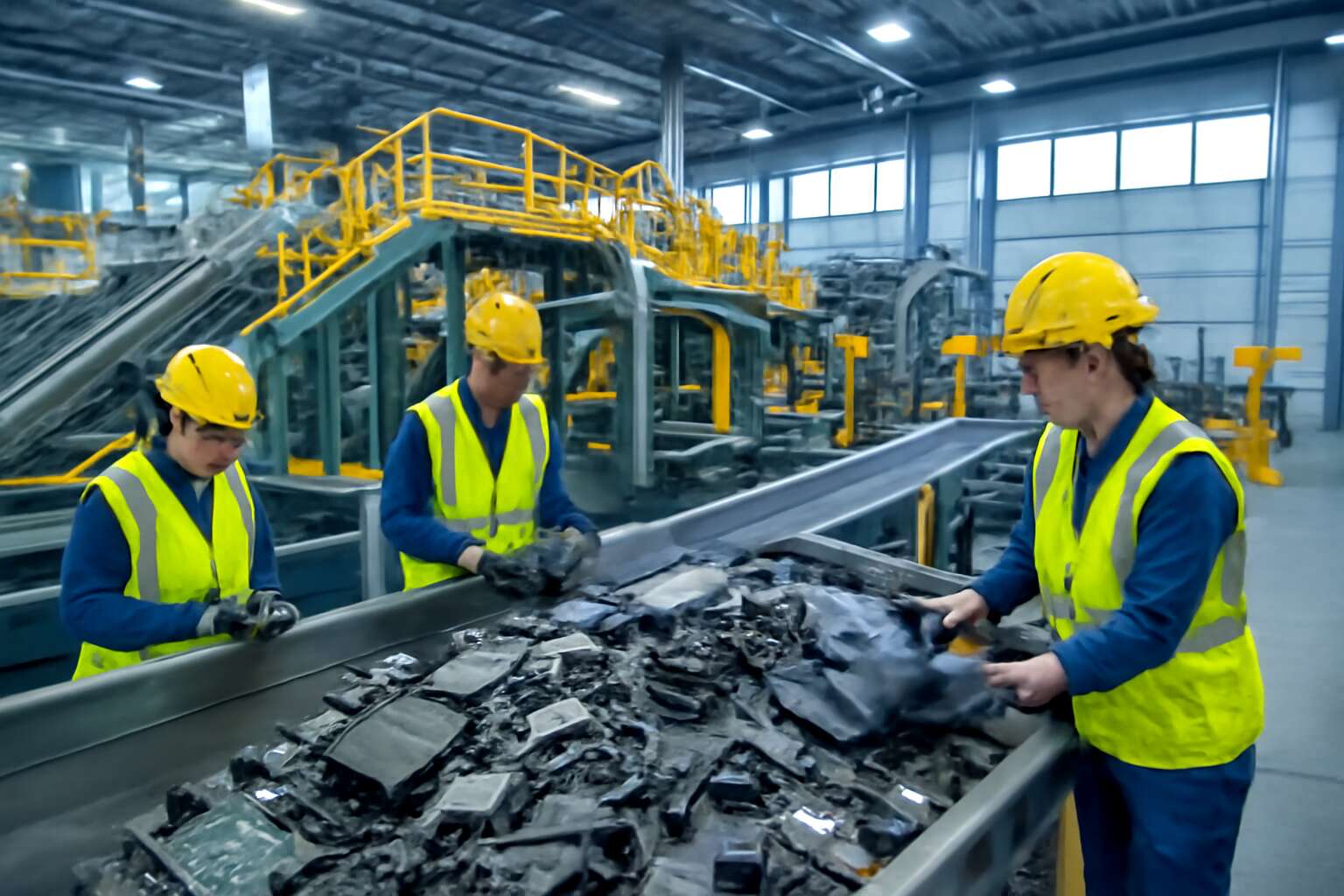
E-Waste Management Processes and Pathways
Definition and Scope of E-Waste Management Processes
Across South Africa, electronic waste is piling up faster than households can recycle it, and the trend shows no sign of slowing. The e waste management lines map the lifecycle from consumer to recycler, outlining the processes that turn discarded devices into usable resources rather than landfill. This clarity helps businesses, municipalities, and citizens track responsibility, avoid leakage, and safeguard communities from hazardous exposure!
Definition and scope of E-Waste Management Processes covers what counts as e-waste, who is accountable, and how the flow is regulated. Key pathways keep the system moving smoothly and transparently.
- Collection and take-back programs
- Sorting, refurbishing where viable, and material recovery
- Safe disposal and regulated recycling
The result is a framework that reflects South Africa’s realities and regulatory context.
Typical Lines and Workflows from Collection to Refurbishment
Thousands of tons of e-waste move through South Africa each year, and most still ends up in landfills. The e waste management lines reveal the lifecycle from consumer to recycler, turning discarded devices into usable resources rather than waste. This clarity helps municipalities, businesses, and citizens map responsibility and safeguard communities from hazardous exposure.
Key pathways keep the system steady, guiding the journey from collection to responsible refurbishment and material recovery. The workflow often unfolds as:
- Collection and take-back programs
- Sorting, testing, and refurbishment where viable
- Material recovery and safe disposal through regulated recycling
Ultimately, this framework acknowledges the moral weight behind every device outlived in South Africa, bridging policy, industry, and everyday life.
Key Stakeholders and Roles in the Processing Chain
South Africa’s e waste management lines map a delicate choreography of who handles discarded devices and when. From doorstep collection to certified refurbishers, every action touches a person and a neighborhood. These pathways embody responsibility and opportunity, turning yesterday’s circuits into usable resources while safeguarding communities from hazardous exposure. It’s a living system, dependable and inclusive!
Key stakeholders and roles in the processing chain include:
- Municipal and national regulators setting standards and audits
- Collection partners managing drop-offs and transport
- Testing labs and refurbishers assessing viability
- Material recyclers reclaiming metals, plastics, and glass
- Manufacturers and retailers designing for disassembly and take-back duties
When these currents align, e waste management lines stay steady.
Benefits of Standardized E-Waste Lines for Businesses
In a country grappling with rising volumes of discarded devices, standardized e waste management lines become a backbone for safe, efficient action! From doorstep intake through data testing to refurbishing, these lines translate complexity into predictability. For South Africa, that means fewer bottlenecks, safer working conditions, and clearer accountability—from municipal depots to refurbishers. It is a quiet revolt against waste, a belief that every circuit still carries value and responsibility.
These dynamics hinge on standardized lines, consistently applied across networks, turning regulatory rigor into practical gains.
- Streamlined compliance and risk reduction
- Faster reverse logistics and reduced downtime
- Enhanced brand trust and stakeholder confidence
In this living system, businesses don’t just manage waste—they transform it into value for communities and future-ready operations.
Regulatory Landscape and Compliance for Electronic Waste
Global Regulatory Trends and Compliance Requirements
A full garbage truck of e-waste is discarded every second, and I’ve seen its ripple in our towns—dusty hills behind workshops and schools. The regulatory landscape around electronic waste has grown from a side note to a backbone of responsible business. Clear standards shape how e waste management lines are built and tracked from cradle to refurbish.
Globally, trends push for accountability and cleaner disposal. The shifts shaping compliance and practice include:
- Extended Producer Responsibility and take-back schemes for electronics
- Basel Convention-aligned controls on cross-border movement of waste
- Digital record-keeping and transparent auditing for oversight
In South Africa, aligning e waste management lines with the National Environmental Management: Waste Act ensures proper handling and reporting. The road is long, but steady progress keeps communities safe.
Producer Responsibility and Extended Producer Responsibility (EPR)
The real cost of miscounted electronics isn’t on the balance sheet; it’s in dusty towns and dodgy disposal stories. In South Africa, Extended Producer Responsibility is not a polite suggestion but a legal compass shaping e waste management lines, from cradle to refurbish.
EPR turns producers into stewards, requiring take-back, refurbishment or proper end-of-life handling, and transparent reporting across the supply chain. Aligning with the National Environmental Management: Waste Act ensures proper handling and tracking, and creates a verifiable audit trail within e waste management lines.
- Take-back obligations that cover end-users and retailers
- Independent audits and digital lifecycle records
- Public reporting that shows progress toward recycling targets
This may feel bureaucratic, but it’s the lubricant of trust; when EPR works in SA, the regulatory tethers loosen into predictable, auditable processes that turn yesterday’s e-waste into tomorrow’s resources.
Data Security and Privacy Considerations in Compliance
Data doesn’t disappear when a device is retired. Here in South Africa, our teams see data security and privacy obligations give e-waste handling a pulse—integrated from cradle to refurbish. POPIA and the National Environmental Management: Waste Act shape how electronics must be sanitized, destroyed, or refurbished, and how evidence travels through every link in the chain. The aim is simple: protect personal information while turning end-of-life devices into resources—without letting messy disposal shadows linger over the e waste management lines!
Key compliance pillars include:
- Data sanitization and secure erasure to POPIA standards across devices prior to re-use or recycling.
- Chain-of-custody documentation and verifiable lifecycle records for every handoff.
- Transparent reporting and independent audits that demonstrate progress and accountability.
In practice, this regulatory landscape nudges vendors and recyclers toward auditable processes, ensuring that privacy protection travels alongside environmental stewardship—transforming risk into a resource for trust within e waste management lines.
Hazardous Materials Handling and Safety Standards
South Africa’s regulators frame e-waste as a test of data security and environmental responsibility. A senior official once said, “data security travels with waste handling”—a line that shapes every decision from collection to refurbish and along our e waste management lines!
Under the National Environmental Management: Waste Act and POPIA, electronics must be sanitized, destroyed, or refurbished with auditable evidence every step along the chain. Compliance hinges on traceability, lifecycle records, and transparent reporting that supports independent verification.
Key regulatory components to implement include:
- Hazardous waste classification, labeling, and segregation
- Safe transport and storage of electronic materials
- Worker safety standards and environmental monitoring
These measures push vendors toward auditable processes and accountable performance, turning compliance into a resource for trust within e waste management lines.
Cross-Border Transport Rules and Trade Compliance
“Data security travels with waste handling.” In South Africa, cross-border e-waste movements are rising, yet auditable traceability remains a hard-won standard. Basel Convention requirements—complete with permits, notices, and a verifiable chain of custody—shape every border crossing and port-of-entry decision.
Compliance rests on harmonized documentation and transparent reporting that corridors of trade can audit. Key elements that support trade compliance include:
- Basel Convention notification and prior informed consent for each shipment
- Accurate waste classification, clear transport documents, and cross-border waste permits
- Auditable lifecycle records showing sanitization, refurbishment, or destruction
These rules refine e waste management lines into a trusted, lawful pipeline that upholds data integrity and environmental stewardship across South Africa’s borders.
Collection, Sorting, and Recycling Streams
Collection and Take-Back Schemes: Best Practices
The city hums with forgotten devices, and behind the scenes a quiet map guides every salvage toward a second life. In South Africa, collection marks the first contact between waste and purpose, a vigil at depots where containers brim with possibility instead of neglect. The arc of e waste management lines guides the retention of value through every phase.
Sorting and gentle disassembly carve order from chaos—metals, plastics, and circuitry each find their own stream, while the integrity of the process shields workers and land from the shadows of hazardous waste.
To keep these streams honest, a few guiding ideas rise to the surface:
- Clear roles and traceability across partners
- Data security and privacy safeguards
- Transparent reporting and performance metrics
Finally, take-back schemes woven into retail networks bridge to recycling streams, where refurbished devices and responsibly recycled materials emerge from the gloom.
On-site vs Off-site Sorting: Techniques and Equipment
Across South Africa’s cities, e waste management lines move forgotten devices from curb to cradle. Collection at depots is the first contact between waste and purpose, a checkpoint where containers brim with potential and accountability matters.
Sorting and gentle disassembly carve order from chaos—metals, plastics, and circuitry each find their own stream, while process integrity shields workers and soil from hazards. On-site sorting keeps basic separation within the fence line, reducing risk and transport costs.
When scale is required, off-site sorting deploys heavier machinery and AI-guided systems to raise purity in streams.
- On-site sorting techniques: manual dismantling, magnetic separation, basic shredding
- Off-site equipment and workflows: advanced optical sorters, eddy current separators, automated balers
Recycling streams channel plastics, metals, and circuit boards to the right refineries, with refurbished devices and recycled materials emerging from the process.
Recycling Methods: Mechanical, Pyrometallurgical, Hydrometallurgical
Across South Africa, e waste management lines move forgotten devices from curb to cradle. Collection is the first contact between waste and purpose, a checkpoint where containers brim with potential and accountability matters. The rhythm of intake shapes safety, traceability, and the speed at which e-waste becomes tomorrow’s feedstock.
Sorting turns chaos into order—manual picks, magnetic pull, and careful shredding separate plastics, metals, and circuitry into clean streams. When recovery is needed, these streams feed into the recycling methods that power the line:
- Mechanical
- Pyrometallurgical
- Hydrometallurgical
These three routes do the heavy lifting, extracting metals, plastics, and precious elements with finesse. In the end, refurbished devices and recycled materials emerge from the line, proving that what was once forgotten can be renewed with a little ingenuity—and plenty of supervision to keep the value intact.
Refurbishment, Remanufacturing, and Reuse Streams
“What we discard today powers tomorrow,” a bold spark greeting South Africa’s e waste management lines. Collection is the first heartbeat, pulling forgotten devices from curb to cradle, where containers brim with promise and accountability. In bustling cities and quiet townships alike, intake rhythms shape safety, traceability, and the speed at which waste becomes tomorrow’s feedstock.
Sorting turns chaos into order—manual picks, magnetic pulls, and careful shredding separate plastics, metals, and circuitry into clean streams. The act of sorting is more than orderliness; it reduces contamination, protects workers, and primes streams for the refined chemistry of recycling methods that follow.
Within the recycling streams, refurbishment, remanufacturing, and reuse breathe new life into hardware.
- Refurbishment
- Remanufacturing
- Reuse
These streams link back to collection and sorting, proving a closed loop where value travels from curb to cradle again.
Sustainable Practices and Circular Economy for Electronics
Measuring Circularity: KPIs and Metrics for E-Waste Recovery
Global e-waste is piling up faster than phone chargers in a drawer—about 50 million tonnes each year, a humbling statistic that demands action. Sustainable practices in e waste management lines embrace circular thinking: design for durability, repairability, and safe material recovery across the entire chain in South Africa.
To measure progress, focus on KPIs and metrics that reveal true circularity, not just tonnages. The aim is to turn waste streams into value streams: monitor material recovery, energy intensity, and reuse rates; and track how often products are kept in use through refurbishing and remanufacturing.
Practical indicators include:
- Material recovery rate (MRR)
- Reuse/remanufacture rate
- Recycled content in new products
These metrics keep lines honest, guiding investments toward longer-lasting design and smarter collection, so every device has a second life instead of ending up as hazardous clutter.
Lifecycle Assessment and Sustainability Reporting
In South Africa, each discarded gadget echoes through wallets and wards alike, a hook that refracts through urban and rural lines. Sustainable practices in electronics follow a circular mindset—durable design, repairability, and safe material recovery spanning the entire lifecycle in e waste management lines. This isn’t mere compliance; it’s a discipline that turns waste streams into value streams and invites brands to rethink procurement and end-of-life pathways.
- Design for durability and easy upgrade
- Repairability and modular components
- Safe material recovery and closed-loop processing
For lifecycle assessment and sustainability reporting, the aim is transparency: mapping refurbishment cycles, remanufacturing, and recycled content to demonstrate genuine circularity. When teams talk about progress, they reference not only diversion rates but also the quality of recovered materials and the longevity of refurbished devices, a language that resonates in South Africa’s evolving markets.
Cost Reduction and Revenue Opportunities through Reuse
Portals of value open when devices leave the shelf; in South Africa, circular economy thinking is turning hardware into a revenue stream rather than a landfill statistic. ‘Waste is treasure when treated as raw material,’ says a seasoned industry voice, and it’s not fantasy—it’s practical economics that cut through the noise of compliance. Sustainable practices in electronics focus on reuse across e waste management lines, enabling cost reduction and new revenue opportunities.
- Asset recovery pricing and resale channels
- Refurbishment-led revenue streams and warranty programs
- Certified material re-entry into supply chains through closed-loop processing
From a South African perspective, transparency in lifecycle costing and sustainability reporting strengthens stakeholder trust while aligning procurement with responsible end-of-life pathways and unlocking value in a circular economy.
Future Trends: AI Sorting, IoT Tracking, and Policy Impacts
“Waste is treasure when treated as raw material,” a seasoned industry voice reminds us. In South Africa, sustainable practices are reshaping e waste management lines with AI sorting and IoT tracking as new economic pilots, while policy shifts nudge procurement toward circular pathways.
- AI-driven sorting accelerates material recovery with precision, reducing contamination.
- IoT tracking delivers end-to-end lifecycle visibility, from collection to remanufacture.
- Policy impacts—updated EPR frameworks, data governance, and import-export rules—shape collaboration across supply chains.
These advances prove that in South Africa friendly regulation and clever technology can turn waste into value, keeping electronics in the loop longer and cleaner.


0 Comments