Definition and scope of electronic waste
What counts as electronic waste
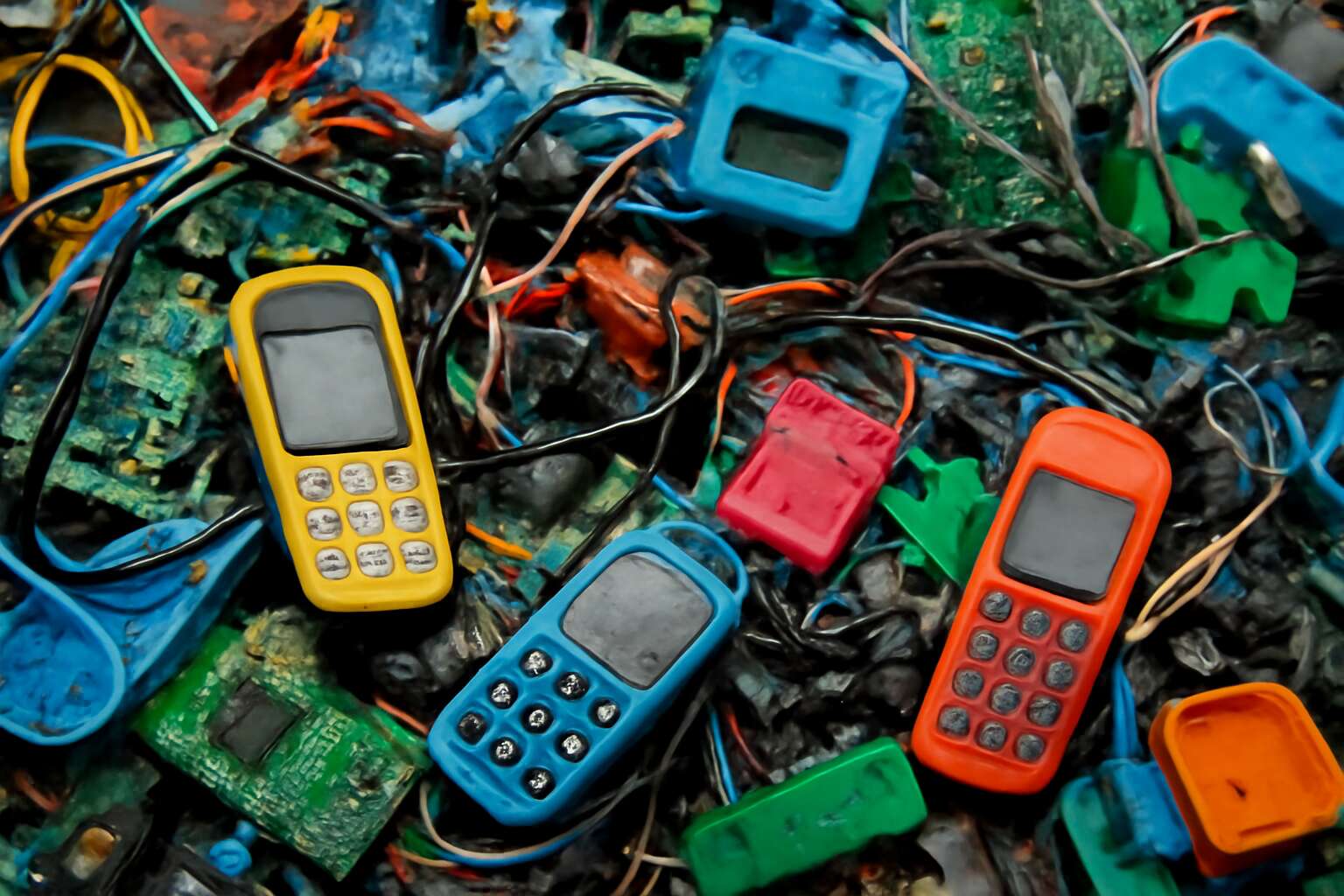
Global e-waste volumes exceed 50 million tonnes each year, a mountain that grows as devices outpace repair. Understanding what e waste is helps households and businesses decide what to hold onto and what to discard. This category covers more than broken phones; it includes any device containing a circuit or a battery that’s no longer wanted or used. That scale is staggering!
- Old smartphones, tablets, and laptops
- Computers, monitors, printers, and other IT gear
- Televisions and large display screens
- Batteries, power packs, and chargers
- Wiring, cables, and small electronics
In South Africa, e-waste is addressed through national policy and sector initiatives that aim to track and manage discarded equipment. The scope is broad, spanning consumer gadgets to industrial gear, and it highlights how hazardous components can affect health and the environment when mishandled.
Common electronic devices categorized as e-waste
Across the globe, e-waste volumes top 50 million tonnes each year, a silent leviathan feeding on our insatiable urge to upgrade. Understanding what e waste is helps households and businesses decide what to hold onto and what to discard. It isn’t only broken phones; it’s any device with a circuit or a battery that’s no longer wanted or used.
In South Africa, policy and sector initiatives track discarded equipment—from consumer electronics to industrial gear—and aim to shepherd it toward reuse or safe recycling, reflecting a careful balance between convenience and stewardship.
- Wearables and smart devices
- Gaming consoles and media players
- Routers, modems, and other networking gear
- GPS devices and digital cameras
Global e-waste statistics and trends
A silent leviathan of the digital era weighs in at more than 50 million tonnes a year—the sort of statistic that sticks. To grasp what e waste is, think of every device with a circuit or a battery that’s no longer wanted or used. From laptops to small home gadgets, discarded electronics accumulate in drawers and closets, quietly demanding a decision.
Global e-waste statistics reveal a steady, unnerving trend: volumes are climbing as new gadgets arrive faster than we retire old ones. In South Africa, policy and sector initiatives track discarded equipment—from consumer electronics to industrial gear—and aim to shepherd it toward reuse or safe recycling. The challenge isn’t merely volume; it’s the management gap across the value chain, from collection to processing.
- Global e-waste volumes top 50 million tonnes annually
- Only a fraction is collected for formal recycling
- Rising device ownership accelerates waste streams
Terminology and classifications in e-waste
Over 50 million tonnes of e-waste pile up each year—a silent leviathan of the digital era. For many, the query is simply: what e waste is, and why it matters as much as the devices we rely on daily.
Definition and scope: Electronic waste includes any device with a circuit or battery at end-of-life. It spans consumer electronics, IT equipment, and industrial gear that’s retired or broken.
- Information technology equipment (computers, servers, networking gear)
- Consumer electronics and home appliances (phones, TVs, washing machines)
- Electrical and electronic equipment (EEE) at end-of-life
- Batteries and accumulators (alkaline, lithium, nickel-based)
Terminology and classifications: In policy and practice, e-waste is used alongside terms like electronic waste and end-of-life devices. In South Africa, this terminology aligns with local policy and recycling programs. Classifications help track streams from households to recyclers and safe processors, guiding material recovery.
Environmental and health impacts of e-waste
Environmental risks of improper disposal
The global chorus of discarded devices grows louder each year: what e waste is, at its core, the footprint of our digital age. Global e-waste topped 50 million metric tons last year, a mountain glittering under South African skies while hinting at consequences buried in soil and water.
Environmental risks of improper disposal are real.
- Heavy metals leach into soil and groundwater
- Air pollution from open burning and fumes
- Chronic exposure for workers and nearby communities
Across South Africa, discarded devices travel from living rooms to dumps, along a shadowed path that leaves invisible scars when disposal is neglected. Treating endings as beginnings, we can imagine a future where reuse and safe dismantling are everyday crafts.
Human health implications for workers and communities
A sharp stat slices through the room: last year, global e-waste topped 50 million metric tons, a pressure wave South Africa cannot ignore. To understand what e waste is, toxins must be tracked as they travel from living rooms to dumps and into soil and water, whispering consequences into quiet corners.
Environmental and health impacts are tangible.
- Heavy metals leach into soil and groundwater, threatening crops and drinking water.
- Air pollution from burning plastics irritates lungs and heart.
- Chronic exposure raises neurodevelopmental risks in children and cancer risks for workers.
Across South Africa, discarded devices trace shadowed routes from homes to dumps, leaving invisible scars where disposal is neglected. Imagining a future where reuse and safe dismantling are the norm feels urgent.
Toxic materials in electronics and their effects
To understand what e waste is, you trace a toxic trail from a forgotten phone to a global crisis. Global e-waste now tops 50 million metric tons, a pressure South Africa cannot ignore as discarded devices drift into land and soil.
- Lead and cadmium linger in soil and water, threatening crops and drinking supplies.
- Mercury, chromium and brominated flame retardants release fumes and seep into air and dust.
- Discarded plastics burn and release toxins that irritate lungs and skin.
In people, chronic exposure weaves through childhood neurodevelopment risks and adult cancers, especially for workers who handle warming components without proper controls. Here in South Africa, the environmental cost is not abstract; it settles in farms, wells and urban air, whispering consequences into quiet corners.
Impact on soil, water, and air quality
Global e-waste now tops 50 million metric tons, a figure that makes even gadget hunters blink. Understanding what e waste is helps explain why the problem lands in farms and air. In South Africa, discarded devices drift from lounges to landfills and straight into the soil and waterways we rely on.
Environmental and health impacts unfold along three high-traffic routes: soil, water, and air. The residues cling to dust, seep into groundwater, and hitch rides on wind into homes and schools.
- Soil: contaminants accumulate and disrupt plant health and food safety
- Water: leachates threaten wells and rivers used by communities
- Air: fumes and fine particles drift into urban and rural environments
These pathways translate into real consequences for people—especially those in communities nearest dumps or informal recycling hubs—causing respiratory irritation and longer-term health risks, and the quiet hum of modern life has loud aftereffects.
E-waste recycling and circular economy
How e-waste is recycled and processed
South Africa is staring at a growing e-waste mountain, and the clock is ticking! Understanding what e waste is helps explain why plastics, copper, and rare metals deserve a second life—and why it matters to your bottom line. So, what e waste is, in practical terms, is the metals and plastics we keep cycling rather than tossing into a landfill.
- Collection and intake from households, businesses, and certified drop-offs
- Dismantling and material separation, pulling apart plastics, metals, and glass
- Refining and recovering metals through smelting, chemical baths, and careful sorting
- Re-manufacturing and reintegration of those materials into new devices or components
That’s the circular economy in action: keeping valuable stuff in use, lowering virgin resource demand, and stitching together jobs across South Africa’s formal and informal sectors. When processing is transparent and regulated, e-waste becomes a stream of recoverable metals, plastics, and glass rather than a polluted problem.
Recycling technologies and stages
Global e-waste tops 50 million tonnes annually, and South Africa feels the strain as devices flow between offices, homes, and workshops. Understanding what e waste is reveals why plastics, copper, and rare metals deserve a second life. In the realm of recycling technologies, the journey begins with careful collection and intake, but the magic hinges on separation, treatment, and sorting.
- Mechanical shredding and optical sorting to pull plastics, metals, and glass apart
- Hydrometallurgical baths and controlled smelting to recover copper, aluminium, and precious metals
- Refining, purification, and reintegration into new components or refurbished devices
When processing is transparent and regulated, e-waste becomes a stream of recoverable materials rather than a polluted problem. In South Africa, this circular economy stitches formal and informal workers into a single, skilled tapestry—turning discarded tech into opportunity and value for the bottom line!
Extended Producer Responsibility and policy incentives
More than 50 million tonnes of e-waste are produced worldwide each year, a mountainous stream that could power a thriving circular economy instead of choking our soils. In South Africa, Extended Producer Responsibility acts as a compass, guiding manufacturers to fund take-back schemes, safe collection, and reintegration of components into fresh life. This is what e waste is when policy meets action.
Policy incentives turn the tide from waste to wealth.
- Take-back schemes that close loops
- Minimum recycled-content requirements
- Tax credits for safe refurbishing and skilled recycling jobs
Across South Africa, these levers weave formal and informal workers into a single, skilled tapestry—turning discarded tech into opportunity and a cleaner future.
Certified recyclers and safe handling standards
South Africa discards millions of tonnes of e-waste every year—a heap big enough to power a circular economy instead of polluting our soils. To understand what e waste is, and why it matters, smart systems turn discarded devices into resource-rich building blocks for a cleaner tomorrow.
When you pair policy with practice, certified recyclers and safe handling standards keep the loop honest—dismantling with care, secure transport, and material recovery that re-enters the economy rather than the landfill.
Look for these hallmarks when choosing partners:
- Certification and a transparent chain of custody
- Safe handling standards aligned with SA and international norms
- Verified reporting on material recovery and reuse of components
In South Africa, these standards unite formal and informal workers around a shared mission: to turn discarded tech into opportunity and a cleaner future.
Responsible disposal and recycling options
Home disposal guidelines for households
Globally, about 50 million tonnes of e-waste are generated each year, a figure that makes the stakes painfully concrete. What e waste is goes beyond hardware—it’s the accumulated footprint of our devices, from smartphones to old monitors, each item signaling a decision we must make about reuse, recycling, and responsibility.
For South African households, responsible disposal starts with clear options. Consider these routes that keep toxins out of soil and water while supporting local jobs:
- Certified e-waste recyclers with local drop-off points
- Retailer take-back programs at electronics stores
- Community e-waste collection events
- Donating still-working devices to schools or charities
Home disposal guidelines for households sit at the intersection of care and conscience: data privacy must be respected when devices leave the home, and selection of certified facilities matters for environmental safeguarding. Keep e-waste separate from general rubbish, and let trusted e-waste streams handle the rest.
Where to drop off devices and mail-back programs
Every unused gadget left in a drawer is a quiet vote for the planet, and the tally of e-waste is climbing into the tens of millions of tonnes each year. In South Africa, choosing the right disposal path can turn a potential hazard into a responsible act that supports local communities.
Understanding what e waste is helps us see why the route you choose matters—data privacy, certified facilities, and transparent handling keep the cycle clean.
- Manufacturer-backed mail-back schemes that move old devices to licensed recyclers
- Accredited local drop-off centres linked to national e-waste networks
- Community collection events organized by municipalities or NGOs
- Gently used devices donated to schools or charities for refurbishment
These channels exist not to complicate the morning routine but to safeguard soil, water, and air—while giving jobs to people who handle the process with care.
Choosing a reputable e-waste recycler
Every year in South Africa, millions of devices drift from pockets to piles, turning quiet drawers into ticking time bombs for soil and water. A responsible disposal path turns that burden into a civic act—protecting communities and nurturing local jobs with every careful choice!
Understanding what e waste is helps you evaluate reclamation partners: a reputable recycler will demonstrate licensed facilities, documented data destruction, and transparent reporting on where materials go—and I’ve witnessed how that clarity shields communities from hidden risks.
- Licence to operate and alignment with national environmental standards
- Secure data destruction with audit trails
- Transparent material streams and destination reporting
- Local impact: jobs, training, and community programs
In South Africa, choose partners who publish credible stewardship, maintain clear records, and participate in recognized certifications for responsible handling.
Data security considerations during disposal
Across South Africa, millions of devices are retired each year, and only a fraction find proper treatment. what e waste is may be confusing, but the gist is simple: it’s hazardous material masquerading as ordinary trash, threatening soil, water, and communities.
On disposal, data security matters: secure data destruction with audit trails, chain-of-custody records, and transparent reporting. A reputable partner will show you who handled the device and when, shielding sensitive information and public health.
- Secure data destruction with audit trails
- Chain-of-custody documentation
- Transparent reporting of material streams
Recycling options remain practical: partner with certified recyclers, use take-back schemes, and support local hubs that sort materials responsibly—protecting communities while keeping jobs local.
Reducing e-waste and designing for longevity
Strategies to extend device lifespan
Global e-waste now climbs to about 50 million tonnes each year, a mountain of discarded gadgets that dwarfs many national landfills and taps at the curiosity of conscience. Understanding what e waste is helps frame the real cost of speed. In South Africa, as households and businesses upgrade, longevity becomes a badge of stewardship.
Reducing e-waste starts with design choices that resist obsolescence. Devices imagined for longevity reward the user with fewer replacements and cleaner disposal. Strategies to extend device lifespan can include thoughtful architecture that favors repair, modular upgrades, and durable materials.
- Modular components that allow upgrades
- Repair-friendly construction with accessible screws
- Long-term software support and compatibility
In practice, shoppers and companies can signal demand for longevity through choices that favor reparability, reliable service, and upgradability, turning the tide on needless waste while keeping technology aligned with business resilience.
Repair, refurbish, and reuse practices
Global e-waste towers at about 50 million tonnes, a mountain of discarded gadgets that dwarfs many national landfills. To grasp what e waste is, I trace its origins—materials, energy, and the stories of workers who mend what others cast aside. In South Africa, as households and businesses upgrade, longevity becomes a badge of stewardship.
Redesigns that invite repair, refurbish, and reuse are not nostalgia; they are a practical pledge. Consider these elements in durable devices:
- Repair-friendly construction with accessible fasteners
- Modular upgrades and swappable components
- Long-lasting software support and driver compatibility
Shoppers and businesses in South Africa shape this future by demanding reparable hardware, transparent service, and upgradable ecosystems. It’s a quiet revolution that protects jobs, reduces waste, and aligns technology with our shared dreams!
Sustainable design trends and consumer tips
Fifty million tonnes—an unfathomable weight—what e waste is piling into our world, a stubborn mountain that dwarfs many national landfills. In South Africa, every upgrade is a choice: treat devices as long-term partners, not disposable shadows, and imagine waste mapped back into possibility rather than dumped into the earth.
- Repair-friendly chassis
- Modular, upgradeable cores
- Long-lasting software support
In this landscape, sustainable design trends are about resilience: durable materials, energy-efficient components, and packaging that invites re-use. Shoppers and businesses in South Africa influence the market by favoring gadgets with repairability in mind and by supporting brands that publish transparent roadmaps for updates.
When we perceive what e waste is not merely waste but a story of opportunity, the future feels less like a crater and more like a forge where workers, designers, and customers craft lasting value together!
Policy moves and consumer responsibilities
In South Africa, reducing e-waste starts with a story we tell about our devices. What e waste is goes beyond discarded gadgets; it’s the residual energy of a culture that upgrades before it repairs. When products are designed for longevity, the mountain of waste can be reimagined as a resource stream. Sustainable choices turn markets from throwaway chatter into durable partnerships.
Policy moves and consumer responsibilities form the hinge of this shift:
- Extended Producer Responsibility programs
- Repair-friendly design and right-to-repair policies
- Public buy-back and refurbishment schemes
- Transparent reporting on updates and recycling standards
Shoppers and businesses guide the market by preferring repairable devices and supporting brands with clear roadmaps. In this way, reducing e-waste becomes a shared practice rather than a single act.


0 Comments