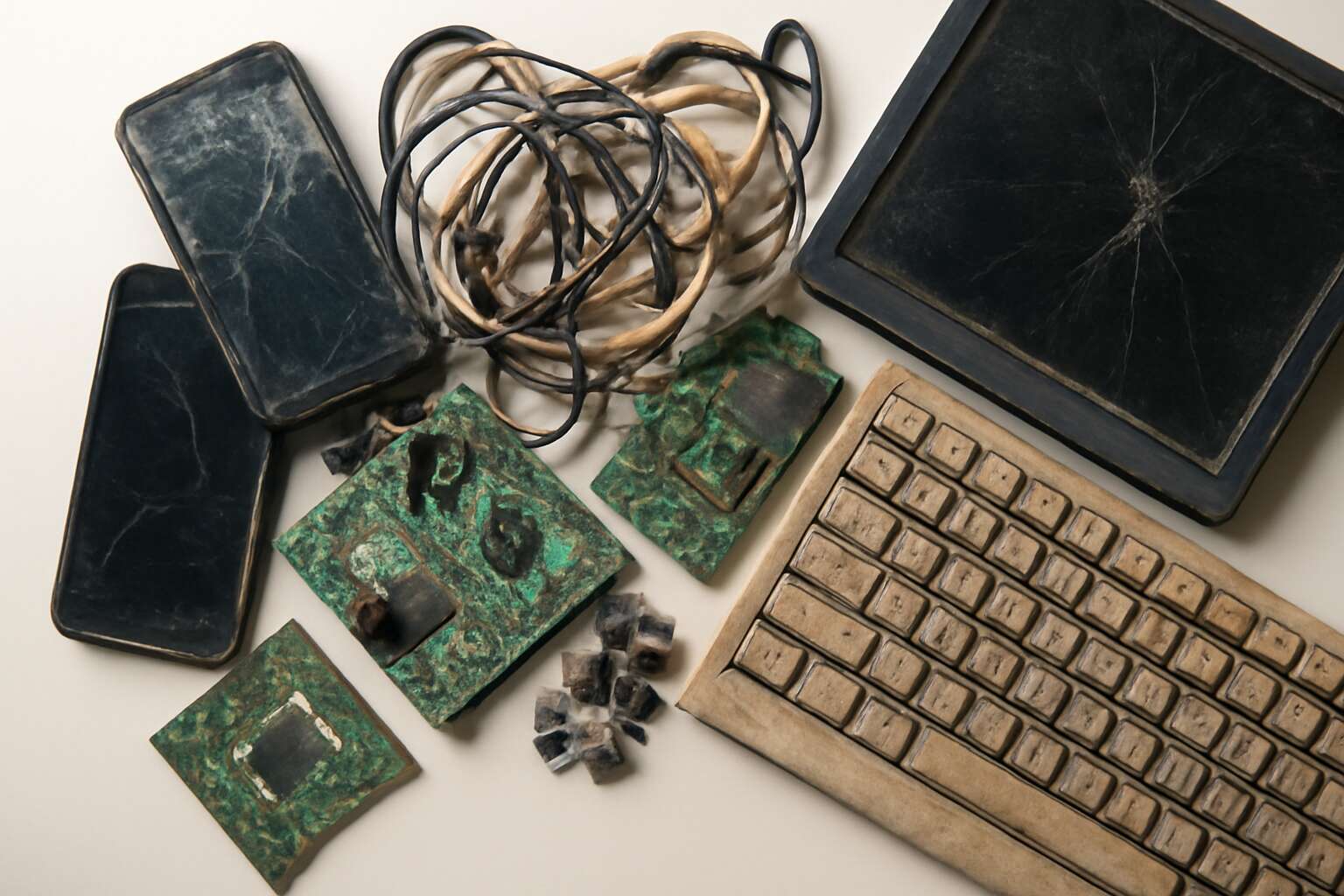
Understanding Electronic Waste: Categories and Examples
What counts as electronic waste and discarded items
Across South Africa, discarded devices accumulate in quiet corners, turning homes and offices into reservoirs of e-waste items. Globally, only about 20% of such waste is recycled, a stark reminder that memory and metal share the same fate. Understanding electronic waste means decoding what counts as waste and what holds value.
Categories span daily life and industry. The following groups organize the landscape:
- Large appliances (refrigerators, ovens)
- IT and telecommunications equipment (computers, routers)
- Consumer electronics (televisions, cameras)
- Mobile devices and accessories (phones, chargers)
- Batteries and power sources (alkaline, lithium)
- Displays and lighting (monitors, LEDs)
Examples of discarded items reveal the emotional economy of e-waste items: an aging TV, a stale monitor, a forgotten charger. In South Africa, responsible handling protects communities from hazards while exposing latent materials these devices hold.
Key categories of electronics to recycle
Across South Africa, discarded devices accumulate in corners, turning homes and offices into archives of what we once trusted. Globally, only about 20% of such waste is recycled, a stark reminder that memory and metal share the same fate. Understanding electronic waste means decoding what counts as waste and what holds value. Each forgotten gadget seems to pulse with a hidden map—glass, plastics, and minerals waiting to be awakened by stewardship and a touch of modern alchemy.
Understanding six broad groups that organize the landscape helps us imagine how to part the chests of memory without fear: the stalwart bulk of home appliances, the circuit-laden council of IT gear, the gleam of consumer electronics, the pocket-sized world of mobiles and their chargers, power sources, and radiant displays that light days. These e-waste items carry hazard and opportunity—story and substance—waiting for recovery across South Africa, where e-waste items meet new life.
Lifecycle of a device from use to disposal
Across the country, every gadget hides a second life. Globally, only about 20% of e-waste is recycled, a stark reminder that memory and metal share the same fate. Understanding electronic waste means tracing how devices become e-waste items and move toward recovery here in South Africa.
The lifecycle follows a simple arc:
- Use and retirement
- Collection and sorting
- Refurbishment or resale
- Material recovery and recycling
- Final disposal and containment
This path shows how value is unlocked as elements are separated and reintroduced into new products!
Why proper disposal matters for communities
The river of discarded screens and silicon never dries up: globally, only about 20% of e-waste is recycled, a quiet catastrophe that leaves memory and metal adrift. In South Africa, this gap haunts communities where informal dumps dot townships, seeping toxins into soil and air.
Understanding e-waste items means peering into hidden categories that hold value and peril: hazardous components that demand containment, recoverable metals ripe for reuse, and resilient plastics that outlive their makers. Within every device, copper, gold, and phosphors whisper stories of progress and risk.
- Cleaner environments and reduced health risks
- Steady, legitimate jobs for local recyclers
- Conservation of scarce resources and less virgin mining
These dynamics shape how South Africans perceive e-waste items, anchoring values to memory and material.
Top Categories of Consumer Electronics Waste
Smartphones, tablets, and accessories
Across the world, fewer than one in five e-waste items gets recycled, leaving gadgets to linger in landfills or informal dumps. In South Africa, the urban hum spills into living rooms, as smartphones, tablets, and their chargers accumulate on desks and coffee tables!
Smartphones and tablets still dominate the stream, but other devices contribute to the top categories of consumer electronics waste.
- Smartphones and tablets
- Laptops and desktops
- Televisions and monitors
- Wearables and smart devices
- Gaming consoles and set-top boxes
- Audio equipment and peripherals
- Chargers, cables and accessories
In South Africa, the story is about design choices as much as stewardship, with communities seeking safer, cleaner recycling partners and policymakers weighing the costs of proper disposal.
Computers, laptops, and peripherals
Across South Africa, the quiet clutter of old computers and peripherals reveals a louder truth: globally, only about 20% of e-waste items are recycled. The rest lurks in closets, offices, and informal dumps, turning potential resources into environmental risk.
Within this group, e-waste items such as desktops, laptops, and peripherals populate the stream. Common examples are:
- Desktop towers and all-in-one PCs
- Laptops and ultrabooks
- Monitors and display panels
- Printers, scanners, and multi-function devices
- Keyboards, mice, and hubs
- External hard drives and docking stations
- Networking gear and power adapters
In South Africa, the fate of these devices hinges on the strength of recycling networks and policy choices, intertwining design decisions with stewardship to trim risk and waste.
Household appliances and gadgets
In South African households, e-waste items accumulate with a peculiar domestic charm—a trove that once dazzled now quietly demands a higher purpose. The calculus of disposal goes beyond clutter; it maps the journey from use to resource, a narrative where every gadget hints at design, durability, and decision. Understanding these top categories helps us see how everyday life shapes waste streams in our towns and cities.
Within households, several categories dominate the heap; the following top culprits offer a snapshot of the e-waste items that travel from living room to recycling stream:
- Large home appliances
- Small kitchen devices
- Home entertainment and gaming gear
- Personal electronics and wearables
- Networking and smart-home devices
These categories illuminate the scale and flow of e-waste items across South Africa’s communities, informing both policy and practice as we tread toward smarter stewardship.
Audio, video, and gaming devices
South Africa’s living rooms quietly accumulate a different kind of glow—the glow of devices retired from service. That’s a signal we can’t ignore: millions of audio, video, and gaming devices cycle from pedestal to recycling stream each year, reminding us that consumer life is a loop of use, discard, and renewal.
- Audio gear: stereo systems, speakers, turntables
- Video devices: televisions, projectors, Blu-ray players
- Gaming gear: consoles, handhelds, VR headsets
These items contain metals, plastics, and circuits that are valuable to recover, if managed well. They also reflect shifts in lifestyle—more streaming, more portable play, more connected corners of the home. Distinguishing these categories helps communities and recyclers anticipate what streams into the waste system.
These e-waste items challenge us to rethink durability and disposal.
Wearables and sensors
Global e-waste is projected to top 70 million metric tons this decade, and wearables and sensors are a fast-growing slice. These e-waste items slip from wrists and pockets into recycling streams as lifecycles shorten and features multiply.
Top categories of consumer electronics waste in wearables and sensors include:
- Smartwatches and fitness trackers
- Medical wearables and remote monitors
- AR/VR headsets and smart glasses
- Smart clothing and embedded-sensor textiles
- Home and environmental sensors
In South Africa, local take-back programs and e-waste facilities are expanding to capture these streams, keeping circuits out of landfills and into repurposing chains!
These items carry metals, plastics, and circuits that deserve careful recovery when disposed, shaping how communities approach collection and processing.
Environmental and Health Impacts of Electronic Waste
Toxic components and hazardous materials
Globally, more than 50 million tonnes of e-waste are generated each year, and in South Africa discarded devices often end up in informal dumpsites with real health consequences. I’ve walked past open fires where plastic casings burn and fumes drift into nearby homes, a stark reminder that convenience comes at a cost!
- Lead
- Mercury
- Cadmium
- Brominated flame retardants
- Polychlorinated biphenyls (PCBs)
- Dioxins and furans
- Chromium and other heavy metals
When these toxins migrate through soil, dust, and water, children, workers, and families bear the burden—respiratory problems, neurological risks, and long-term illnesses that ripple through communities. These e-waste items remind us that the price of convenience is paid in polluted streets and precarious livelihoods.
Soil and water contamination risks
Every discarded gadget leaves a fingerprint on soil and water—I’ve seen it up close. In South Africa, e-waste items pile up in informal dumpsites, and the hidden costs seep into the land we share. Globally, more than 50 million tonnes of e-waste are generated each year, turning convenience into a political economy of pollution.
Soil and water become unwitting repositories for toxins as metals migrate beyond packaging. The consequences are quiet but relentless:
- Soil contamination from leaching metals such as lead and cadmium
- Groundwater seepage near dumpsites, threatening wells
- Dust-bound toxins that travel with wind into homes
Children, workers, and families inhale and ingest contaminated dust; groundwater pollution threatens drinking water; long-term exposure links to respiratory and neurological issues, learning difficulties, and fatigue.
As we consider our discarded devices, the price shows in the air we breathe and the wells we trust—an existential reminder that convenience carries a heavy burden.
Airborne pollutants from improper burning
A stubborn plume from improper burning of e-waste items turns private space into a public health hazard! In densely populated townships and informal dumpsites, the smoke carries dioxins, furans, and fine particulates that lodge in lungs and provoke inflammation. Chronic exposure sparks coughing, asthma, and fatigue, and long-term effects touch the brain and heart, particularly in children and workers near fires.
- Particulate matter penetrating airways
- Heavy metals in dust and fumes
- Persistent organic pollutants invading homes
For South African communities, the cost isn’t just pollution; it’s a rhythm of illness and quiet fear tied to e-waste items. The air carries a price that no convenience should demand.
Effects on workers and nearby communities
“The air tastes of copper and ash!” a worker murmurs as a pallid plume loops over a heap of e-waste items. In South Africa’s crowded townships and informal dumps, this smoke is a slow verdict on convenience. Children cough, workers tire, and the mind fogs as solvents drift through doors and windows.
The toll is both seen and unseen:
- Dust settles on soil and surfaces, carrying toxins into kitchens, schools, and rooftops.
- Smoke stains fabrics and vents, turning living spaces into quiet hazards.
- The burden falls most heavily on the young and frontline workers, who face restless nights and fatigued days.
Behind this shadow, the land and people bear the trace of discarded screens and appliances—soil, air, and memory entwined in a slow, inexorable ache.
Responsible Disposal and Recycling Options
Take-back programs and manufacturer recycling
Every year, millions of devices become e-waste. Responsible disposal starts with the options available here in South Africa: take-back programs and manufacturer recycling. Many brands run free collection drives or partner with certified recyclers, making it easier to keep hazardous components out of landfills and into a loop of reuse. The goal is simple: protect communities, recover valuable materials, and reduce the footprint! This choice helps manage e-waste items responsibly.
Take-back programs and manufacturer recycling offer clear paths to proper handling. Consider these options:
- Take-back programs at sale points
- Manufacturer recycling with certified partners
- Local drop-off centers and municipal collections
This network keeps materials circulating and reduces risk.
Choosing certified e-waste recyclers
Globally, only about 20% of e-waste is recycled, a statistic that stings as brightly as neon. In South Africa, discarded devices carry metals and memories, waiting for a second life. I’ve seen thoughtful disposal turn clutter into opportunity, binding communities to a safer landscape and a greener future.
Choosing certified e-waste recyclers matters. In our network, brands running take-back drives pair with accredited partners who guarantee responsible processing, chain-of-custody, and safe handling of hazardous components for e-waste items. The result is value reclaimed and risk kept in check, letting the cycle of reuse hum along.
- R2 or e-Stewards certification signals rigorous environmental and ethical practices
- Chain-of-custody documentation
- Data destruction safeguards
Local drop-off centres and municipal collections knit a safety net, guiding e-waste items toward responsible recycling and keeping communities and waterways protected from harm.
Data sanitization and device preparation
In a world where discarded devices glitter like fallen stars, data protection is the true treasure. Globally, only about 20% of e-waste is recycled, a statistic that stings as brightly as neon, and South Africa stands at the edge of opportunity—where careful stewardship can crown clutter with a second life for communities and ecosystems.
Data sanitization and device preparation are the quiet gatekeepers of responsible recycling. They anchor trust, protect personal memories, and align with local regulations, ensuring that the journey of every device stays on a safe and ethical path.
- Data privacy and trust as guiding principles in every action
- Safety-first device handling that respects people and the environment
- Alignment with certified recyclers and transparent chain-of-custody
With care, e-waste items transform risk into resilience, and communities breathe easier in South Africa’s shared future.
Repurposing, refurbishing, and donation routes
Globally, only about 20% of e-waste is recycled, and in South Africa every discarded device carries a second chance waiting to be unlocked. Responsible disposal keeps e-waste items out of landfills and turns clutter into community value.
Repurposing, refurbishing, and donation routes offer graceful endings for devices that still have life. Consider these avenues. These avenues matter!
- Repurpose for education and community projects
- Refurbish for reuse in offices, schools, or clinics
- Donate to trusted charities or local schools to extend usable life
When done through proper channels, these paths protect memories, honor workers, and keep precious materials circulating in the economy.
Legislation and consumer responsibilities
Across the planet, only about 20% of e-waste is recycled, a quiet reminder that e-waste items carry a second chance waiting to be welcomed back. In South Africa, responsible disposal is guided by robust legislation and trusted channels that keep materials flowing safely through the economy. The dance between policy and people ensures that memories and metals stay in circulation rather than fading into a toxic legacy.
Legislation and consumer responsibilities form the backbone of this journey. When devices exit our hands, the path they take is governed by rules that protect workers and communities alike.
- Legal frameworks mandate safe handling and transparent reporting
- Certified recyclers uphold environmental and data-sanitization standards
- Consumers contribute by choosing reputable channels and supporting take-back initiatives
In this tale, these items become chapters of renewal, not waste, and the city grows lighter with every properly managed transition.

0 Comments