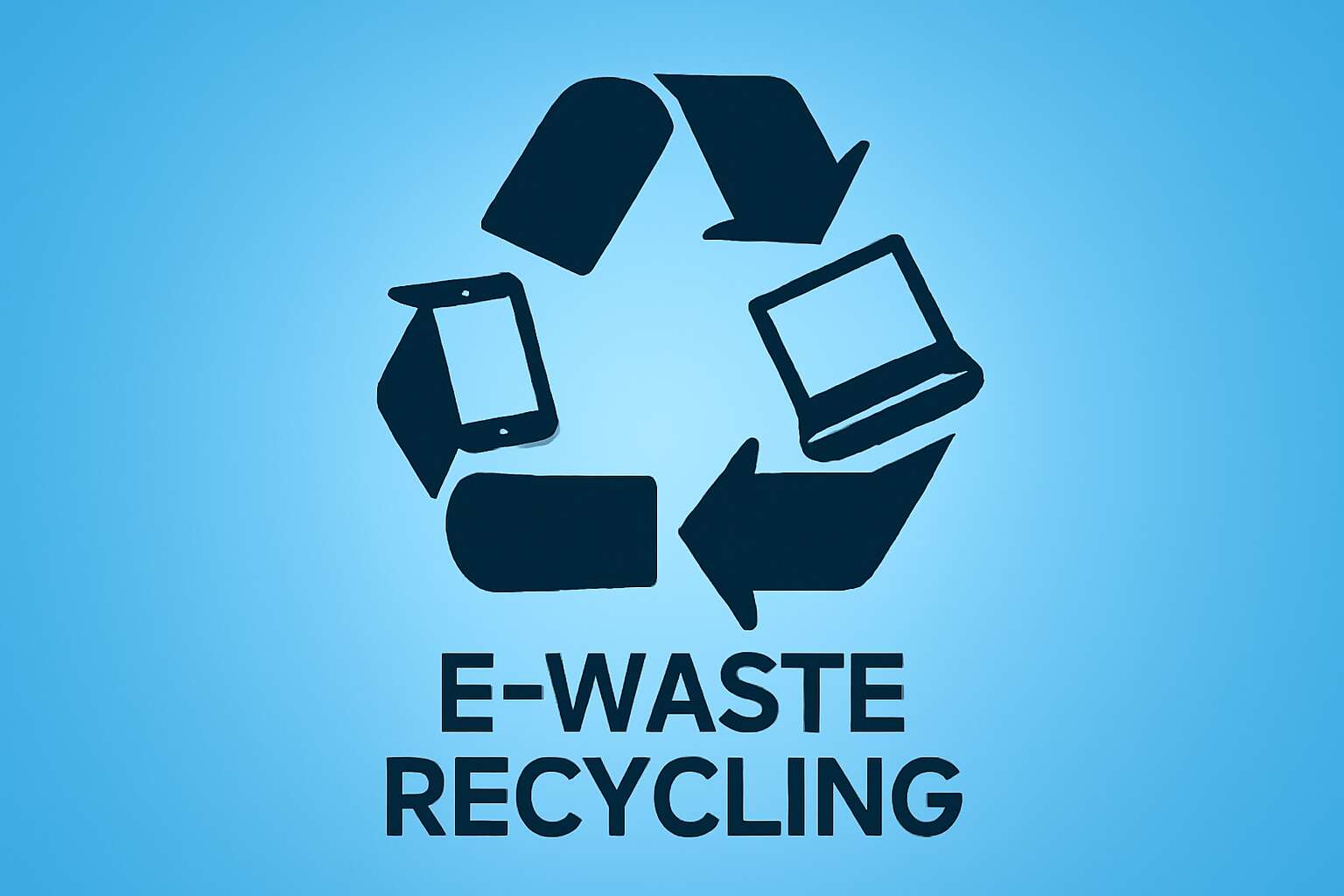
Understanding e-waste signage and its role in recycling programs
What is e-waste signage and why it matters for recycling programs
Globally, 53.6 million metric tons of e-waste were discarded in 2019—a tidal wave that none can ignore. In South Africa, the e-waste recycling sign stands as a sentinel, guiding hands toward responsible disposal and the recovery of precious resources.
A well-designed e-waste recycling sign is more than a label; it is color-coded bins, universal icons, and crisp language that translate fear of toxins into action. It anchors recycling programs by reducing contamination, accelerating sorting, and directing devices into the proper stream.
Key cues conveyed by the sign include:
- Where to deposit electronics safely
- How to separate batteries and cables for recycling
- Hazard warnings and color-coded containers
When the e-waste recycling sign speaks with clarity, the ordinary act of discarding becomes a deliberate act of stewardship, weaving South Africa’s recycling programs into a brighter future!
Key features of effective electronic waste signs
Understanding e-waste signage and its role in recycling programs reveals more than labels; it reveals intent. The e-waste recycling sign acts as a compass for responsible disposal, turning anxiety about toxins into calm, organized streams of recoverable resources.
Effective signs lean on a few enduring features that translate in the real world:
- Color-coded bins that align with universal signals
- Icons that read at a glance, even for visitors whose first language isn’t English
- Concise language designed for quick comprehension
In South Africa, multilingual considerations and clear pictograms bridge isiZulu, Afrikaans, English, and more, ensuring the message travels farther than the sign itself. A sign that combines high visibility with weather-resistant materials reduces mis-sorting and stays legible from a distance.
When signage does its job, everyday discards become acts of stewardship, not choreographed chaos.
Durability and material considerations for outdoor signage
A well-placed sign cuts mis-sorting. In busy workplaces and campuses, the impact is measurable. “Signage is the first line of responsibility,” notes a facilities manager.
Understanding e-waste signage and its role in recycling programs reveals more than labels; it’s a quiet pledge to the environment. The e-waste recycling sign acts as a compass for responsible disposal, turning worry about toxins into calm, organized streams of recoverable resources.
Durability and material considerations for outdoor signage are non-negotiable in South Africa’s sun and rain. For the e-waste recycling sign, durability matters. Choose UV-stable substrates and weatherproof inks that stay legible. Materials such as aluminium or stainless steel resist corrosion, while anti-graffiti coatings protect long-term readability.
- UV-stable substrates
- Weatherproof inks
- Anti-graffiti coatings
- Corrosion-resistant frames
Optimal placement strategies to boost visibility
South Africa’s busy workplaces run on signs. An e-waste recycling sign is more than a label; it’s a quiet pledge that redirects energy from waste to resources. In corridors and classrooms, it signals responsibility. A facilities manager once said, ‘Signage is the first line of responsibility.’ That’s why it’s so important!
Visibility hinges on how people move through space. In SA campuses and offices, signs must ride sightlines and calm the confusion around disposal.
- Sightlines and eye level
- High-traffic zones and waiting areas
- Proximity to e-waste collection points
When the e-waste recycling sign is easy to read and well placed, it turns avoidance into action, guiding staff toward compliant disposal streams. That calm, organized approach helps recycling programs deliver recoverable resources to the right outlets. Every sign matters in South Africa’s fight against toxins.
Common pitfalls and how to avoid them in waste signage
South Africa’s busiest corridors show that a single sign can redirect a tide of waste into resources. “Signage is the first line of responsibility,” a facilities manager once said, and that truth lands with impact when people pause and dispose correctly.
Understanding e-waste signage means crisp, universal messaging and smart placement. An e-waste recycling sign should be legible at a glance, use clear icons, and point staff toward proper collection points, turning small acts into meaningful recycling momentum.
Common pitfalls in waste signage include:
- Ambiguity in wording that invites second guessing.
- Poor contrast or small fonts that undermine legibility.
- Signage placed far from e-waste collection points or in low-traffic zones.
Clear signs translate into everyday choices, reinforcing SA’s ongoing fight against toxins.
Design best practices for effective e-waste signage
Typography and color choices that improve readability
Signage that lasts isn’t loud; it speaks. In e-waste signage, typography is your flashlight. Use a bold, humanist sans serif readable from a distance, even in glare. Headings around 28pt, body 14–18pt, with generous line height. Keep language sharp—every word earns its place on the e-waste recycling sign.
- Bold sans-serif, high legibility
- High contrast color for readability
- Clean layout with ample white space
Color choice is a language of safety. Use a restrained palette: one accent hue, a neutral backdrop, and predictable contrast. In South Africa’s varied light, test under sun and shade; readability should endure across environments. The right balance of type and color makes the sign memorable and trustworthy. That e-waste recycling sign sticks in the mind when readability stays flawless.
Iconography and universal symbols for electronics recycling
Across South Africa, a design that speaks softly can outlast the loudest banner. The e-waste recycling sign should glow with purpose, not gimmicks. One study notes clear signage can boost recycling participation by up to 30%. A simple visual hierarchy, generous white space, and legible type guide eye and hand!
Iconography is the bridge between languages. Use a consistent set of visuals: a universal recycle symbol, a crossed-out electronics bin, and a device silhouette or plug. These cues travel across markets, ensuring the message lands even when words fade.
- Universal recycling arrows
- Crossed-out electronics bin
- Device silhouette or plug
Maintain symbol language across sites to build recognition. In sun and shade, the e-waste recycling sign should remain calm, legible, and trustworthy—a beacon inviting care.
Choosing materials: metal, vinyl, and weatherproof options
Charisma fades; durability endures! For an e-waste recycling sign, design best practices mean more than aesthetics—it’s a foundation for compliant action. In South Africa, a sign must read quickly, hold attention under bright sun, and invite participation. The right materials keep the message steady: glassy clarity, calm tone, and a calm presence that earns trust, not glare. An effective e-waste recycling sign glows with purpose, not gimmicks!
- Metal signs that resist heat and corrosion
- Vinyl substrates with UV-stable inks for crisp, legible graphics
- Weatherproof laminates or coatings to survive rain and dust
Pair these with anti-tamper finishes and legible typography, and the sign remains a faithful guide through seasons. A weather-ready e-waste recycling sign becomes a constant in a changing landscape, a small beacon you can rely on when every second counts.
Sign size, layout, and mounting guidelines
Clarity travels faster than noise. In South Africa’s busy corridors, a well-proportioned e-waste recycling sign moves people to action. “Clarity is the courtesy we owe every reader,” a designer whispers, and the sign must prove it.
Size governs intent. For exterior visibility, aim for a bold headline around 60–90 mm in uppercase, with concise body copy set in a legible sans-serif. A tidy two-column grid keeps the message calm under sunlight; keep margins generous to avoid crowding.
- Ideal viewing distances
- Headline-to-body copy ratio
- Weather-ready typography considerations
Layout and mounting: The eye travels left to right; place the sign at a height aligned with a typical line of sight, tilt minimal to reduce glare, and mount with tamper-resistant fasteners. Use high-contrast colors that stay legible in bright sun!
In the end, the e-waste recycling sign becomes a moment of grace in a cluttered landscape, guiding hands and hearts with quiet authority.
Accessibility and inclusivity in sign design
In South Africa, millions of electronics reach end-of-life each year, and the e-waste recycling sign must cut through the noise with surgical clarity. “Clarity is the courtesy we owe every reader,” a designer notes, and the sign must prove it at a glance.
Accessibility and inclusivity aren’t add-ons but benchmarks. The following principles help signage serve a diverse audience across languages, literacy levels, and sensory needs:
- High-contrast typography with generous letter spacing
- Icons that travel across language barriers
- Readable typography at a distance with ample line height
- Multilingual cues and inclusive alternatives where possible
Designed with sun and shade in mind, the sign should rely on universal symbols and avoid clutter, ensuring the e-waste recycling sign remains a dependable beacon for responsible disposal.
Branding considerations and consistency across signs
One sign in a sea of information can act as a compass for responsible disposal, especially here in South Africa where the urban forge of devices constantly reshapes the landscape. For an e-waste recycling sign to resonate, branding must be instantly recognizable and consistently applied.
Branding considerations and consistency across signs require a living kit that travels across sites, ensuring a familiar voice from parking lot to classroom corridor.
- Standard logo lockups and color usage across all signs;
- Modular templates that adapt to different sign shapes while preserving brand cues;
- Clear language guidelines with multilingual support to maintain a consistent voice.
When signs share a single family of typography, color, and icon language, the beacon remains trusted—no matter the language or lighting condition.
Compliance, standards, and safety for electronic waste signage
Understanding applicable regulations and standards
SA’s e-waste volume is projected to double by 2030, and a single well-placed e-waste recycling sign can steer thousands toward proper channels. ‘Compliance is the backbone of a sustainable future,’ notes a seasoned South African waste manager. That insight underpins signage as the bridge between safety and legality in busy spaces!
- Adherence to the National Environmental Management: Waste Act and related regulations
- Clear, multilingual wording and universally recognizable symbols for South Africa’s diverse communities
- Durable, weather-ready construction aligned with safety signage standards
Understanding these regulations helps prevent misinterpretation and ensures the e-waste recycling sign guides accountable disposal at a glance. It isn’t just about catching the eye; it’s about guiding people to the right bins and procedures with clarity and care.
Safety sign compliance: OSHA, ANSI, and ISO references
SA’s e-waste volume is projected to double by 2030, turning every hallway into a crossroads of choice. The e-waste recycling sign acts as a compass in this surge, helping people head toward proper channels while compliance remains the backbone of a sustainable future. Adherence to the National Environmental Management: Waste Act anchors this effort in law and accountability.
Safety sign compliance draws from trusted standards:
- OSHA’s labeling and color guidelines
- ANSI Z535 series for legible, standardized signs
- ISO 7010 symbols for universal safety signaling
Designed for SA’s diverse spaces, the e-waste recycling sign should communicate clearly at a glance, weaving multilingual messages with universally understood icons. When signage honors safety, legality, and consistent branding, it becomes more than a sign—it becomes a beacon in the waste stream.
Environmental labeling and certification requirements
Across South Africa’s workplaces and public spaces, the e-waste recycling sign stands as a quiet sentinel—an anchor where safety, legality, and clarity converge. Compliance is not a dull rulebook but a living map, guiding people toward proper channels while landscapes of regulation keep pace with innovation under the Waste Act. The result is trust that travels beyond walls and into everyday decisions.
- Environmental labeling and conformity markings that align with local regulations
- Third-party certification and routine audits for sign quality
- Multilingual messaging paired with universal icons for inclusivity
When the e-waste recycling sign embodies safety, legality, and consistent branding, it becomes more than a marker; it becomes a beacon in the waste stream.
Data privacy considerations on signage when handling devices
In a world where tech debris travels faster than policy, the e-waste recycling sign acts as a quiet arbiter of responsibility. Compliance isn’t a dry cadence of rules; it’s a living lattice aligning safety, privacy, and efficiency under South Africa’s Waste Act.
Data privacy considerations on signage when handling devices are essential. Signs should guide staff without exposing personal data, and operations must respect POPIA. Use clear language and neutral visuals that prevent inadvertent data capture.
Here are privacy-forward concepts that harmonize with an e-waste recycling sign:
- Privacy-by-design as a guiding principle for signage content and placement
- Neutral imagery over personal identifiers to reduce identification risk
- Content strategy that routes sensitive information to secure channels rather than display it
- QR-linked procedures that provide access to official policies without capturing data on-site
Maintenance, audits, and documentation for compliance
“Visibility is safety,” a compliance lead reminded me—especially as devices travel from desk to disposal. The e-waste recycling sign must remain accurate, legible, and timely; otherwise it becomes a quiet hazard rather than a dependable compass. Maintenance and audits safeguard this sign, weaving safety, privacy, and efficiency into daily operations.
Regular upkeep isn’t flashy, but it matters. Aligned with site risk profiles, it keeps sightlines clear and mounting sound. The following checks should appear on every maintenance plan:
- Scheduled maintenance and visibility checks
- Documentation of updates and approvals
- Records retention and third-party audits
Audits provide accountability across locations, while documentation creates a transparent trail of decisions and actions. For the e-waste recycling sign, a centralized archive and strict change logs help teams stay aligned with standards and safety expectations.
Applications and case studies of e-waste signage in real environments
Signage in corporate campuses: offices and data centers
In South Africa’s bustling corporate campuses, a single e-waste recycling sign can do more than point the way. It acts like a beacon through cluttered halls, guiding staff and visitors with quiet authority. In one case study, its presence at offices and data centers shaved misplacement by 40% in the first quarter, while the disposal flow grew sharper and more compliant.
In real environments, outcomes include:
- Clear, consistent disposal paths that reduce guesswork
- Staff education sparked by vivid visual cues
- Cleaner separation of electronics waste streams across zones
In data centers, the signs must withstand humidity and constant movement; the e-waste recycling sign helps technicians segregate pallets and racks without slowing operations. South African facilities benefit from multilingual cues and symbols, turning signage into a silent supervisor that keeps data-prone devices away from non-recyclable debris.
Factories and e-waste streams: signage placement in production floors
Across South Africa’s production floors, an e-waste recycling sign acts as a quiet guide through the bustle, clarifying where to sort electronics and where to place non-recyclable debris. The signage helps prevent cross-contamination and speeds up routine checks during shifts.
In real factories, visibility translates to clearer disposal paths, less guesswork, and smoother onboarding for new staff.
- Receiving docks and inspection areas
- Production lines and changeover points
- Repair bays and testing stations
- Waste segregation and storage bays
Durability matters in humid, dusty environments and near busy conveyors. Signs should resist vibration and stand out with clear typography and simple symbols, supporting technicians as they segregate pallets and bins without slowing operations. In South Africa, multilingual cues broaden accessibility and ensure consistency across zones.
Universities and schools: educating students through clear signs
Across South African universities, a single e-waste recycling sign can turn busy corridors into classrooms of sustainable practice—transforming curiosity into responsible disposal.
On campuses, signs educate through real-world moments, guiding students from lecture halls to labs and into the heart of recycling culture.
- Science and engineering labs
- IT rooms and data centers corridors
- Maker spaces and student workshops
- Library and common areas
Case studies show that well-placed signs reduce confusion during orientation, improve participation in take-back programs, and become part of the campus identity.
Public venues and government facilities: engaging the community
Public spaces are habit studios, and a crisp e-waste recycling sign can turn passers-by into recyclers. In South Africa, government facilities and public venues pilot signs that guide residents to collection points at council offices, transit hubs, libraries, and museums. The result? clearer directions, less clutter, and a tangible nudge toward responsible disposal—the kind of sign that makes the right choice feel easy.
Case studies show that a well-placed e-waste recycling sign reduces confusion in public spaces and boosts participation in take-back programs, turning city centers into living classrooms.
- City halls and municipal service centers
- Public transit terminals and taxi ranks
- Libraries, museums, and parks administration offices
These placements spark community conversations and make recycling feel normal rather than heroic.
Measuring impact: KPIs and A/B testing for signage effectiveness
Three seconds—that’s the average glance a passerby gives a sign. In public spaces, the e-waste recycling sign acts as a quiet ambassador, nudging people toward responsible disposal without shouting. In South Africa, pilots show crisp cues turning curiosity into action.
Measuring impact hinges on KPIs and A/B testing. Consider these indicators:
- Visibility and dwell time in high-traffic areas
- Sorting accuracy and contamination reduction
- Uptake of local take-back programs
- Cross-location consistency
In municipal spaces—from city halls to transit hubs—these signs spark conversations and lift participation; tests comparing color schemes, icons, and wording reveal the best nudge, helping signage roll out across campuses and public spaces with clarity.




0 Comments