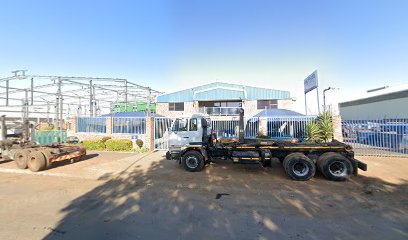
Optimum Recycling is a Recycling center establishment in Germiston, Gauteng, South Africa
Germiston
Gauteng
South Africa
E-waste Recycling and IT Asset Disposal in Germiston, Gauteng
In Germiston, Gauteng, a growing network of facilities provides environmentally responsible options for electronic waste disposal, IT asset disposal (ITAD), data destruction, and related services. These operations typically offer secure collection, compliant handling, and comprehensive reporting to support both households and businesses. The focus is on minimising environmental impact while protecting confidentiality and legal compliance throughout the lifecycle of devices from pickup to final processing.
What customers can expect includes a clear short customised intake process, safety‑driven segregation, and a choice between refurbishment or recycling depending on the device condition and practical feasibility. Refurbishment and resale may extend the useful life of viable equipment, while recycling ensures materials such as metals, plastics, and circuitry are recovered in an environmentally sound manner. Hazardous components, including certain batteries and printed circuit boards, are treated under strict procedures to prevent contamination and worker exposure.
Practically, providers in the Germiston area typically handle a broad range of items. Accepted categories often include desktops, laptops, monitors, printers and multi‑function devices, networking gear, mobile devices, office electronics, and consumer electronics. Battery recycling is an important element, along with toner cartridges and peripheral components. Some facilities offer on‑site data destruction services or secure off‑site destruction with documented chain of custody, certificates of destruction, and auditable reporting trails. Turnaround times vary by workload, item type, and whether data sanitisation or refurbishment is selected, and clear timelines are usually provided at intake.
Confidentiality and compliance are central to ITAD and data destruction offerings. Reputable providers typically implement documented processes that trace each asset from collection to final disposition, maintain a chain of custody, and provide certificates or reports confirming sanitisation, destruction, or refurbishing outcomes. Compliance with South African environmental and data protection standards is commonly highlighted, with attention to legal disposal requirements, waste classification, and reporting obligations.
Households preparing devices for recycling can follow practical steps to support safe, efficient handling, though no guarantees are offered about outcomes. Back up personal data, sign out of accounts where possible, and perform factory resets where feasible. Remove SIM and SD memory cards, and erase or remove personal content from devices before collection or drop‑off. Keep items in a clean, identifiable bundle to facilitate sorting, and remove any batteries that are removable if allowed by the collection programme. For households, understanding that some items may require diagnostic evaluation prior to processing helps set realistic expectations about timing and eligibility.
Businesses typically approach Germiston’s e‑waste services with formalised asset management practices. It is common for organisations to maintain asset registers, preserve proof of ownership, and schedule routine ITAD cycles aligned to procurement and renewal plans. Providers may offer structured reporting, including quantities processed, material recovered, and environmental impacts. For compliance, documents such as collection notices, destruction certificates, and weight‑based totals are often produced to support audits and regulatory filings. It is prudent for businesses to discuss data handling requirements, any industry‑specific safeguards, and preferred reporting formats early in the engagement.
- Accepted items: desktops, laptops, monitors, printers, networking gear, mobile devices, office equipment, accessories, and batteries (subject to programme rules).
- Collection and drop‑off: arrangements vary; discuss secure transport, on‑site collection capabilities, and scheduling.
- Sorting, refurbishment vs recycling: viable equipment may be refurbished; non‑viable items are recycled for material recovery.
- Hazardous components: batteries and certain electrical parts require special handling.
- Chain of custody and confidentiality: documented processes and destruction certificates are standard features.
- Compliance and reporting: adherence to local regulations with audit trails and certification where applicable.
- Household prep guidance: back up data, sign out of accounts, factory reset where possible, remove SIM/SD cards, and segregate items by category.
- Turnaround times: explained during intake and subject to workload and service selection.
Overall, Germiston’s environmental services emphasize responsible disposal that maximises material recovery while safeguarding data and complying with relevant laws. Through careful handling, customers can contribute to a more sustainable electronics lifecycle, ensuring that equipment is managed in a manner that protects both people and the environment.
Sorry, no records were found. Please adjust your search criteria and try again.
Sorry, unable to load the Maps API.