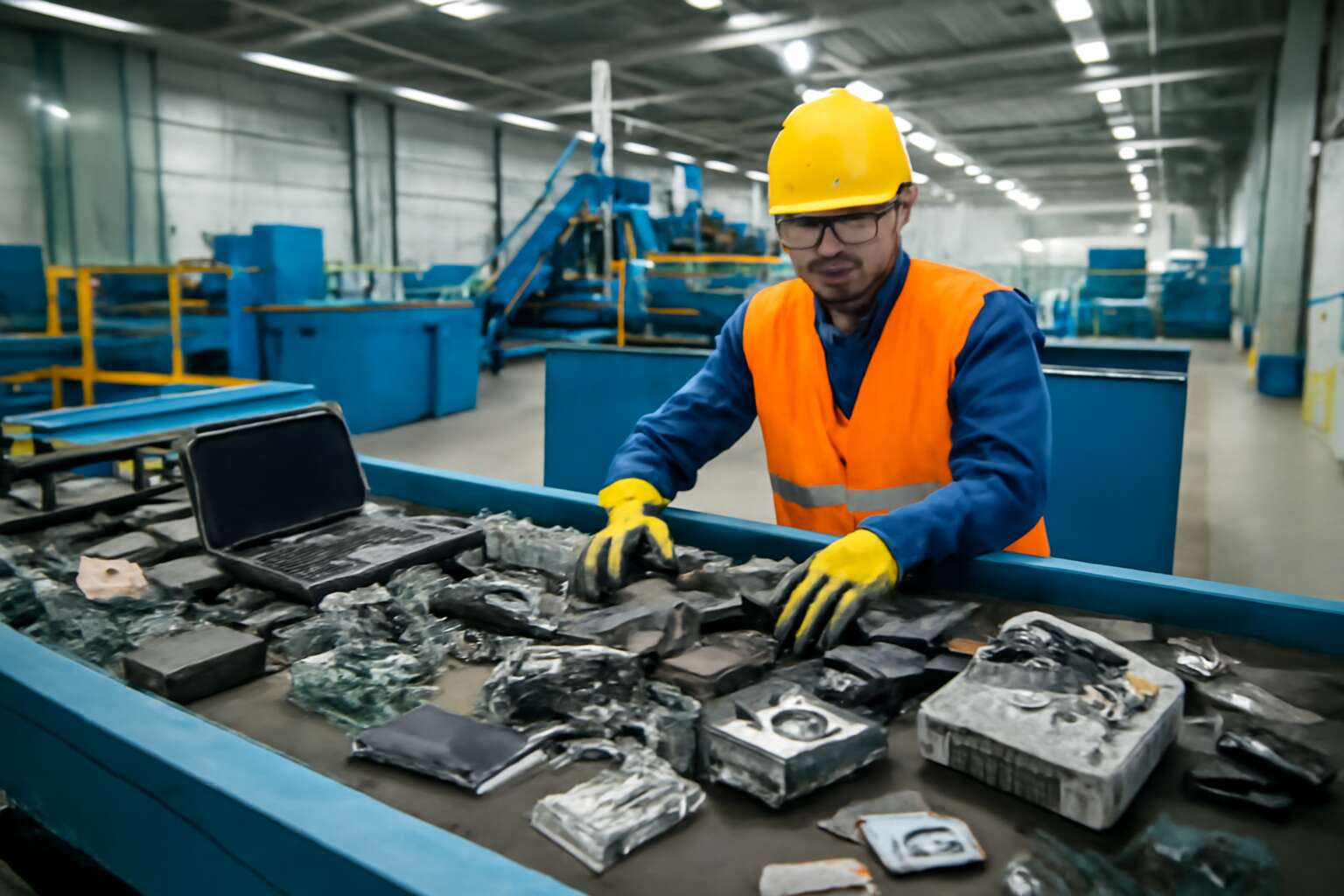
Understanding e waste recycle and its global impact
What is e waste recycle and why it matters
Across the globe, more than 50 million metric tonnes of discarded electronics demand attention each year. Understanding e waste recycle reveals how this problem becomes an opportunity, turning obsolete devices into resources rather than refuse. In South Africa, communities from Cape Town to Gauteng imagine cleaner rivers and safer land through smarter recovery.
When metals, plastics and circuit boards are reclaimed, pollution drops, energy use shrinks, and the circular economy takes root. The ripple extends beyond borders, influencing manufacturers, recyclers, and policy—even in evolving African economies where proper stewardship translates into measurable social benefits.
- Cleaner environments and safer communities
- Conservation of finite minerals and reduced mining pressure
- New jobs in repair, refurbishment, and compliant collection
In South Africa, embracing responsible e waste recycle practices reshapes industries, guards health, and fuels a resilient economy.
Key components of e waste recycle processes
Across the world, the mountain of discarded electronics grows heavier each year—approximately 50 million metric tonnes and rising. The arc of e waste recycle is not a grim tally but a turning key, transforming refuse into raw materials, energy saved, and communities shielded from harm. In South Africa, this metamorphosis threads through Cape Town’s docks to Johannesburg’s workshops, whispering a future where waste becomes work and wastefulness a memory. The right processes lower pollution, safeguard health, and unlock a circular economy.
Key components of the recycling processes include:
- Safe intake and sorting of devices
- Disassembly and material separation
- Recovery and refining of metals, plastics and circuit boards
From data sanitization to end-market reuse, these steps stitch global impact into local practice, turning forgotten cartons into potential and power!
Global trends in electronic waste generation
Across the globe, the mountain of discarded electronics sits at roughly 50 million metric tonnes and still rising. I witness a turning point in e waste recycle—a chance to transform refuse into raw materials, cut energy demand, and shield communities from exposure, if systems are tightened and pragmatic.
Global trends press the volume higher: rapid device turnover, expanding urban centers, and broader access to affordable tech drive growth. Yet formal and informal networks are maturing, improving collection and material recovery. In South Africa, this translates to Cape Town’s docks and Johannesburg’s workshops becoming visible testbeds.
Global currents shaping today include:
- Rapid device turnover and broader electronics access
- Formal and informal networks for collection and material recovery
- Policy shifts driving producer responsibility and safer processing
In South Africa, these currents ripple through ports and workshops, turning waste streams into quiet engines of local resilience.
Environmental and health benefits of proper e waste recycle
In a world of rapid gadget turnover, the global tide of discarded electronics climbs toward 50 million metric tonnes each year, a figure that both awakens and weighs on us. Through thoughtful e waste recycle, refuse becomes raw material, and waste becomes wealth!
Proper e waste recycle slows the leaching of toxins into soil and water, protects air quality, and preserves finite resources for future generations.
- Reduced contamination protects communities
- Materials are recovered and reused
- Energy is saved versus virgin extraction
In South Africa, formal and informal networks gather at ports and workshops, offering resilience while curbing illegal dumping. Cape Town’s docks and Johannesburg’s workshops stand as luminous testbeds.
This is the graceful tension between ingenuity and care that defines our era.
Common myths about e waste recycle
More than 50 million metric tonnes of electronics are discarded each year, enough to fill countless landfills. e waste recycle turns waste into resources, cutting pollution while recovering metals, plastics, and glass. In South Africa, formal and informal networks at ports and workshops keep waste moving to productive ends, strengthening local resilience.
- Myth: e waste recycle is only for big brands. Reality: households and small businesses can participate.
- Myth: all e-waste is highly toxic. Reality: proper recycling minimizes risk.
- Myth: recycling is unprofitable. Reality: metals and plastics create value.
- Myth: shipping waste abroad solves the problem. Reality: local, compliant processing protects people.
Globally, progress depends on clear policy, responsible consumer choices, and robust networks that turn discarded devices into legitimate resources—something South Africa is increasingly building.
Best practices in e waste recycle program implementation
Setting up an e waste recycle program for organizations
Global e-waste is projected to reach 74.7 million tonnes by 2030, a clarion call that reverberates through boardrooms and neighborhoods alike. In South Africa, setting up an e waste recycle program is more than compliance—it is a pledge to protect health, jobs, and the beauty of a future unburdened by discarded devices. A well-curated program treats devices as resources, data as trust, and people as partners in a cleaner narrative.
- Clear governance tied to local laws
- Robust data sanitization and asset tagging
- Certified recyclers with auditable take-back
These pillars keep a program resilient, compliant, and elegant—turning the act of disposal into an aspirational practice that nourishes teams, communities, and the wider economy.
This is how e waste recycle becomes a living ethos.
Compliance and regulatory considerations for e waste recycle
Best practices in an e waste recycle program start with clear ownership, measurable goals, and lifecycle thinking. In South Africa, the aim isn’t merely compliance; it’s resilience that respects people and the planet. A well-run e waste recycle effort treats devices as resources and data as trust, guiding teams toward consistent, ethical disposal.
Key practices include:
- Governance aligned to local laws and internal policy, with transparent decision rights
- Robust data sanitization and precise asset tagging to protect trust
- Auditable take-back arrangements with certified recyclers and verifiable chain-of-custody
Compliance and regulatory considerations for e waste recycle must cover South Africa’s Waste Act frameworks, POPIA for data privacy, and Basel Convention obligations for cross-border movement. Audits, reporting, and partner certifications help keep programs credible within the local landscape.
These pillars keep the practice principled and aspirational, harmonizing environmental responsibility with business integrity across the nation.
Collection transport and storage best practices
Global e waste recycle now tops 50 million tonnes annually, a figure that dwarfs many nations’ waste streams—and in South Africa, the call to respond with resilience is louder than ever. Devices move from desks to depots and onward to recyclers, and the journey should feel like a trust well kept. Collection, transport, and storage are not mere logistics; they are a choreography that respects people, data, and the planet. The aim is a smooth, resilient flow that minimizes risk while elevating resource recovery and ethical disposal. Let’s do this with purpose!
Within this frame, a few guiding considerations anchor practical execution.
- Clear, auditable collection points at every site
- Transport that preserves integrity with tamper-evident packaging
- Storage that is secure, climate-conscious, and access-controlled
Partnerships with certified e-waste recyclers
Best practices in e waste recycle program implementation hinge on partnerships built on trust and certification. In South Africa, collaborate with recyclers who hold credible accreditations, ensuring data sanitization, regulatory compliance, and transparent reporting. A resilient program embeds governance, traceability, and ethical disposal at every stage, from collection to recovery.
- Clear criteria for recycler certification and ongoing audits.
- Robust chain-of-custody with tamper-evident documentation.
- Defined service expectations for data sanitization, reporting, and transport.
- Ongoing performance reviews and optimization of partnerships for maximum resource recovery.
This framework aligns with South Africa’s regulatory landscape, elevating transparency from intake to end-of-life recovery. It becomes a shared mission—protecting data, empowering communities, and logging ethical impact in every approved transfer.
Measuring success and impact of e waste recycle programs
South Africa’s e waste recycle ambitions run high, but the real proof hides in the numbers. A credible program measures governance, data sanitization, and transparent reporting from intake to recovery. The result is a resilient loop that protects sensitive information and earns community trust. When partnerships rest on certification and clear service expectations, the process becomes ethical, not reckless.
Measuring success means precise metrics and honest audits. Dashboards should surface leakage, recovery, and the integrity of the chain of custody.
- Volume diverted from landfills
- Data sanitization accuracy checks
- End-to-end traceability records
In South Africa, this approach elevates transparency across the lifecycle and makes e waste recycle credible.
E-waste recycling technologies and processes
Mechanical and separation methods used in e waste recycle
Dark labs hum as the quiet chorus of machines begins. The craft of e waste recycle reveals what lies buried in discarded devices, turning rust and resin into usable memory for tomorrow. The process is patient, almost ceremonial, coaxing value from shattered shells of our daily tech.
Mechanical and separation methods are the moonlit gears of this transformation. Shredding fractures the device; separators pull metals; optical sorting and sensors discriminate plastics from glass.
- Shredding and comminution
- Magnetic and eddy-current separation
- Optical sorting and sensor-based detection
- Hydrometallurgical pre-concentration
South Africa’s corridors of industry demand safety and efficiency; these flows turn waste into resource while guarding communities.
Material recovery: metals, plastics, and glass
Global e-waste totals hover around 53 million metric tons each year, a staggering echo of our devices’ obsolescence. In South Africa, the journey from discarded gadgets to usable resource is a moral map as much as a supply-chain. e waste recycle is more than a phrase; it’s material alchemy turning rust into memory.
Emerging approaches bypass the old drum of shredding. Using hydrometallurgy and targeted pre-concentration to pull metals from complex mixes, plastics and glass follow gentler paths—chemical recycling and stabilized compounding reclaim feedstock for new screens and housings, while reducing emissions and energy demand.
Material recovery streams include:
- Metals (copper, gold, palladium)
- Plastics (recycled thermoplastics)
- Glass (display glass, cullet)
In South Africa, structured flows keep communities safe and create local value, not waste.
Hazardous components handling and safety in e waste recycle
Global e-waste totals hover around 53 million metric tons each year—a staggering echo of our devices’ obsolescence. Here in South Africa, that tide is a moral map and a supply chain opportunity. e waste recycle, properly harnessed, turns rust into memory and keeps local value streams humming!
Emerging approaches bypass the old drum of shredding. Several technologies stand out:
- Hydrometallurgy and targeted pre-concentration pull copper, gold, and palladium from complex mixes with less energy than traditional smelting
- Chemical recycling and stabilized compounding reclaim feedstock from plastics and display glass
- Reclaimed glass cullet and recycled thermoplastics underpin new screens and housings
Hazardous components handling and safety demand disciplined practice: sealed containment for lead, mercury, cadmium, and PCBs; ventilation; PPE; monitoring, spill kits, and drills. I’ve seen South Africa’s regulatory framework guide protection from collection to disposal, and it works.
Emerging technologies in e-waste processing
Globally, 53 million metric tons of e waste recycle pour into landfills each year, yet in South Africa that tide can map opportunity. The next wave turns discarded electronics into local jobs and resilient value chains, turning obsolescence into community strength.
Emerging approaches move beyond shredding into precision recovery. Hydrometallurgy-honed methods pull copper, gold, and palladium with far less energy than smelting, while chemical recycling stabilizes feedstocks from plastics and display glass. These routes cut emissions, boost material purity, and open doors for local supply chains.
- Hydrometallurgy and targeted pre-concentration for metals
- Chemical recycling and stabilized compounding for plastics and glass
- Reclaimed glass cullet and recycled thermoplastics in new enclosures
The result is a resilient loop for e waste recycle—where communities see value, jobs grow, and responsible stewardship becomes the norm.
Consumer guidance and responsible disposal of electronics
How individuals can participate in e waste recycle
Worldwide, more than 50 million tonnes of e-waste are generated each year, and only a fraction is properly recycled. Here in South Africa, I’ve seen how small choices add up: selecting certified recyclers, demanding clear data-wipe assurances, and treating disposal as a civic duty. When we view old devices as resources rather than refuse, the e waste recycle system serves communities, workers, and the environment alike!
Here are practical steps you can take to participate in responsible disposal.
- Find a registered e-waste recycler or local collection point and verify certification.
- Wipe data, back up what you need, and remove SIM cards or SD cards before handing devices in.
- Separate batteries and other hazardous components and follow local disposal guidelines for those items.
- Consider repair, donation, or resale for devices that still work, to extend their life.
Data security and device disposal best practices
Across the globe, over 50 million tonnes of e-waste are generated annually, a mountain of gadgets awaiting new lives. In SA, data persists beyond deletion; encryption helps, but a thorough data-destruction policy is essential.
To navigate responsibly, align with partners who publish clear data destruction standards, seek independent verification, and demand transparent disposal tracking.
- Certified recyclers with documented data-destruction policies
- Proof of secure wipe and disposal traceability
- Repair, donation, or resale to preserve value
- Adherence to local hazardous-material guidelines in SA
This is at heart the ethos of e waste recycle—treating devices as resources rather than refuse. By aligning with these principles, privacy remains intact, and communities benefit from safer, cleaner electronics lifecycles.
Where to drop off and how to choose an authorized center
Across the globe, more than 50 million tonnes of e-waste surge into the world’s shadows each year, a mountain of devices waiting for a second life. In South Africa, data can linger beyond simple deletion; encryption helps, yet a robust data-destruction policy remains essential. The call to e waste recycle is a quiet, relentless vow: treat gadgets as resources, not refuse, and shepherd their journeys toward reuse and safe recovery.
- Look for centers that provide clear, verifiable disposal records and a traceable chain of custody for your devices
- Prefer facilities that publish independent assessments and maintain transparent reporting on material recovery
- Choose partners that prioritize value preservation through repair, donation, or resale, while adhering to local hazardous-material guidelines
When in doubt, ask for evidence of compliance and independent verification—your confidence is part of the process, and your community benefits from safer electronics lifecycles.
Common scams and how to avoid them in e waste recycling
South Africa faces a tide of devices ending up in the wrong places, but responsible disposal can turn the tide. Globally, more than 50 million tonnes of e-waste reach shadows each year, reminding us that every gadget deserves a second life. In e waste recycle, transparency is the compass.
When selecting partners, demand clear disposal records and a traceable chain of custody. Favor recyclers who publish independent assessments and transparent material-recovery reporting. Seek programs that add value through repair, donation, or resale, all while following local hazardous-material guidelines.
- Phantom buyback offers with hidden fees or upfront payments
- Data-wiping services that won’t share certificates or verification
- Recyclers lacking certification moving waste to overseas facilities
To guard yourself, request certificates, verify compliance with NEMWA and POPIA, and insist on auditable destruction logs.
Your due diligence protects your organization and communities, turning e waste recycle into a journey rather than a risky gamble.
Take-back programs and incentives for consumers
More than 50 million tonnes of e-waste reach the shadows each year. That figure is a wake-up call, but consumers can steer the outcome. Through responsible take-back programs, South Africans turn waste into resource and extend a gadget’s life. e waste recycle is more than a slogan—it’s a loop that protects communities and jobs.
Choose programs backed by brands you trust. Look for clear disposal records, transparent material-recovery reporting, and alignment with local safety guidelines. When devices find a second life through repair, donation, or resale, that keeps value in the economy and poisons out of the environment.
Small choices matter.


0 Comments