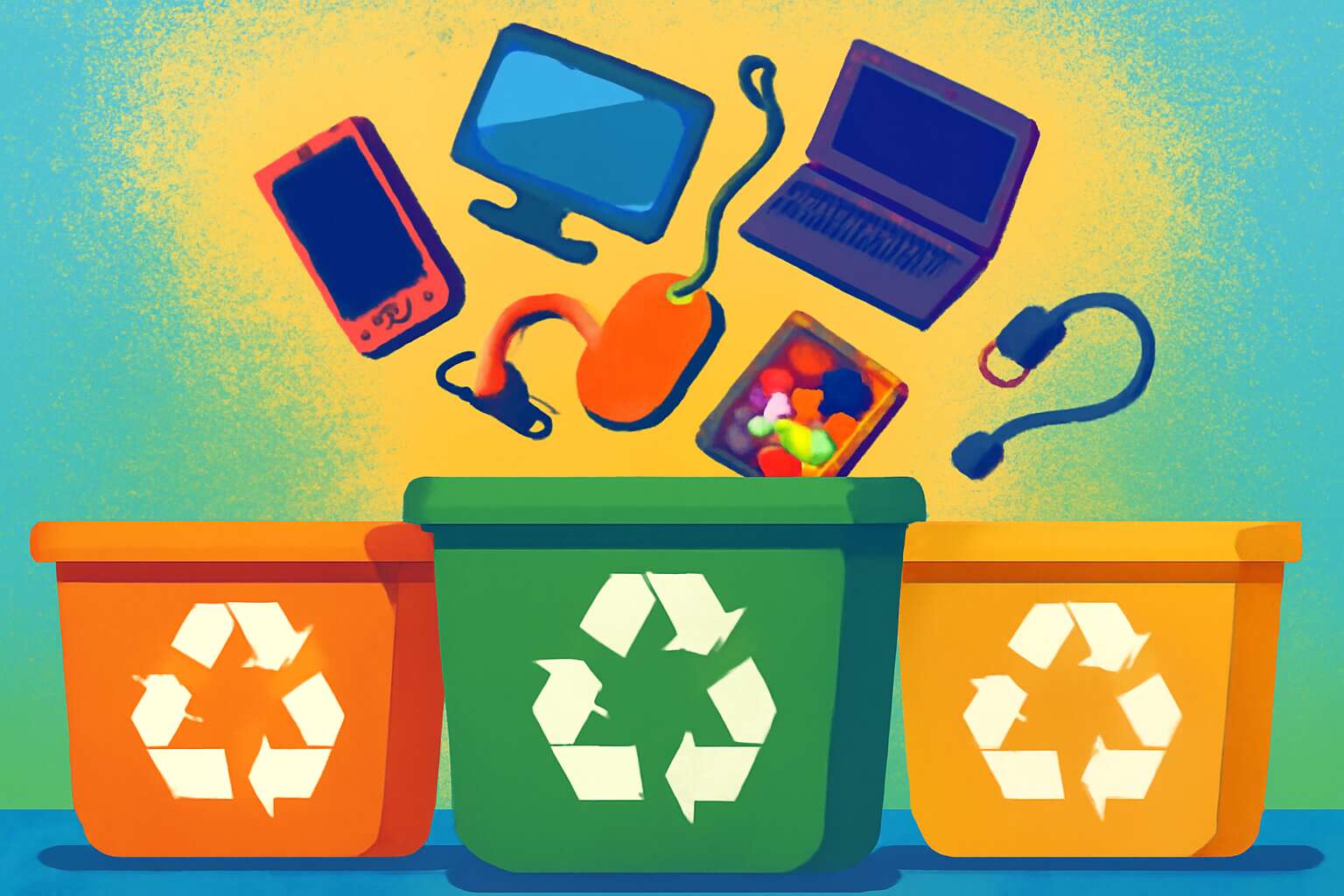
Understanding E-Waste and Its Environmental Impact
Definition of E-Waste – Overview of electronic waste and types of electronic devices discarded
Electronic waste, or e-waste, is a rapidly growing environmental concern, with global e-waste volumes reaching an estimated 53.6 million tonnes in 2019 alone. It encompasses discarded devices such as smartphones, computers, televisions, and household appliances. These items, although seemingly obsolete, contain a complex mix of materials—metals, plastics, and hazardous substances—that pose serious threats to the environment if not managed properly.
Understanding e-waste is crucial to tackling its impact. Improper disposal releases toxic chemicals into the soil and water, endangering ecosystems and human health alike. The challenge lies in the vast array of electronic devices that are discarded every year, each with unique components requiring specialised handling. To visualise this, consider an e waste management gif that illustrates the lifecycle of electronic waste and highlights sustainable recycling practices.
Efficient e waste management not only reduces environmental harm but also promotes the recovery of valuable materials. Recognising the scope and complexity of e-waste is the first step towards fostering responsible disposal and recycling habits, ensuring a cleaner planet for future generations.
Environmental Hazards of Improper E-Waste Disposal – Toxic substances released into soil, water, and air
Every year, millions of tonnes of electronic waste are dumped worldwide, often ending up in landfills or informal recycling sites. Improper e-waste disposal releases a cascade of toxic substances that threaten both ecosystems and public health. Heavy metals like lead, mercury, and cadmium seep into the soil and water, contaminating drinking sources and harming wildlife. Airborne toxins from burning electronic components can also cause respiratory issues and long-term health problems for communities nearby.
An effective way to grasp the gravity of this issue is through a well-crafted e waste management gif. Such visuals illustrate the journey of electronic waste from disposal to recycling, highlighting the environmental hazards associated with neglect. They can also showcase sustainable practices, such as safe recycling and material recovery, which are crucial for reducing environmental harm.
- Unregulated disposal methods
- Health risks to workers handling e-waste without proper protection
<li Toxic chemicals leaching into the environment
Understanding these hazards underscores the importance of responsible e waste management. Without proper handling, the environmental and health consequences become irreversible, demanding urgent attention from industry leaders and policymakers alike.
Global E-Waste Statistics and Trends – Current data and future projections on e-waste generation
In a world where gadgets seem to multiply faster than rabbits, e-waste generation is skyrocketing—by an estimated 53.6 million tonnes globally in 2022 alone. This relentless surge underscores the critical need for effective e waste management gif visuals that can vividly illustrate the mounting crisis. As technology evolves at a dizzying pace, so does the volume of discarded electronic devices, ranging from smartphones to large household appliances. Forecasts suggest that by 2030, e-waste could reach a staggering 74 million tonnes annually, making it imperative to understand the environmental impact of these electronic relics.
A well-designed e waste management gif acts as a compelling visual narrative of this escalating dilemma. It not only highlights the alarming growth trends but also underscores the importance of responsible disposal practices. The shift towards more sustainable e-waste handling is essential to mitigate the release of toxic substances into our soil, water, and air. By showcasing current data and future projections, these gifs serve as an eye-opener—reminding us that the way we manage electronic waste today shapes the health of our planet tomorrow.
The Role of Visual Content in E-Waste Management Awareness
Importance of Visuals in Environmental Campaigns – How images and GIFs enhance understanding and engagement
Visual content, especially in the form of e waste management gif, plays a pivotal role in raising awareness about electronic waste. Moving beyond static images, animated GIFs can vividly demonstrate the journey of e-waste—from disposal to recycling—making complex processes accessible and memorable. These visuals serve as powerful tools to bridge knowledge gaps, helping viewers understand the importance of responsible e waste management.
In environmental campaigns, the impact of visuals cannot be overstated. They capture attention, evoke emotional responses, and foster a sense of urgency among audiences. Incorporating e waste management gif into campaigns transforms dry data into compelling narratives, encouraging more active participation. For instance, animated sequences showing the harmful effects of improper disposal can leave a lasting impression, motivating individuals and organisations to act responsibly. Ultimately, engaging visuals make the invisible dangers of e-waste visible, driving home the importance of sustainable practices in a way words alone cannot.
Using GIFs to Demonstrate E-Waste Recycling Processes – Visual representation of collection, sorting, and recycling steps
In the intricate dance of environmental consciousness, visual content—particularly e waste management gif—has emerged as an invaluable instrument in shaping awareness. These dynamic visual representations transcend mere aesthetics; they serve as cognitive anchors, illustrating the lifecycle of electronic waste with compelling clarity. Animated sequences that depict collection, sorting, and recycling processes transform abstract concepts into tangible realities, fostering a profound understanding of responsible e waste management.
For organisations seeking to illuminate the often-invisible journey of e-waste, a well-crafted e waste management gif can be transformative. They vividly showcase how discarded devices are collected, meticulously sorted, and processed through specialised recycling techniques. Such animations not only demystify complex procedures but also evoke an emotional response—reminding viewers of the environmental toll of neglect. This visual storytelling engenders a visceral connection, inspiring both individual responsibility and organisational accountability in managing electronic waste sustainably.
Impact of GIFs on Public Behavior and Education – Encouraging responsible disposal through compelling visuals
In a world inundated with electronic devices, visual content like an e waste management gif holds the power to turn cluttered chaos into crystal-clear clarity. With electronic waste projected to reach a staggering 74 million tonnes annually by 2030, capturing attention through compelling visuals isn’t just clever—it’s crucial. GIFs, with their ability to animate complex processes, serve as digital storytellers that cut through the noise and deliver key messages with punchy precision.
Research shows that people are far more likely to remember a vivid image or animation than a dry statistic. An effective e waste management gif can subtly influence public behaviour by illustrating responsible disposal methods, recycling steps, and the environmental consequences of neglect. It’s like a mini documentary—only punchier, more engaging, and infinitely shareable. By leveraging these animations, organisations can foster a visceral understanding of the lifecycle of electronic waste, transforming viewers from passive onlookers into eco-conscious advocates.
Furthermore, the emotional impact of a well-crafted e waste management gif shouldn’t be underestimated. These animations evoke empathy and responsibility, making the invisible journey of discarded devices visible and real. For individuals and organisations alike, this kind of visual storytelling isn’t just informative; it’s transformative, nudging society closer to sustainable electronic waste management practices.
Creating Effective E-Waste Management GIFs
Design Principles for Educational GIFs – Clarity, brevity, and visual appeal
Crafting an e waste management gif that captivates and educates is an art rooted in clarity, brevity, and visual allure. In the realm of environmental storytelling, GIFs must serve as luminous bridges—guiding viewers seamlessly through complex processes without overwhelming them. Each frame should distil intricate recycling steps into digestible visuals, transforming technical jargon into simple, captivating imagery.
To achieve this, consider employing a harmonious colour palette and intuitive symbols that resonate universally. The design principles for effective educational GIFs hinge on the ability to communicate vast concepts within seconds, making brevity not just a virtue but a necessity. When animated with precision, an e waste management gif can inspire awareness and responsible behaviour—turning passive viewers into active stewards of our planet.
Remember, the secret lies in balancing form and function: a visually appealing layout paired with clear, concise messaging. This delicate dance ensures that each gif becomes a powerful tool—an enchanting glimpse into the vital world of e waste management that leaves a lasting impression on all who watch.
Content Ideas for E-Waste Management GIFs – Step-by-step recycling process, do’s and don’ts, before-and-after recycling images
Crafting an effective e waste management gif requires a careful balance of clarity, simplicity, and visual appeal. These GIFs act as powerful tools to demystify complex recycling processes, transforming technical procedures into engaging visuals that resonate with viewers. A well-designed e waste management gif can vividly illustrate each step—from collection and sorting to recycling—making the entire process understandable at a glance.
One effective content idea is to showcase a step-by-step recycling process. For example, an animated sequence can detail how electronic waste is collected, dismantled, and processed for reuse. Incorporating before-and-after images can also highlight the transformative power of responsible e waste disposal, inspiring viewers to participate actively in environmental stewardship. Remember, using intuitive symbols and a harmonious colour palette enhances comprehension and keeps viewers engaged.
In addition, including clear do’s and don’ts—such as emphasizing proper disposal methods—can reinforce responsible behaviours. An e waste management gif that employs visual storytelling not only educates but also motivates responsible e-waste disposal. After all, concise and captivating visuals are essential for turning passive viewers into active advocates for sustainable electronics recycling!
Technical Tips for GIF Production – Tools, duration, file size, and resolution considerations
Creating an effective e waste management gif requires attention to technical details that ensure clarity and engagement. The production process begins with selecting appropriate tools—software like Adobe After Effects or GIF makers such as Giphy or Canva can streamline the process. Optimising the duration, typically between 3 to 10 seconds, helps maintain viewer interest without sacrificing essential information. Additionally, file size should be kept below 1MB for quick loading times, especially on mobile devices, while maintaining high resolution for visual clarity.
When designing your e waste management gif, consider the resolution—aim for at least 720p to ensure crisp visuals. Using a consistent colour palette and simple animations enhances comprehension and keeps the message focused. To optimise the animation flow, plan out each frame carefully, ensuring that transitions are smooth and that the sequence logically illustrates each step of the recycling process.
- Define the key steps to highlight in your gif—such as collection, dismantling, and recycling.
- Keep the animation brief but comprehensive to maintain viewer engagement.
- Test the gif across devices and platforms to ensure compatibility and visual consistency.
Ultimately, a well-crafted e waste management gif balances technical precision with visual storytelling, making complex processes accessible and prompting responsible e waste disposal. By paying close attention to tools, duration, file size, and resolution, you can create compelling visuals that elevate your environmental messaging and foster sustainable habits.
Examples of Impactful E-Waste Management GIFs
Case Studies of Successful Campaigns – Brands and organizations effectively using GIFs
Impactful e waste management gif campaigns have transformed public perception and behaviour around electronic waste. For instance, some brands have utilised compelling animated GIFs to demonstrate the hazardous effects of improper disposal, making the message both visual and memorable. One notable example is a campaign that used a looping GIF showing toxic substances seeping into water sources, effectively raising awareness about environmental hazards.
Many successful initiatives leverage these visual tools to communicate complex recycling processes simply. These e waste management gif examples often depict steps from collection to recycling, making the entire process transparent and accessible. Such visual storytelling can significantly influence responsible disposal practices.
Here are a few reasons why these GIFs resonate well:
- They combine motion and clarity, making messages stick.
- They are easily shareable across social platforms, expanding reach.
- The brevity of GIFs ensures quick understanding without information overload.
When executed thoughtfully, e waste management gif campaigns can shift attitudes and promote sustainable electronic waste management practices.
Analysis of Popular E-Waste GIFs – What makes them effective and shareable
Impactful e waste management gif examples demonstrate how visual storytelling can effectively raise awareness about electronic waste. These GIFs often feature vivid animations that highlight the dangers of improper disposal, such as toxic substances seeping into water sources. Their ability to combine motion and clarity makes complex messages easy to grasp instantly.
What sets these GIFs apart is their shareability. They are designed to be easily circulated across social media platforms, amplifying their reach. Short and engaging, e waste management gif examples often depict the recycling process step-by-step, making it accessible to a broad audience.
- Clear visual cues that communicate the recycling journey
- Impactful imagery that evokes emotional responses
- Simplicity that enhances memorability
These qualities make e waste management gif a powerful tool for transforming public perception and encouraging responsible disposal practices. When done thoughtfully, these GIFs can inspire meaningful change and foster sustainable habits.
User Engagement Metrics – Measuring reach and impact of GIF-based campaigns
In the realm of digital activism, the reach of a single e waste management gif can be astonishing. When crafted with precision and purpose, these animated visual stories transcend language barriers, capturing the imagination of a global audience. The true measure of their influence lies in user engagement metrics, which serve as vital indicators of campaign success. Metrics such as shares, likes, comments, and view counts reveal how effectively these gifs resonate with viewers and inspire action.
By analysing these indicators, organisations can gauge the impact of their e waste management gif campaigns and refine their messaging strategies accordingly. For instance, a surge in shares often signifies that the visual content has struck a chord, prompting viewers to advocate for responsible disposal practices within their communities. Additionally, high view durations and positive interactions suggest that complex recycling processes are being communicated clearly and memorably. This blend of art and science ensures that visual storytelling continues to be a potent force in fostering sustainable habits across diverse demographics.
Sharing and Distributing E-Waste Management GIFs
Best Platforms for E-Waste GIF Campaigns – Social media channels, websites, email newsletters
Sharing and distributing e waste management GIFs across the right platforms can significantly amplify awareness campaigns. Social media channels such as Facebook, Twitter, and Instagram offer dynamic environments where visually compelling e waste management GIFs can go viral, reaching diverse audiences quickly. Websites dedicated to environmental causes or recycling initiatives serve as ideal hubs for embedding these impactful visuals, fostering deeper engagement among visitors.
Email newsletters also play a vital role in targeted dissemination, allowing organisations to deliver tailored content directly to stakeholders interested in sustainability. To maximise impact, campaigns should focus on platforms with high engagement potential, ensuring the e waste management gif resonates with viewers and inspires responsible behaviour.
A well-rounded strategy might include a combination of these channels, leveraging their unique strengths to elevate the message of e-waste recycling and responsible disposal. By strategically sharing via these optimal platforms, environmental advocates can turn static facts into compelling visual stories that motivate change.
Strategies for Maximizing Reach – Timing, hashtags, collaboration with eco-influencers
In the bustling world of digital activism, timing and strategic sharing can turn a simple e waste management gif into a catalyst for real change. The key lies in understanding when your audience is most receptive — mornings when people scroll through their feeds or during environmental awareness days when interest peaks. Synchronising your gif dissemination with these moments ensures your message resonates deeply, sparking conversations that matter.
Harnessing the power of hashtags is equally vital. Thoughtfully chosen tags like #EWasteRecycling or #EcoResponsibility can significantly boost visibility, connecting your gif with a broader community committed to sustainability. Collaboration with eco-influencers, those passionate advocates with dedicated followings, can amplify the reach exponentially. Their endorsement lends authenticity and a personal touch that static facts rarely achieve.
To maximise engagement, consider a multi-platform approach. Distributing your e waste management gif across social media, embedding it within environmental blogs, and including it in targeted email campaigns creates a cohesive narrative. An effective strategy might involve an ordered sequence: first teasing the message on Instagram, then sharing detailed stories on Facebook, and finally reinforcing the call to action through specialised newsletters. This layered approach ensures your visual story of responsible e-waste disposal touches different audiences at just the right moment.
Legal and Ethical Considerations – Copyright, consent, and respectful messaging
Sharing an e waste management gif might seem straightforward, but navigating the legal and ethical landscape requires finesse. The digital realm is fraught with pitfalls; copyright infringement can undermine even the most well-intentioned campaigns. It’s essential to ensure you have proper consent before distributing any visual content. Respectful messaging is equally critical—avoid sensationalism or fear-mongering that could alienate your audience or diminish your credibility.
To avoid unintentional missteps, consider implementing a simple checklist:
- Verify copyright ownership or utilise royalty-free visuals
- Obtain explicit permission from creators or rights holders
- Align messaging with respectful, factual representations of e-waste issues
By adhering to these principles, your e waste management gif can serve as a powerful educational tool without crossing ethical boundaries. Remember, transparency and respect foster trust—cornerstones of effective environmental advocacy in the digital age.

0 Comments