BLOEM RECYCLING (PTY) LTD is a Recycling center establishment in Bloemfontein, Free State, South Africa
Bloemfontein
Free State
South Africa
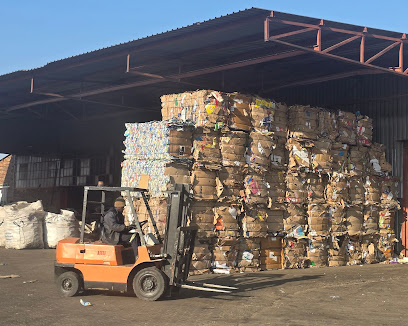
E-waste recycling and IT asset disposal services in Bloemfontein, Free State
In Bloemfontein, businesses and households alike can access a range of environmentally responsible options for electronics disposal, IT asset disposition (ITAD), data destruction, and secure collection. Local providers typically cover the full lifecycle of electronic equipment, from collection and sorting to refurbishment, resale and responsible recycling. The emphasis is on minimising environmental impact while ensuring data protection and regulatory compliance.
Key service areas include e-waste recycling, batteries and battery recycling, printer and cartridge recycling, and the refurbishment and reuse of viable devices. Collection programmes often offer secure, auditable collection and transit methods, with strict handling practices for hazardous components such as batteries, capacitors and other substances. For items that cannot be reused, proper recycling channels are used to recover materials in an environmentally sound manner, with attention to the correct separation of components at the point of intake.
ITAD and data destruction are frequently integrated services. Organisations may require a documented chain of custody, confidential data sanitisation, and evidence of destruction. Providers may offer on-site or off-site data destruction, with reporting that confirms completion and, where appropriate, certificates or receipts for compliance purposes. Turnaround times vary with volume, inventory complexity, and the logistics of collection, but clear timelines are typically provided after intake and assessment.
Refurbishment and reuse form a practical pathway for many items. Functional devices may be refurbished and prepared for resale or donation, subject to assessment of performance and data sanitisation. Equipment deemed unsuitable for reuse is moved into recycling streams that recover materials such as metals and plastics. This balance between refurbishment and recycling supports extended producer responsibility principles and aims to maximise resource efficiency.
Households and businesses should expect guidance on accepted items, which commonly include computers, laptops, monitors, printers, networking equipment, mobile devices, batteries and various peripherals. Some programmes accept end-of-life batteries, while others direct customers to specific drop-off points due to hazardous regulations. Clear instructions regarding preparation, packaging, and safe transport are typically provided to avoid damage and contain risks during handling.
Practical considerations for customers include arranging secure collection or convenient drop-off, understanding sorting requirements at intake, and recognising the difference between refurbishable units and those destined for recycling. Financial arrangements may involve fees for specialised transport or hazardous components handling, although many programmes aim for cost-effective or free disposal for households and business recipients.
Compliance with local environmental and data protection regulations is a central theme. Service providers commonly reference available documentation such as disposal certificates, environmental compliance records, and, where applicable, independent verifications of processing and data sanitisation. Householders should back up critical data, sign out of cloud accounts, perform factory resets, and remove SIM and SD cards prior to deposit, while organisations are advised to coordinate asset recovery, inventory reconciliation, and verified reporting for audits.
In Bloemfontein, the range of services supports both small household collections and larger corporate undertakings. The focus remains on responsible disposal, reduced landfill burden, and transparent reporting, enabling stakeholders to meet sustainability targets while safeguarding information, preserving resource value, and pursuing lawful end-of-life management of electronic equipment.
- Accepted items generally include computers, laptops, monitors, networking gear, printers, mobile devices, and batteries.
- Options typically cover secure collection, drop-off points, sorting, refurbishment or recycling, and material recovery.
- Confidential data handling and chain-of-custody documentation are standard features where required.
- Preparation guidance commonly recommends backups, sign-outs, factory resets, and removal of SIM/SD cards, without guaranteeing data removal beyond the stated service scope.
- Turnaround times depend on volume and logistics, with clear timelines provided after assessment.
Sorry, no records were found. Please adjust your search criteria and try again.
Sorry, unable to load the Maps API.