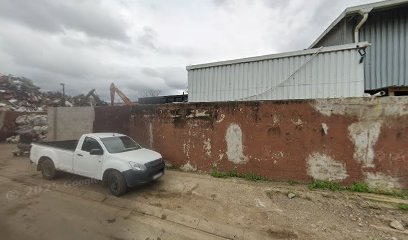
AFRO INDIA RECYCLERS is a Scrap metal dealer establishment in Isipingo Rail, KwaZulu-Natal, South Africa
Isipingo Rail
KwaZulu-Natal
South Africa
E-waste recycling and IT asset disposal services in Isipingo Rail, KwaZulu-Natal
In Isipingo Rail and the surrounding KwaZulu-Natal region, residents and organisations can access a range of environmentally responsible services for e-waste recycling, electronics disposal, IT asset disposal (ITAD), data destruction, and secure collection. Local operators typically provide a combination of drop-off facilities, scheduled or on-demand collection, and managed refurbishment programmes designed to reduce landfill waste while protecting commercial and personal data.
Typical services focus on safely processing a variety of electronic items, including obsolete computers, servers, networking gear, printers, consumables, and household devices. The emphasis is placed on distinguishing between refurbishment and recycling: refurbished devices may be resold or donated where feasible, while non-repairable items are responsibly recycled to recover materials and minimise environmental impact. Collection services often feature secure chain of custody procedures, documented throughout the handling process to satisfy regulatory and client requirements.
Businesses can expect guidance on compliant IT asset disposal, including data destruction, asset tracking, and reporting. Many providers can issue certificates of destruction or disposal, complemented by records of itemised inventories and recovery rates. Confidentiality is a common priority, with documented processes for sanitising or erasing data prior to refurbishment or recycling, and secure containers or crates for pre-collection storage.
Households commonly access convenient drop-off points and occasional curbside or on-site collection for electronics waste. Accepted items may include obsolete computers and peripherals, mobile devices, printers, monitors, batteries, and smaller appliances. Sorting guidance is generally provided on-site or via pre-collection instructions to optimise recycling outcomes and minimise contamination in the recycling stream.
Practical considerations include whether items are suitable for refurbishment (functional but ageing) or should be sent directly for material recovery. Hazardous components such as old batteries, CRTs, and certain capacitors require appropriate handling and segregation. Recyclers in the area typically comply with local environmental legislation and national guidelines for hazardous waste management, ensuring safe storage, transport, and processing.
Turnaround times vary by site, workload, and the scale of the collection. Some operations offer same-day or next-day service for smaller volumes, while larger ITAD projects may require scheduled pickups and detailed planning. Transparent reporting helps organisations monitor progress, calculate environmental impact, and verify compliance against internal or regulatory standards.
For households preparing devices for recycling, practical steps include backing up data where feasible, signing out of accounts, performing factory resets, and removing SIM cards and SD cards. For businesses, it is prudent to inventory devices, securely erase data, segregate sensitive equipment, and coordinate with the service provider to align collection schedules with IT refresh cycles and business continuity plans.
Environmental responsibility underpins these services, with emphasis on reducing waste, recovering usable materials, and ensuring responsible disposal of hazardous components. Reuse and refurbishment are encouraged where viable, helping extend the lifecycle of electronics while lowering the overall environmental footprint. Providers often publish compliance statements, process descriptions, and guidance notes to assist customers in understanding obligations, governance, and reporting requirements.
Overall, Isipingo Rail-based e-waste services aim to deliver secure, compliant, and efficient disposal solutions for both households and businesses. By choosing reputable operators with clear documentation, customers can manage e-waste responsibly, benefit from transparent processes, and contribute to local environmental stewardship.
- Common service types: e-waste recycling, ITAD, data destruction, secure collection, refurbishment, and recycling of batteries, printers, and cartridges.
- Key considerations: accepted items, sorting, chain of custody, certificates of destruction, reporting, and turnaround times.
- Practical guidance: prepare devices by backing up data, signing out of accounts, factory reset, and removing SIM/SD cards where appropriate.
Sorry, no records were found. Please adjust your search criteria and try again.
Sorry, unable to load the Maps API.