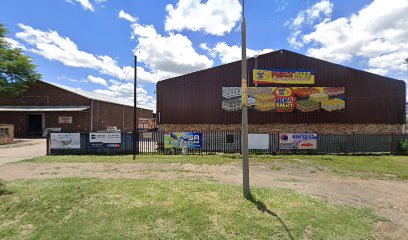
RUSTENBURG METAL RECYCLERS is a Recycling center establishment in Rustenburg, North West, South Africa
Rustenburg
North West
South Africa
E-waste Recycling and IT Asset Disposal Services in Rustenburg, North West
Across Rustenburg and the North West region of South Africa, facilities specialising in e-waste recycling offer a range of services designed to manage electronics responsibly from collection to final disposition. The focus is on environmentally sound disposal, data protection, and the ethical refurbishment and reuse of viable devices. Clients may encounter a combination of electronics disposal, IT asset disposal (ITAD), data destruction, secure collection, and careful handling of hazardous components within a compliant framework.
Typical offerings include secure collection and bulk pickup for businesses, government bodies, schools, and households. These services are complemented by accredited data destruction procedures, with options for on-site or off-site data sanitisation that preserve confidentiality and demonstrate a clear chain of custody. Reputable providers commonly document destruction outcomes through reporting and certificates, supporting regulatory and contractual obligations. Environmental stewardship is a central objective, with attention to minimising landfill and maximising reuse where feasible.
The scope of ITAD encompasses the lifecycle from device intake to refurbishment or recycling. Refurbishment and reuse programmes aim to extend device life through testing, component replacement, and software updates, reducing waste while maintaining performance standards. When devices are beyond repair or no longer fit for practical use, secure recycling channels ensure materials are recovered responsibly. Battery recycling is emphasised for lithium-ion and other hazardous battery chemistries, with proper separation, transport, and eventual disposal under applicable safety rules.
Printer and cartridge recycling forms a distinct strand, addressing toners, ink cartridges, and peripheral hardware. This helps recover plastics and metals while complying with environmental regulations. In addition, many providers offer environmentally responsible disposal services that cover mixed electronics, cables, and accessories, with attention to safe handling of potentially hazardous components such as batteries, capacitors, and refrigerants where present.
What to expect as a customer
- Clear intake procedures: items are typically documented, weighed, and categorised to determine the appropriate treatment path—refurbishment, recycling, or safe destruction.
- Sorting and containment: facilities implement secure containment to prevent data leakage and cross-contamination during processing.
- Turnaround times: timelines vary by volume, service level, and whether on-site collection is chosen; customers should obtain preliminary estimates and progress updates.
- Compliance: providers adhere to local and national regulations governing e-waste, data protection, and hazardous waste, with documentation to support compliance audits.
- Confidentiality: many clients require confidentiality assurances; demanufacturing and data destruction procedures are designed to protect sensitive information.
- Reporting: post-service reporting, including destruction certificates or asset disposal receipts, helps demonstrate responsible management and audit readiness.
Practical guidance for households and businesses
Before disposal, households and businesses should back up important data and sign out of cloud accounts or services as appropriate. Devices should be prepared by performing a factory reset where feasible and removing SIM and SD cards. For businesses, an organised inventory with serial numbers and asset details supports documentation and traceability. It is prudent to consult the service provider about any specific preparation requirements and to confirm whether certain items require special handling due to hazardous components.
In Rustenburg, customers should look for providers that emphasise transparent handling practices, secure collection options, and clear reporting. Compliance with local environmental and data protection standards is essential, along with the availability of appropriate certifications and audit-ready records. By focusing on responsible refurbishment and recycling, households and organisations can contribute to sustainable waste management while protecting information and reducing environmental impact.
Sorry, no records were found. Please adjust your search criteria and try again.
Sorry, unable to load the Maps API.